When analyzing the digital footprint of Canadian actor Aaron Ashmore, one finds a fascinating contrast between his highly recognizable television roles and his understated, grounded social media presence. Best known to sci-fi and fantasy fans for his memorable stints on hit genre shows, Ashmore's approach to personal branding is decidedly old-school. In this pros, cons, and critical review, we break down how the Smallville and Locke & Key star presents himself online, evaluating the strengths and weaknesses of his digital identity. Whether you are an aspiring actor, a creative professional, or simply looking to refine your own Instagram bio, there are valuable lessons to be drawn from Ashmore's profile.
The Television Career That Built His Fanbase
Before critiquing his digital presence, it is essential to understand the foundation of his personal brand. According to his comprehensive filmography on IMDb, Aaron Ashmore first captured mainstream attention playing Jimmy Olsen in the iconic superhero series Smallville. Unlike his twin brother Shawn, who leaned heavily into superhero franchises, Aaron carved out a distinct niche in science fiction and cult television.
His portrayal of Steve Jinks in Syfy's Warehouse 13 showcased his comedic timing and dramatic depth, earning him a dedicated fandom. He followed this with the space-opera adventure Killjoys, playing the lovable rogue Johnny Jaqobis, and later took on the mysterious Duncan Locke in Netflix's Locke & Key. As noted in past interviews with Syfy Wire regarding his convention experiences, this extensive genre resume means Ashmore has a built-in, highly engaged audience. However, as we will see in our critical review, his social media strategy does not always fully capitalize on this built-in fandom.
Quick Facts: Aaron Ashmore Profile
| Attribute | Details |
|---|---|
| Full Name | Aaron Richard Ashmore |
| Born | October 7, 1979 (Richmond, British Columbia, Canada) |
| Nationality | Canadian |
| Known For | Smallville, Warehouse 13, Killjoys, Locke & Key |
| @aaronashmore | |
| X (Twitter) | @aaronashmore |
Social Media Presence: A Critical Review
To properly evaluate his online identity, we must look at the pros and cons of how he utilizes platforms like Instagram and X to connect with his audience.
The Pros: Authenticity and Fan Engagement
The greatest strength of Ashmore's social media presence is its unfiltered authenticity. In an era where celebrity feeds are heavily curated and managed by PR teams, Ashmore's Instagram feels like a genuine digital scrapbook.
- Family-First Branding: He frequently shares moments with his wife, Zoë, and their children. This grounds his public persona, making him relatable and approachable. For fans who have followed him since his early days, seeing his evolution into a dedicated family man adds a layer of parasocial warmth.
- Genre Convention Culture: Ashmore understands his core demographic. He regularly posts behind-the-scenes photos from sci-fi conventions, reunions with Warehouse 13 co-stars like Eddie McClintock, and Killjoys cast memories. This keeps his core fandom engaged and shows appreciation for the genre community that supports working actors.
- Unpretentious Tone: His captions are typically straightforward, humorous, and free of the overly polished influencer speak. This aligns perfectly with the blue-collar, hardworking reputation he has cultivated in the Canadian film and television industry.
The Cons: Missed Branding Opportunities
Despite the charm of his authentic approach, a critical review reveals several areas where his personal branding falls short, particularly for users looking to maximize their digital real estate.
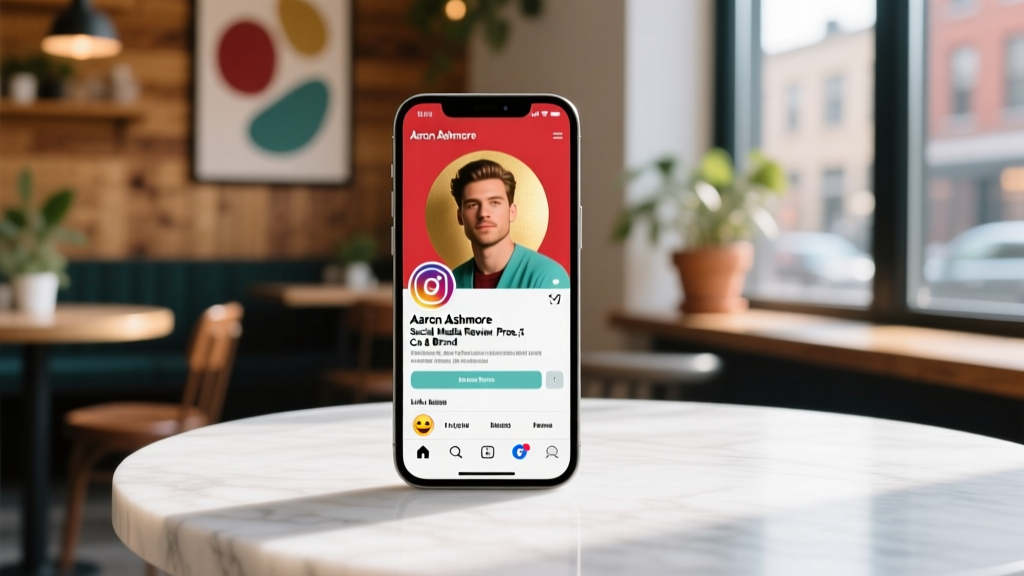
- The Bare-Bones Bio: On Instagram, a bio is your digital elevator pitch. Ashmore's bio has historically been minimal, often relying on simple emojis or brief management contact info. While this is common for established actors, it is a missed opportunity. A well-crafted bio could bridge the gap between his professional credits and his personal life, perhaps using a clever tagline that nods to his sci-fi legacy while highlighting his current projects.
- Inconsistent Visual Grid: From a purely aesthetic standpoint, his Instagram grid lacks a cohesive visual theme. While a chaotic grid can signal authenticity, it can also make a profile look neglected. Alternating between high-res professional headshots, blurry convention selfies, and family photos without a unifying color palette makes the profile feel more like a private camera roll than a public-facing brand.
- Underutilizing Link-in-Bio Tools: For a working actor with dozens of credits, a static link to an IMDB page or a generic agency email is insufficient. Utilizing a Linktree or similar landing page to highlight current streaming projects, podcast appearances, or charity work would drastically improve user experience and drive meaningful traffic.
Personal Branding Takeaways for Your Bio
What can you learn from the pros and cons of Aaron Ashmore's digital footprint? Here is how you can apply these insights to your own social media strategy:
1. Balance the Professional and the Personal
Ashmore succeeds in showing his human side, which builds trust and affinity. If you are building a personal brand, do not be afraid to let your audience see the person behind the profession. Use your Instagram grid to mix professional milestones with genuine, behind-the-scenes moments.
2. Optimize Your Bio Text
Unlike the minimalist approach seen on many celebrity profiles, your bio needs to work hard for you. Use the lovemebio.com strategy: State who you are, what you do, and include a unique hook. If you are an actor or creative, mention your most recognizable work, but add a personal quirk. (e.g., 'Sci-Fi Survivor | Actor | Coffee Enthusiast | Rep'd by [Agency]').
3. Leverage Your Niche Community
Ashmore's engagement with the sci-fi convention circuit is a masterclass in niche community building. Identify your specific niche and speak directly to that community. Share industry-specific inside jokes, attend virtual or physical events, and tag your collaborators to boost your profile's discoverability.
4. Curate a Cohesive Aesthetic
While you do not need a heavily filtered grid, establishing a baseline visual consistency helps. Choose two or three core colors or a specific style of photography that ties your posts together. This makes your profile instantly recognizable when a new visitor lands on your page.
5. Tell a Story with Your Highlights
Ashmore's convention posts serve as excellent, impromptu story highlights. On your own profile, use Instagram Highlights to categorize your life and work. Create dedicated folders for 'On Set', 'Family', 'Travel', and 'Press'. This allows new visitors to binge your best content and immediately understand the multifaceted nature of your personal brand without having to scroll through years of grid posts.
Final Verdict on His Digital Footprint
In our critical review, Aaron Ashmore's social media presence scores high on authenticity and relatability, but lower on strategic personal branding. He operates like a traditional working actor who views social media as a casual communication tool rather than a marketing engine.
For his established fanbase, this laid-back approach is more than enough. They get genuine glimpses into his life and appreciate his ongoing love for the genre projects that made him famous. However, for those looking to build a scalable personal brand or pivot into new industries, Ashmore's profile serves as a cautionary tale about underutilizing your bio and digital assets.
It is also worth noting that the digital landscape is constantly shifting. What works for a veteran actor with a deeply entrenched fanbase might not work for an emerging talent. Ashmore has earned the right to be casual because his body of work speaks for itself. When evaluating your own profile, ask yourself if your offline resume is strong enough to support a laid-back online presence. If not, it is time to roll up your sleeves and optimize.
Ultimately, your social media profile should reflect your goals. If your goal is casual connection, take a page from Ashmore's book and keep it real. If your goal is growth, networking, and opportunity, you need to optimize your bio, curate your grid, and treat your digital presence with the same professionalism you bring to your craft.