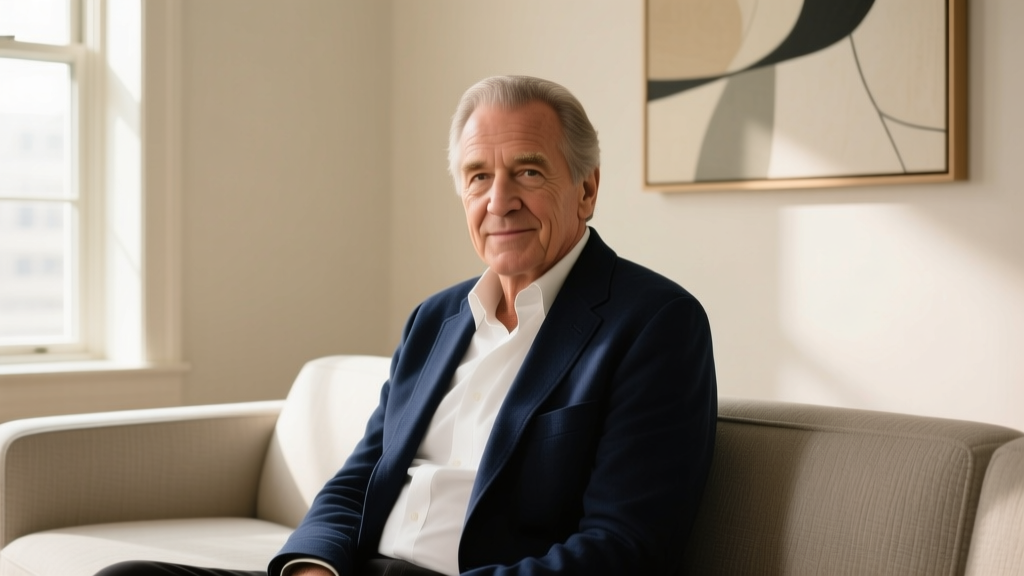
When analyzing the digital footprint of a Hollywood veteran, the name Bruce Davison immediately presents a fascinating case study. With a career spanning over five decades, Davison represents a bygone era of character acting where the work itself served as the primary brand identity. Unlike modern celebrities who curate hyper-personal Instagram feeds, Davison's approach to public visibility offers a masterclass in mystique and professional longevity. This critical review examines the pros, cons, and personal branding takeaways from the digital presence of Bruce Davison, providing actionable lessons for your own social media profiles.
Quick Facts: The Bruce Davison Profile
| Attribute | Details |
|---|---|
| Full Name | Bruce Allen Davison |
| Born | June 28, 1946 (Philadelphia, PA) |
| Nationality | American |
| Known For | Willard, Longtime Companion, X-Men |
| Social Media Handles | Minimalist / Relies on IMDb & Convention Networks |
Career Highlights & Theatrical Foundation
Bruce Davison's career is a testament to versatility and endurance. He burst onto the scene in 1971 with the cult horror classic Willard, establishing himself as a compelling leading man. However, it was his transition into complex, emotionally layered character roles that cemented his legacy. His performance as David in the groundbreaking 1989 film Longtime Companion earned him an Academy Award nomination for Best Supporting Actor, a Golden Globe win, and critical acclaim that forever anchored his brand in prestige cinema.
In the 2000s, Davison introduced himself to a new generation of blockbuster audiences as the villainous Senator Robert Kelly in the X-Men franchise. This pivot demonstrated a crucial branding lesson: adaptability. By moving seamlessly between indie darlings, Broadway stages, and massive comic-book franchises, Davison ensured his "brand" was never boxed into a single genre. His filmography reads like a curated portfolio of a working actor who values the craft over the celebrity.
Bruce Davison's Digital Presence: Pros and Cons
If you search for Bruce Davison on Instagram or X (formerly Twitter), you will not find a verified, daily-vlogging account with millions of followers. Instead, his digital footprint is largely managed by third-party databases, fan wikis, and convention organizers. Let us break down the pros and cons of this "anti-influencer" strategy.
The Pros of Digital Minimalism
- Unblemished Mystique: By refusing to overshare his daily meals or political hot takes, Davison maintains an aura of classic Hollywood mystique. His brand is untarnished by the inevitable controversies that plague highly active celebrity accounts.
- Work-First Narrative: When fans search for him, they are immediately directed to his body of work—his IMDb page, his Rotten Tomatoes scores, and his theatrical credits. The narrative is entirely focused on his professional achievements rather than his personal life.
- Longevity and Relevance: Trends on TikTok and Instagram fade in weeks. A filmography built over 50 years is evergreen. Davison's digital presence is anchored to permanent cultural artifacts rather than fleeting algorithms.
The Cons of a Low-Profile Strategy
- Lack of Direct Fan Engagement: Without a personal social media channel, Davison misses the opportunity to interact directly with younger demographics or cultivate a dedicated online community outside of physical comic conventions.
- Reliance on Third-Party Bios: When you do not control your own digital bio, you are at the mercy of whoever writes your Wikipedia or IMDb summary. Inaccuracies or outdated information can linger without an official channel to correct them.
- Missed Monetization Avenues: Modern actors leverage their social media bios to launch production companies, promote indie passion projects, or drive traffic to personal merchandising. A minimalist approach leaves these direct-to-consumer opportunities on the table.
Critical Review: The "Character Actor" Branding Strategy
From a critical branding perspective, Bruce Davison represents the ultimate "Character Actor" archetype. In the personal branding world, there is a distinct difference between being an "Influencer" and an "Authority." Influencers sell their lifestyle; Authorities sell their expertise. Davison is undeniably an authority.
His digital footprint functions much like a high-end corporate portfolio. He does not need to convince the public of his relevance through viral dances; his casting directors and peers validate him through continuous employment in high-profile projects. Furthermore, his presence on the Comic-Con circuit serves as his offline social media. By showing up for fans in person, signing autographs, and participating in panels, he generates organic, user-generated content. Fans post the photos and tag his name, effectively managing his social media presence for him while he maintains his privacy. This is a brilliant, albeit passive, form of reputation management that relies entirely on the goodwill and admiration of his audience.
Personal Branding Takeaways for Your Own Bio
What can the everyday professional, creator, or entrepreneur learn from the digital restraint of Bruce Davison? Here are actionable takeaways to elevate your own Instagram, LinkedIn, or personal website bio.
1. The "IMDb Approach" to Your Bio
Notice how Davison's biography is essentially a list of credits, awards, and milestones. Strip the fluff from your own social media bios. Instead of using generic quotes or excessive emojis, list your hard achievements. Use your Instagram or LinkedIn bio to highlight your "greatest hits"—the companies you have built, the awards you have won, or the specific problems you solve. Let your resume do the talking.
2. Cultivate Mystique Through Restraint
In an era of oversharing, privacy is a luxury brand asset. You do not need to document every hour of your day to build a personal brand. Curate your feed to showcase only your highest-quality work and most meaningful milestones. When you post less frequently but with higher impact, your audience learns to value your updates rather than scrolling past them.
3. Optimize Your Third-Party Footprint
Because Davison does not run a massive personal PR machine, his IMDb and Wikipedia pages do the heavy lifting. Audit your own third-party presence. What comes up when someone Googles your name? Ensure your LinkedIn, Crunchbase, guest podcast appearances, and industry directories are updated, consistent, and linked back to your primary social channels. Control the narrative by optimizing the platforms you do not directly own.
4. Prioritize High-Value Offline Interactions
Davison connects with his core audience through conventions and live events. Translate this to your own branding by prioritizing high-value networking, speaking engagements, or intimate community gatherings over chasing mass, low-intent followers online. A hundred loyal community members who know your actual work are infinitely more valuable than ten thousand passive scrollers.