When evaluating the most impactful personal brands in sports history, Althea Gibson stands as a masterclass in quiet power and undeniable excellence. Long before the era of curated Instagram grids, viral TikTok sponsorships, and athlete-led media companies, Gibson forged a path through the deeply segregated world of 1950s tennis. For modern athletes, creators, and professionals, analyzing Gibson's historical brand offers a fascinating comparison to today's social media alternatives. Should you build a brand on vocal activism and constant digital engagement, or adopt the Gibson alternative of dignified elegance and letting your achievements speak for themselves? In this deep dive, we break down the legacy of Althea Gibson, compare her historical PR strategy to modern branding alternatives, and extract actionable personal branding takeaways for your own digital profiles.
Quick Facts: The Trailblazer's Profile
| Attribute | Details |
|---|---|
| Full Name | Althea Neale Gibson |
| Born | August 25, 1927 (Silver, South Carolina) |
| Nationality | American |
| Known For | First African American to win a Grand Slam tennis title |
| Primary Sports | Tennis, Professional Golf (LPGA) |
| Social Media Handles | Legacy managed via @usta, @wta, and institutional archives |
Career Highlights: Shattering the Grass Ceiling
To understand the weight of the Althea Gibson personal brand, one must understand the sheer magnitude of her career highlights. Her brand was not built on controversy or manufactured drama; it was built on an impenetrable foundation of historic 'firsts' that forced the world to pay attention.
- The ATA Dominance: Before integrating professional tennis, Gibson dominated the American Tennis Association (ATA), the Black equivalent of the USTA, winning the national championship in 1947 and holding the title for a decade.
- The 1950 Breakthrough: Following a famous advocacy editorial by tennis star Alice Marble, Gibson became the first Black athlete to compete in the US Nationals (now the US Open) in 1950.
- Grand Slam Glory: In 1956, she won the French Championships, becoming the first African American athlete to win a Grand Slam title. She followed this by winning both Wimbledon and the US Nationals in 1957 and 1958.
- Cross-Sport Pioneer: Facing a lack of lucrative endorsements in tennis due to racial and gender barriers, Gibson transitioned to golf, becoming the first African American woman to join the LPGA Tour in 1964.
- Entertainment Crossover: To make ends meet, she also toured with the Harlem Globetrotters in 1958 and 1959, showcasing her athletic versatility and showmanship.
Althea Gibson vs. Modern Alternatives: The Branding Comparison
In the modern personal branding landscape, athletes and creators generally choose between three distinct branding alternatives. Comparing these modern strategies to the 'Gibson Method' reveals timeless lessons in personal positioning.
Alternative 1: The Vocal Activist (The Modern Standard)
Today's athletes, such as Naomi Osaka or Marcus Rashford, often adopt the 'Vocal Activist' brand. This alternative relies on heavy social media engagement, direct political or social commentary, and leveraging personal platforms to drive cultural conversations. While highly effective in the digital age, this alternative carries the risk of alienating segments of an audience and requires constant, exhausting content creation.
Alternative 2: The Influencer Athlete (The Commercial Route)
This alternative focuses on lifestyle, fashion, and day-in-the-life vlogging. The brand is built on relatability and sponsor integration. The athlete becomes a walking billboard, and their personal brand is deeply intertwined with consumerism.
The Gibson Alternative: Quiet Dignity and Undeniable Excellence
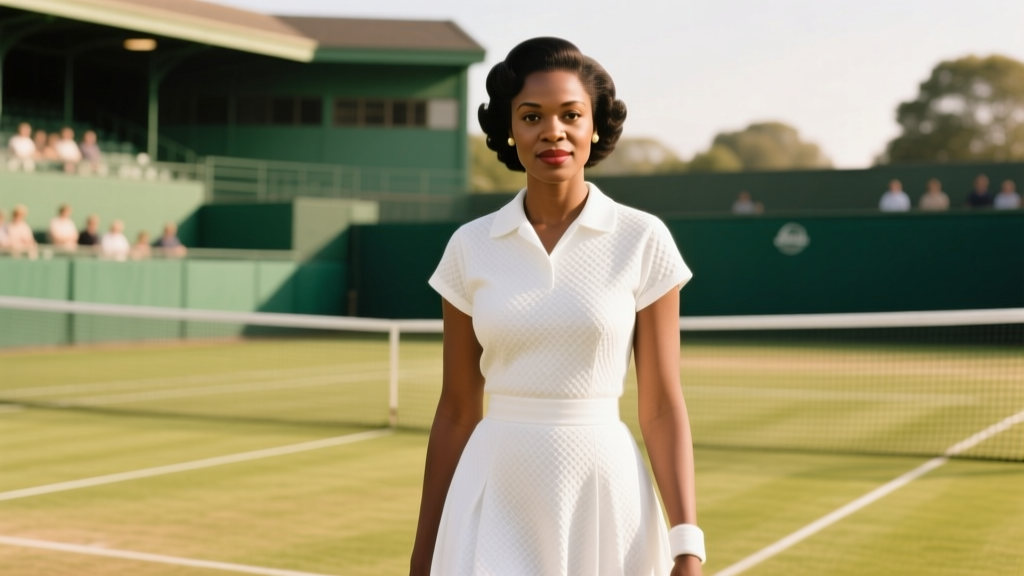
Althea Gibson did not have the luxury of the Vocal Activist or Influencer alternatives. In the 1950s, a Black woman speaking out too aggressively risked not just her career, but her safety. Gibson's brand alternative was built on impeccable excellence, stoic dignity, and elegant presentation. She let her racquet do the talking. Her branding was rooted in breaking barriers simply by showing up, dressed flawlessly, and winning decisively. When modern athletes like Serena Williams and Venus Williams reference Gibson in their social media bios or acceptance speeches, they are borrowing the 'Pioneer Authority' that Gibson established. The Gibson Alternative proves that you do not need to be the loudest voice in the room to have the most enduring brand; sometimes, being the first and the best is the ultimate personal brand statement.
Social Media Presence: The Anatomy of a Legacy Profile
Because Althea Gibson passed away in 2003, she does not possess an active, self-managed Instagram or TikTok account. However, analyzing her 'Social Media Presence' through the lens of legacy management provides a brilliant case study in post-career branding. How does a historical icon maintain relevance in an algorithm-driven era?
Gibson's digital footprint is maintained through what we call Legacy Branding. Instead of a personal feed, her brand is curated by major institutions like the USTA (@usta), the WTA (@wta), and the International Tennis Hall of Fame. When these organizations post about Gibson, they utilize a very specific aesthetic alternative to modern sports content:
- Archival Elegance: Posts featuring Gibson rely on high-contrast, black-and-white photography. This aesthetic signals prestige, history, and timelessness, standing out sharply against the neon, high-saturation graphics of modern sports marketing.
- Quote-Driven Narratives: Her social media presence is heavily anchored by quotes from her autobiography, I Always Wanted to Be Somebody. This positions her not just as an athlete, but as a philosopher of the sport.
- Association Branding: Gibson's brand experiences massive spikes in engagement during Black History Month and the US Open, driven by user-generated content and tributes from current tennis superstars. Modern athletes frequently tag her legacy in their own bios and posts, creating a 'halo effect' that keeps her name trending decades after her retirement.
For personal branding enthusiasts, the takeaway is clear: if you want your brand to outlive your active career, you must build it on foundational achievements and timeless aesthetics rather than fleeting internet trends.
Personal Branding Takeaways for Your Own Bio
How can you apply the lessons of Althea Gibson to your own Instagram bio, LinkedIn profile, or personal website? Whether you are an athlete, an entrepreneur, or a creative, here are three actionable takeaways inspired by the Gibson Alternative.
1. Adopt the 'Show, Don't Tell' Bio Framework
Modern bios are often cluttered with buzzwords like 'visionary,' 'hustler,' or 'disruptor.' The Gibson approach relies on hard, undeniable metrics. Instead of claiming to be a pioneer, state your 'firsts.'
Example Bio Format: 'First in my family to [Achievement]. [Number]x Award Winner. Let the work speak.' This minimalist, achievement-heavy approach commands immediate respect and mimics the quiet confidence Gibson carried onto the grass courts of Wimbledon.
2. Leverage Archival Elegance in Your Visuals
If you want to position yourself as an authority or a legacy-builder in your niche, consider adopting a 'timeless' aesthetic for your social media grid. You do not need to post in black-and-white, but you can emulate Gibson's elegant presentation by using clean lines, serif typography, and uncluttered visuals. In a sea of chaotic, fast-paced video content, a calm, dignified visual brand acts as a powerful pattern interrupt that attracts high-tier clients and collaborators.
3. Position Yourself as a Bridge-Builder
Gibson's brand was ultimately about opening doors for those who would follow her. In your personal branding, highlight how your work elevates your community or industry. Use your bio link to point toward mentorship programs, open-source projects, or community initiatives. Brands that are associated with lifting others up achieve a level of loyalty and longevity that purely self-serving influencer brands simply cannot match.
Sources and Further Reading
To dive deeper into the incredible life and historical impact of Althea Gibson, explore the following verified archives and resources:
- International Tennis Hall of Fame: Comprehensive career statistics and biographical archives on her Grand Slam victories (tennishalloffame.org).
- National Women's History Museum: Detailed analysis of her intersectional struggles and triumphs in both tennis and the LPGA (womenshistory.org).
- USTA Black History Month Archives: Institutional perspectives on how Gibson's legacy continues to shape modern American tennis (usta.com).