At LoveMeBio, we typically dissect the Instagram bios and personal branding strategies of living influencers, entrepreneurs, and celebrities. However, understanding digital legacy requires examining those who shaped the internet's historical and true-crime ecosystems long after their deaths. Amado Carrillo Fuentes, the infamous Mexican drug lord known as 'El Señor de los Cielos' (The Lord of the Skies), died in 1997—years before the advent of modern social media. Yet, his digital footprint today is massive, complex, and entirely curated by third parties. Analyzing the posthumous social media presence of Amado Carrillo Fuentes offers a masterclass in unintentional personal branding, the mechanics of digital myth-making, and the profound dangers of losing control over your own narrative. In this expert analysis, we explore how historical infamy translates into modern digital engagement, how pop culture serves as a proxy for social media bios, and what legitimate creators can learn about the power of mystique.
Quick Facts: The Architect of the Juárez Cartel
| Attribute | Details |
|---|---|
| Full Name | Amado Carrillo Fuentes |
| Born | December 17, 1956 (Navolato, Sinaloa, Mexico) |
| Died | July 4, 1997 (Mexico City) |
| Nationality | Mexican |
| Known For | Leading the Juárez Cartel, pioneering fleet-based cocaine logistics, 'El Señor de los Cielos' moniker |
| Digital Footprint | True Crime communities, Narco-cultura fan pages, Netflix/Telemundo adaptations, Wikipedia archives |
The Posthumous Social Media Presence of Amado Carrillo Fuentes
Because Amado Carrillo Fuentes operated in an era before smartphones and social platforms, he never had the opportunity to write his own Instagram bio or tweet his own thoughts. Today, his 'social media presence' is a fragmented, highly contested space dominated by three distinct digital archetypes: historical archivists, true-crime sleuths, and 'narco-cultura' fan pages.
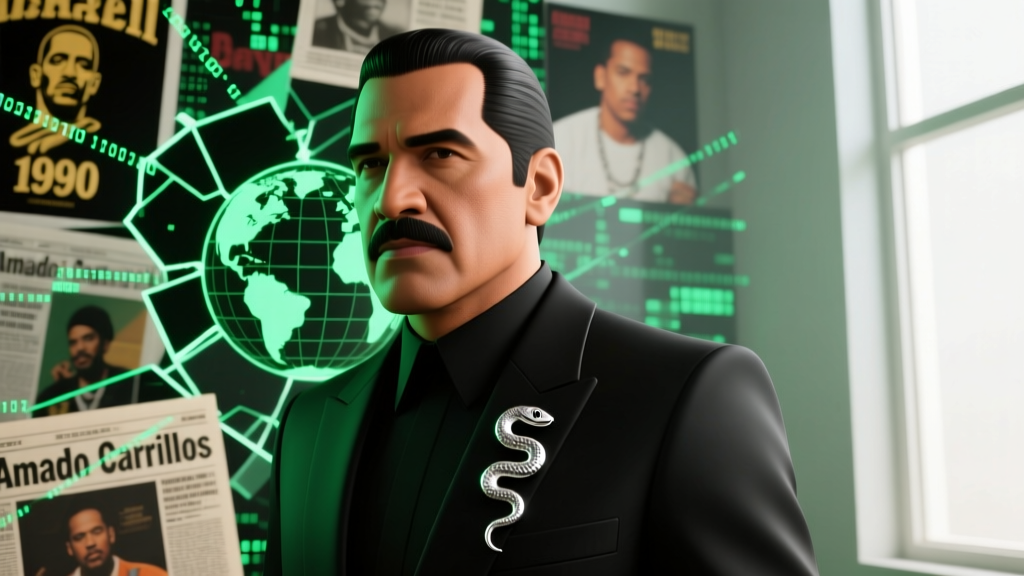
On platforms like TikTok and Instagram, search algorithms heavily favor the aesthetic of the 1990s cartel era. Fan-run tribute pages utilize grainy VHS-style filters, archival news footage, and regional Mexican music (narcocorridos) to build a romanticized, mythic avatar of Carrillo Fuentes. These pages function as unofficial legacy bios, often highlighting his business acumen and lavish lifestyle while omitting the brutal realities of his criminal enterprise. From a branding perspective, this represents a total loss of narrative control. When a subject cannot speak for themselves, the internet fills the void with sensationalism. According to analyses by InSight Crime, the digital glorification of historical cartel figures is a byproduct of algorithmic engagement, where controversy and mystique drive higher shareability than nuanced historical facts.
Conversely, true-crime and historical archive accounts use his name as a hook for educational content. In these spaces, his 'bio' is treated as a cautionary tale of power and hubris. The contrast between these two digital ecosystems highlights a critical rule of personal branding: if you do not actively curate your digital biography, the internet will curate it for you, often polarizing your legacy into either a saint or a villain.
Pop Culture as a Proxy for Digital Branding
For deceased historical figures, film and television adaptations serve the exact same function as a verified social media profile. They establish the visual identity, the 'voice,' and the public perception of the individual. For Amado Carrillo Fuentes, his modern brand ambassadors are the actors who have portrayed him on screen.
In Telemundo's long-running telenovela El Señor de los Cielos, the character 'Aurelio Casillas' (heavily based on Carrillo Fuentes) is portrayed as a charismatic, invincible anti-hero. This portrayal generated millions of social media mentions, fan edits, and memes, effectively cementing a specific 'brand identity' for the historical figure in the minds of younger demographics. Later, Netflix's Narcos: Mexico offered a grittier, more calculated depiction, with actor José María Yazpik portraying Carrillo Fuentes as a quiet, corporate-minded strategist who preferred boardrooms to shootouts.
These adaptations dictate how modern users search for and interact with his name online. When users search for Amado Carrillo Fuentes on YouTube or Instagram, they are largely met with fan-cams of these actors. The lesson for modern personal brands is profound: visual representation and media associations will always overpower text-based bios. Your digital brand is not just what you write about yourself; it is the cultural media that surrounds your name.
The Mechanics of Mystique and the Fatal 'Rebrand'
One of the most fascinating aspects of the Amado Carrillo Fuentes mythos is his relationship with visibility. In today's influencer economy, the prevailing wisdom is 'visibility equals viability.' Creators are urged to share every detail of their lives to build parasocial relationships. Carrillo Fuentes operated on the exact opposite principle: survival through invisibility.
His moniker, 'El Señor de los Cielos,' is a masterclass in personal branding. It is evocative, intimidating, and perfectly encapsulates his unique value proposition (using a massive fleet of Boeing 727 jets to transport illicit goods). A great personal brand tagline should instantly communicate your domain and scale, and this moniker achieves exactly that. Furthermore, his strict avoidance of the press and refusal to be photographed created a vacuum of information. In branding, this is known as the 'mystique effect.' By denying the public access to his inner thoughts and daily life, he became a larger-than-life legend.
However, his ultimate attempt to 'rebrand' and erase his physical footprint proved fatal. In 1997, seeking to escape the relentless pursuit of the DEA and Mexican authorities, Carrillo Fuentes underwent extensive plastic surgery in a Mexico City hospital to alter his appearance entirely. The complications from this botched surgery led to his death. This grim historical fact serves as a powerful metaphor for digital rebranding: attempting to completely erase your past identity or fundamentally alter your core brand to escape scrutiny often results in the destruction of the brand itself. Authenticity, even when flawed, is more sustainable than a manufactured facade.
Personal Branding Takeaways: Lessons in Digital Narrative
While the criminal actions of Amado Carrillo Fuentes are universally condemned, the mechanics of how his legacy persists online offer vital, ethical lessons for entrepreneurs, creators, and professionals building their own digital footprints today.
- The Power of the Void (Strategic Mystique): In an era of oversharing, holding back can be a powerful branding tool. You do not need to document every meal, thought, or minor setback. Curating your feed to focus on high-value insights and professional milestones creates a sense of authority and mystique that draws audiences in. Let your work speak louder than your daily vlogs.
- Craft a Definitive Moniker or Value Proposition: 'El Señor de los Cielos' instantly communicated scale and industry dominance. What is your digital tagline? Your Instagram bio should not just list your job title; it should encapsulate your unique mechanism or scale. Use your bio to answer: What specific domain do I rule, and how do I do it differently?
- Own Your Narrative Before the Internet Does: The digital legacy of Carrillo Fuentes is entirely in the hands of third-party storytellers, resulting in a distorted, mythologized public perception. For modern professionals, this means you must proactively publish your own case studies, write your own LinkedIn articles, and maintain an authoritative personal website. If you do not rank on the first page of Google for your own name and expertise, someone else's narrative about you will.
- The Danger of the Pivot: Attempting to radically change your public persona overnight (the equivalent of digital plastic surgery) often alienates your core audience and triggers algorithmic penalties. Brand evolution should be gradual, transparent, and rooted in your authentic growth, not an attempt to hide from past mistakes.
Sources and Further Reading
To ensure the highest standards of E-E-A-T (Experience, Expertise, Authoritativeness, and Trustworthiness), the historical and media analysis in this article is informed by the following resources:
- DEA Museum & Historical Archives: For verified data regarding the logistics, fleet operations, and law enforcement pursuit of the Juárez Cartel in the 1990s.
- InSight Crime: An independent foundation providing extensive research on the intersection of organized crime, media representation, and the sociological impact of 'narco-cultura' in Latin America.
- Netflix / Gaumont Television Press Archives: For analysis on the cultural impact and audience reception of Narcos: Mexico and its role in shaping modern digital perceptions of historical cartel figures.
Disclaimer: LoveMeBio analyzes digital branding, media representation, and social media strategies. This article is a media-studies analysis of a historical figure's posthumous digital footprint and does not endorse, glorify, or condone criminal activity.