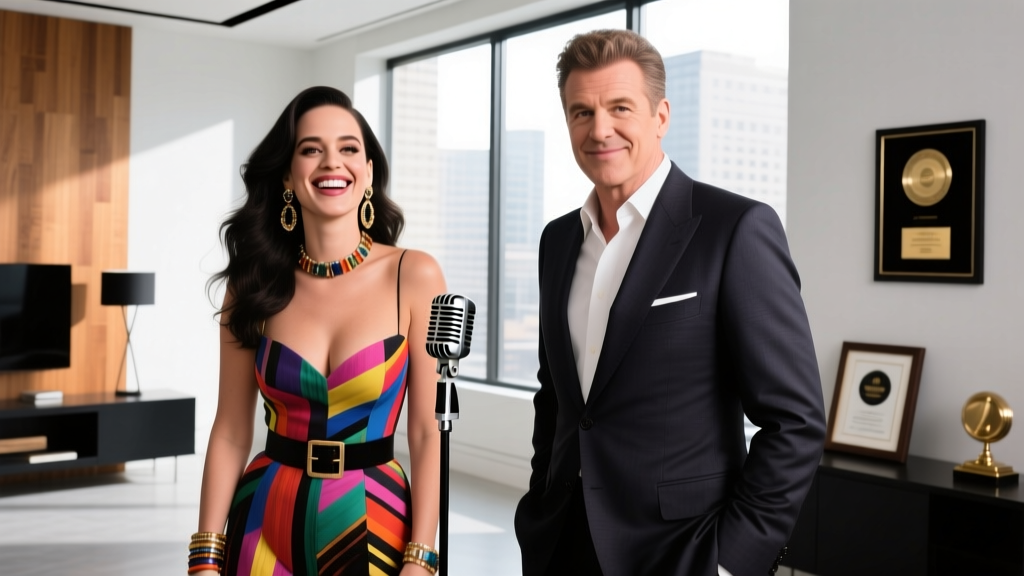
Television history is defined by iconic panels, but few have influenced pop culture and personal branding quite like the American Idol Judges. From the blunt, industry-shaking critiques of the early 2000s to the collaborative, mentorship-driven dynamic of the modern ABC revival, the judges' table is a masterclass in archetype marketing. When you analyze the social media presence of these music mogols, you uncover a deliberate strategy. Their Instagram bios, X timelines, and TikTok feeds are not just digital resumes; they are carefully curated extensions of their television personas. For creators, entrepreneurs, and aspiring artists, studying the American Idol Judges offers a blueprint for translating a multi-dimensional career into a cohesive, engaging digital brand.
Quick Facts: The American Idol Judges Panel
| Attribute | Details |
|---|---|
| Entity | American Idol Judges (Collective Panel) |
| Key Figures (Modern Era) | Katy Perry, Luke Bryan, Lionel Richie |
| Key Figures (Legacy Era) | Simon Cowell, Paula Abdul, Randy Jackson |
| Known For | Music industry critique, reality TV stardom, artist mentorship |
| Primary Platforms | Instagram, X (Twitter), TikTok |
| Combined Reach | 300M+ followers across primary accounts |
The Evolution of the American Idol Judges Persona
To understand the digital branding of the panel, we must first look at how the archetypes have evolved. During the Fox era, the branding relied on extreme contrast: Simon Cowell was the unapologetic villain and industry executive, Paula Abdul was the empathetic nurturer, and Randy Jackson was the insider who spoke in industry jargon. Their digital footprints during that era were managed by PR teams, keeping a strict wall between the celebrity and the fan.
When the show transitioned to ABC, the branding strategy shifted. The modern panel—Katy Perry, Luke Bryan, and Lionel Richie—was cast to represent a cross-section of the music industry: Pop, Country, and Soul/R&B. More importantly, their social media presence shifted from distant stardom to accessible, behind-the-scenes authenticity. They use their platforms to show the emotional toll of judging, the camaraderie behind the scenes, and their own ongoing creative projects. This evolution from "critics" to "mentors" is deeply reflected in how they structure their social media bios and interact with their audiences.
Social Media Presence & Bio Analysis
Breaking down the individual profiles of the most prominent judges reveals distinct personal branding strategies that anyone can adapt for their own social media presence.
Katy Perry: The Minimalist Pop Titan
With over 200 million Instagram followers, Katy Perry possesses one of the largest digital audiences on the planet. Interestingly, her Instagram bio rarely leans on her title as a television judge. Instead, Perry utilizes the "Current Era" bio strategy. Her bio text is often stripped down to a single line promoting her latest business venture, such as her non-alcoholic beverage brand, De Soi, or her Star Witness platform. She lets her visual grid—filled with high-camp aesthetics, Idol behind-the-scenes moments, and personal life snippets—do the heavy lifting for her personality. Branding Lesson: If you have multiple income streams or projects, do not clutter your bio with your entire resume. Use your bio text for your current conversion goal (your latest link) and let your content establish your multifaceted identity.
Luke Bryan: The Grounded Multi-Hyphenate
Country superstar Luke Bryan (13M+ Instagram followers) uses his bio to establish his relatable, everyman persona. His bio typically employs the "Rule of Three" using emojis to segment his identity: a microphone for his music career, a television for his Idol duties, and a tractor or wheat stalk for his farm life and family. This structural choice instantly communicates his core values: music, entertainment, and family/roots. His posting style mirrors this, seamlessly blending stadium tour footage with muddy farm trips and Idol bloopers. Branding Lesson: Use emojis as visual bullet points to categorize your diverse skills or passions. It makes your bio scannable and humanizes your professional achievements by anchoring them to personal values.
Lionel Richie: The Timeless Authority
Lionel Richie’s digital presence is a masterclass in bridging generational divides. With millions of followers across platforms, Richie’s bio leans heavily on the "Authority Anchor". He explicitly lists his legacy credentials (Grammy Winner, Global Icon) alongside his current television role. However, his content strategy is where the magic happens: he actively engages with Gen Z humor, trending TikToks, and modern pop culture, creating a delightful contrast between his legendary status and his playful digital persona. Branding Lesson: Establish your highest credential in your bio to build immediate trust, but use your actual posts to show personality, humor, and adaptability. Authority gets them to follow; personality makes them stay.
Simon Cowell: The Unapologetic Executive
Though he moved on to America's Got Talent, Simon Cowell’s legacy as the definitive Idol judge remains. Cowell’s social media branding is fiercely protective of his "mogul" archetype. His bios across platforms focus on his roles as a creator, producer, and executive (Syco Entertainment). He rarely posts casual, unfiltered content; instead, his grid is a polished portfolio of his shows, his artists, and his high-profile lifestyle. Branding Lesson: If your personal brand is built on expertise, curation, and high standards, do not feel pressured to jump on casual TikTok trends. A polished, highly curated feed that reinforces your executive authority is a valid and powerful branding choice.
Personal Branding Takeaways for Your Own Bio
You do not need a Hollywood contract to apply the strategies used by the American Idol Judges. Here is how you can translate their television-tested branding into your own Instagram, LinkedIn, or TikTok bio:
- Define Your Archetype: Are you the blunt expert (Simon), the relatable peer (Luke), the creative visionary (Katy), or the seasoned mentor (Lionel)? Choose one primary archetype and ensure your bio tone and visual content align with it.
- Implement the "Current Era" Link: Like Katy Perry, rotate your bio link based on your current focus. Whether it is a new portfolio, a newsletter sign-up, or a product launch, your link-in-bio should reflect what you are actively building right now, not just a static homepage.
- Use Visual Segmentation: Adopt Luke Bryan’s emoji strategy to break down complex careers. If you are a "Designer / Speaker / Dog Dad," use clean, relevant emojis to make your multifaceted life easily digestible in 150 characters or less.
- Anchor with Authority, Engage with Authenticity: Follow the Lionel Richie model. Put your most impressive, verifiable credential in your name field or the first line of your bio. Then, use your Stories and Reels to show the unpolished, authentic, and humorous side of your daily life.
Sources & Industry References
The analysis of television casting and personal branding strategies is supported by industry reporting on the evolution of reality music competitions and celebrity digital marketing:
- Variety: American Idol Judges Katy Perry, Luke Bryan, Lionel Richie Set for ABC Revival - An in-depth look at the strategic casting of the modern panel to capture diverse music demographics.
- Billboard: Katy Perry’s American Idol Exit and Brand Evolution - Analysis of how Perry balanced her television duties with her expanding entrepreneurial and musical ventures.
- The Hollywood Reporter: The Business of the Idol Judges Table - Insights into the contractual and branding synergies required for modern reality TV music judges.