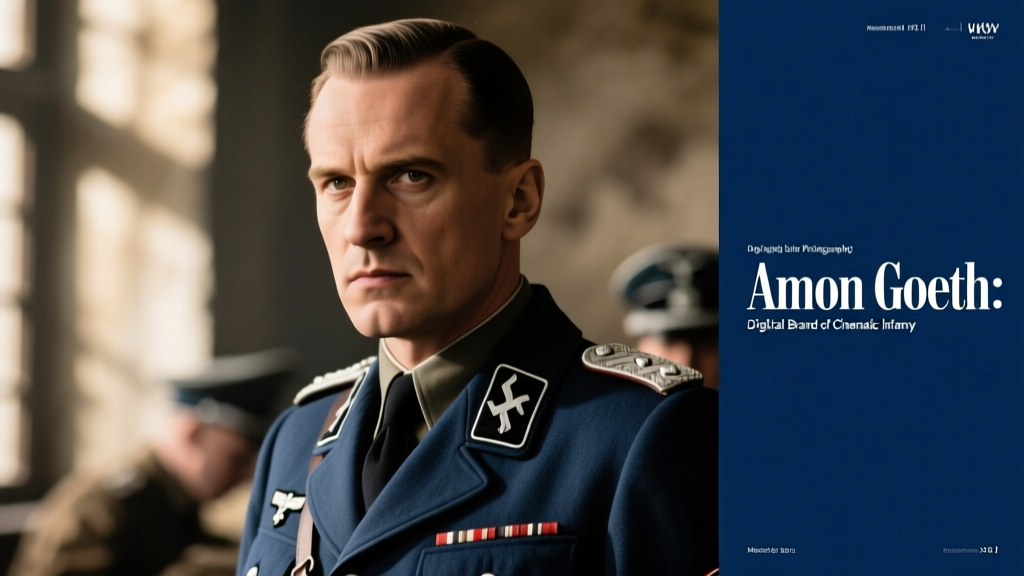
The Historical and Cinematic Legacy of Amon Goeth
When analyzing personal branding, digital legacies, and historical infamy, few figures present as complex and ethically challenging a case study as Amon Goeth. Known to history as the brutal commandant of the Płaszów concentration camp, and to global audiences through Ralph Fiennes’ chilling Academy Award-nominated portrayal in Steven Spielberg’s Schindler's List (1993), Goeth represents the ultimate 'brand of infamy.' For digital creators, historians, and film analysts on platforms like Instagram and TikTok, managing the narrative around such dark historical figures requires immense care, strict ethical boundaries, and highly strategic profile branding. This expert analysis explores the digital footprint of Amon Goeth, how his cinematic persona is discussed across social media, and the vital personal branding takeaways for creators who manage history, true crime, or film analysis pages.
Quick Facts: The Man and the Cinematic Persona
| Full Name | Amon Leopold Goeth |
|---|---|
| Born | December 6, 1908 (Vienna, Austria-Hungary) |
| Died | September 13, 1946 (Kraków, Poland) |
| Known For | Commandant of Kraków-Płaszów concentration camp |
| Cinematic Portrayal | Ralph Fiennes (Schindler's List, 1993) |
| Social Media Handles | N/A (Historical figure; digital footprint managed by educational and film institutions) |
Amon Goeth in the Digital Age: Social Media Presence & Footprint
As a historical figure who died in 1946, Amon Goeth does not possess a personal Instagram, TikTok, or X account. However, his 'social media presence' exists as a massive, highly scrutinized digital footprint managed by proxy. On platforms like TikTok and Instagram, the search query for his name yields millions of views, primarily driven by #HistoryTok, film analysis reels, and Holocaust education advocates. The 'brand' of Amon Goeth online is strictly educational, cautionary, and cinematic.
When analyzing the follower engagement on posts featuring Goeth, creators face a unique challenge: the algorithmic push of controversial figures often attracts uninformed or inflammatory comments. Successful history and film pages manage this by utilizing aggressive community moderation and pinned comments that provide historical context. The engagement is less about 'fandom' and more about collective historical processing. Educational accounts use the cinematic familiarity of Ralph Fiennes' portrayal as a hook to educate younger demographics about the realities of the Holocaust, pivoting the 'brand' from mere movie trivia to vital historical preservation.
Filmography and Historical Media Portrayals
The digital footprint of Amon Goeth is inextricably linked to his media portrayals. Content creators analyzing his 'brand' typically reference the following cornerstone media:
- Schindler's List (1993): Steven Spielberg’s masterpiece cemented the visual and psychological 'brand' of Goeth in pop culture. Ralph Fiennes’ portrayal is frequently analyzed on Instagram film pages for its depiction of the banality of evil.
- Amon: My Father's Monster (2006): A documentary featuring Monika Hertwig (Goeth’s daughter), which is often cited by true crime and dark history podcasters exploring the generational trauma and psychological aftermath of war criminals.
- USC Shoah Foundation Archives: Survivor testimonies that digital educators link to in their bios to counteract the Hollywood dramatization with stark, unvarnished historical truth.
Personal Branding Takeaways for Niche Digital Creators
While you are not branding a historical villain, the way digital creators handle the legacy of Amon Goeth provides masterclass lessons in ethical personal branding, bio construction, and niche authority. If you run an Instagram page dedicated to film analysis, dark history, or true crime, your bio must immediately establish trust, ethical intent, and educational value.
1. The Anatomy of a Dark History Instagram Bio
When your content touches on sensitive historical atrocities, your Instagram bio must act as an immediate disclaimer and mission statement. Creators who discuss figures like Goeth successfully use the following 4-line bio structure:
- Line 1 (Niche Identifier): 'WWII Historian | Cinematic Analysis 🎞️'
- Line 2 (Ethical Stance): 'Educating to prevent repetition 🕊️'
- Line 3 (Content Warning): '⚠️ Sensitive Historical Content'
- Line 4 (Authority CTA): 'Support the USHMM 👇 [Link]'
This structure ensures that followers and algorithmic moderators immediately understand the page's educational intent, protecting the account from being flagged for promoting hate speech or violence.
2. Separating the Actor from the Subject
Film analysis pages must clearly delineate between the actor's craft and the historical monster. In your content captions and bio highlights, use precise language. Brand your page as an 'Analyst of Cinematic Villainy' rather than a 'Villain Fan Page.' This subtle branding choice attracts an audience interested in film theory, acting techniques, and historical accuracy, rather than those seeking to glorify dark figures.
3. Visual Branding and Tone
Pages that discuss the Holocaust and figures like Goeth must avoid sensationalism in their visual branding. Successful accounts use muted, respectful color palettes (grayscale, sepia, deep blues) in their profile pictures and highlight covers. Avoid using red arrows, shocked emojis, or clickbait thumbnails when discussing atrocities. Your visual brand must communicate reverence and academic rigor.
4. Leveraging Link-in-Bio for Authority
Because Instagram captions have limits, your bio link is crucial for E-E-A-T (Experience, Expertise, Authoritativeness, and Trustworthiness). History creators use Linktree or native link tools to direct followers to verified institutions like the United States Holocaust Memorial Museum (USHMM) or the Auschwitz-Birkenau Memorial. This external linking strategy boosts your page's authority and provides a safe, educational funnel for your audience.
Sources and Further Reading
- United States Holocaust Memorial Museum (USHMM) - Holocaust Encyclopedia: Amon Goeth.
- IMDb - Schindler's List (1993) Cast, Crew, and Historical Trivia.
- USC Shoah Foundation - Visual History Archive survivor testimonies regarding Płaszów.