When discussing American Realism, the name Andrew Wyeth immediately commands respect. Known for his muted, deeply emotional landscapes and portraits, Wyeth captured the soul of rural Pennsylvania and Maine. But what happens when a master painter who passed away in 2009 must maintain relevance in the modern digital era? In this case study, we explore the Andrew Wyeth legacy brand. By examining how his estate and affiliated museums curate his social media presence, bio, and visual identity, we uncover powerful lessons for artists and personal brands looking to build a timeless, authentic digital profile. Let us dive into the strategy behind preserving a master's digital footprint.
Quick Facts: The Realist Master
| Attribute | Details |
|---|---|
| Full Name | Andrew Newell Wyeth |
| Born | July 12, 1917 (Chadds Ford, Pennsylvania) |
| Died | January 16, 2009 |
| Nationality | American |
| Known For | Christina's World, The Helga Pictures, American Regionalism/Realism, Egg Tempera mastery |
| Digital Custodians | @brandywinemuseum (Instagram), Wyeth Family Estate, @wyethart (Facebook/Official Web) |
The Andrew Wyeth Digital Estate: Social Media Presence
Because Andrew Wyeth passed away before the advent of Instagram, he never personally crafted a social media bio or curated a digital grid. Instead, his digital presence is a fascinating case study in legacy brand management. His online identity is primarily stewarded by the Brandywine Conservancy & Museum of Art and the official Wyeth Family Estate. This presents a unique challenge: how do you translate the quiet, solitary, and deeply analog nature of a mid-century realist painter into the fast-paced, algorithm-driven world of modern social media?
The official custodians of his work have chosen a strategy of archival authority. Rather than chasing trends, the social media channels dedicated to Wyeth's work function as digital museums. The posting style is deliberate, slow-paced, and highly educational. Captions rarely use emojis or internet slang. Instead, they provide rich historical context, detailing the exact type of brushstrokes used, the history of the Chadds Ford landscapes, or the personal relationship between Wyeth and his subjects, such as Christina Olson and Helga Testorf.
Deconstructing the Legacy Bio
If we look at the institutional profiles that house his largest digital collections, such as the Brandywine Museum of Art, the bio structure relies heavily on geographic and historical authority. A legacy bio in the art world does not need to be flashy; it needs to be definitive. The bios associated with his estate utilize clear, authoritative statements: 'Home of the Wyeth family collection.' This teaches modern creators a valuable lesson in personal branding: if your work speaks for itself, your bio should act as a quiet, confident gallery plaque rather than a loud billboard.
Visual Storytelling: Translating Canvas to the Grid
One of the most striking aspects of the Wyeth digital presence is how naturally his aesthetic translates to the Instagram grid. Wyeth was a master of the limited, earthy palette. His reliance on raw umber, yellow ochre, and muted grays in his egg tempera paintings creates an inherently cohesive visual feed. When museums and galleries post his works, the grid naturally forms a mood board of melancholic, beautiful American rural life.
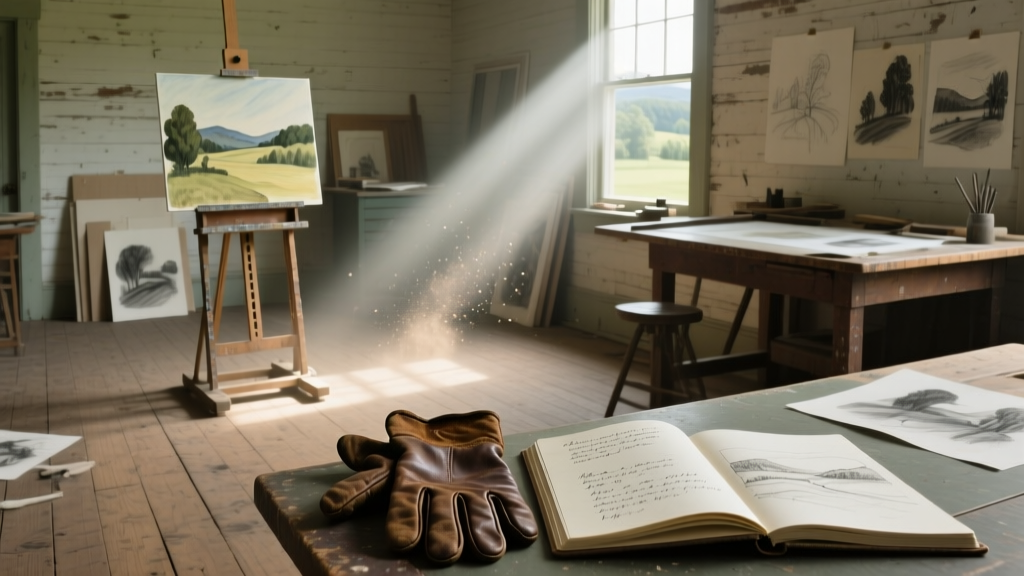
Furthermore, the estate frequently shares behind-the-scenes archival content. Followers are treated to photographs of Wyeth’s actual studio, his worn brushes, his custom-mixed pigments, and his preliminary sketch studies. This 'process-oriented' content bridges the gap between the final masterpiece and the human being who created it. For modern artists and entrepreneurs, this is a crucial takeaway: audiences connect with the friction and reality of the creative process just as much as the polished final product.
Key Career Highlights & Artistic Movements
To understand the weight of the brand being managed online, one must understand the sheer gravity of his career. Wyeth was not just a painter; he was a cultural phenomenon who bridged the gap between high art and mainstream American consciousness.
- Christina's World (1948): Perhaps his most famous work, this tempera painting depicts Christina Olson looking toward her farmhouse in Maine. Acquired by MoMA shortly after its debut, it became an iconic symbol of American resilience and rural isolation.
- The Helga Pictures (1986): A massive cultural event, this collection revealed over 240 paintings and drawings of his neighbor, Helga Testorf, created in secret over 14 years. The exhibition shattered attendance records and highlighted Wyeth's intense, private dedication to his subjects.
- Presidential Medal of Freedom (2007): Awarded by President George W. Bush, cementing his status as one of the most important American artists of the 20th century.
- Mastery of Egg Tempera: At a time when the art world was obsessed with Abstract Expressionism, Wyeth stubbornly and successfully championed traditional, highly detailed realist techniques.
Personal Branding Takeaways for Modern Creators
What can a contemporary freelancer, artist, or professional learn from the digital stewardship of a deceased 20th-century painter? The Andrew Wyeth case study offers several profound lessons for crafting your own bio and social media presence.
1. The Power of the Minimalist Bio
Wyeth’s art was defined by what he chose to leave out of the frame. The digital custodians of his brand apply this same minimalism to his biographical descriptions. Takeaway: If you are a visual artist, photographer, or designer, do not clutter your Instagram or portfolio bio with buzzwords. Use a single, powerful sentence that states exactly what you do and where you are based. Let your link-in-bio direct users to your portfolio. Example: 'Oil painter exploring the quiet landscapes of the Pacific Northwest. Gallery representation in Seattle.'
2. Curate a Signature Color Palette
Wyeth’s tempera works are instantly recognizable due to his strict adherence to earth tones. Takeaway: Your social media grid is your digital gallery. Use a consistent color grade, lighting setup, or background for your profile's visual assets. When a user lands on your profile, they should immediately understand your brand's 'mood' within three seconds. Cohesion builds subconscious trust.
3. Share the 'Studio Floor' (Process over Polish)
The Wyeth estate frequently posts close-ups of his drybrush techniques and messy studio desks. Takeaway: Do not just post your final achievements. Use your Stories or carousel posts to show your messy desk, your rough drafts, and your failures. This builds a parasocial connection with your audience and positions you as a dedicated craftsman rather than just a content generator.
4. Leverage Institutional Authority in Your Links
The Wyeth brand relies heavily on its association with institutions like MoMA and the Brandywine Museum. Takeaway: In your bio's link section or 'Featured' highlights, include links to authoritative features, podcasts you have been interviewed on, or respected clients you have worked with. Borrowing authority from established entities elevates your personal brand's perceived value.
Conclusion
The digital legacy of Andrew Wyeth proves that true personal branding does not require loud gimmicks or constant trend-chasing. By leaning into archival authenticity, maintaining a cohesive visual identity, and allowing the work to remain the focal point, the Wyeth estate has successfully translated a mid-century realist master into a compelling modern digital brand. Whether you are an emerging artist or a seasoned professional, treating your digital profile with the quiet confidence of a curated museum exhibition will ensure your personal brand stands the test of time.
Sources & Further Reading
- Brandywine Conservancy & Museum of Art - Official custodians of the Wyeth family collection and archives.
- Wyeth Art (Official Family Site) - Comprehensive biographical data and estate management for N.C., Andrew, and Jamie Wyeth.
- MoMA Collection: Christina's World - Historical context and acquisition details of Wyeth's most famous painting.