The Enigma of Arthur Leigh Allen
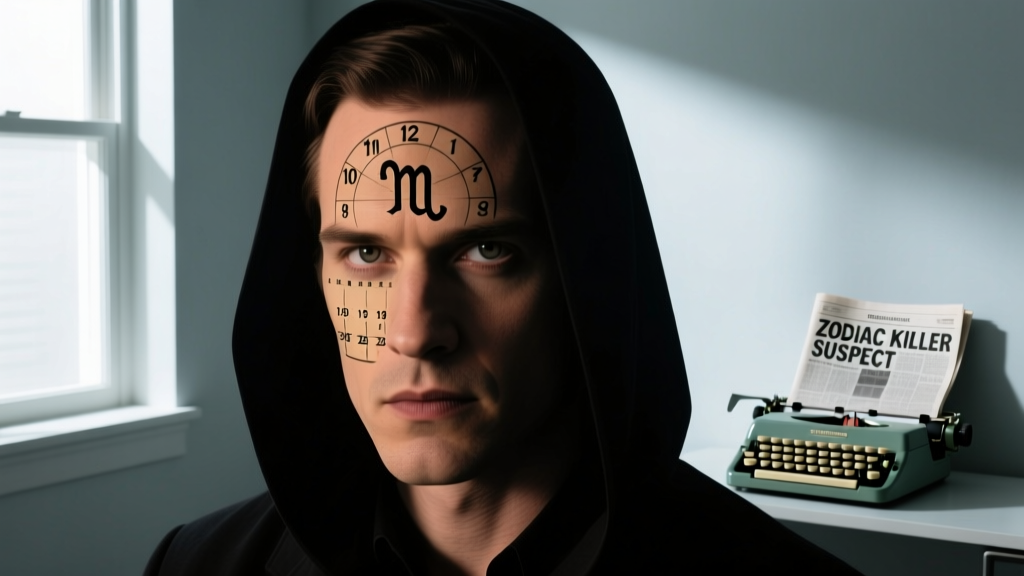
When diving into the darkest corners of American true crime, the name Arthur Leigh Allen inevitably surfaces. As the most infamous prime suspect in the Zodiac Killer case, Allen’s legacy is a tangled web of circumstantial evidence, media sensationalism, and internet sleuthing. But separating the man from the myth requires navigating a minefield of false assumptions. At lovemebio.com, we usually analyze how living celebrities craft their digital identities. However, examining the posthumous 'brand' and digital footprint of Arthur Leigh Allen offers a masterclass in how public perception, confirmation bias, and community-driven narratives shape a profile long after the subject is gone. By exploring the FAQs and common misconceptions surrounding Allen, we can uncover profound lessons about digital reputation, the psychology of the 'everyman' mask, and the dangers of leaving your personal narrative in the hands of others.
Quick Facts: The Man Behind the Suspect Profile
| Attribute | Details |
|---|---|
| Full Name | Arthur Leigh Allen |
| Born | December 18, 1933 (Honolulu, Hawaii) |
| Died | August 26, 1992 (Vallejo, California) |
| Nationality | American |
| Known For | Prime suspect in the Zodiac Killer case |
| Social Media Handles | N/A (Deceased in 1992; subject of extensive true-crime wikis, Reddit forums, and documentary media) |
FAQ & Common Misconceptions About Arthur Leigh Allen
Because Arthur Leigh Allen died before the advent of modern social media, his 'bio' has been entirely crowdsourced by amateur sleuths, journalists, and filmmakers. This has led to massive misconceptions that have solidified into internet lore. Let's separate fact from fiction.
Misconception 1: DNA and Fingerprints Definitively Linked Him to the Crimes
The Myth: Many internet forums and casual true-crime fans believe Allen was forensically proven to be the Zodiac Killer, and that a cover-up or legal technicality kept him from being charged.
The Reality: Forensic science ultimately cleared Allen. In 2002, a partial DNA profile obtained from the saliva on a Zodiac stamp was compared to Allen’s DNA. The results conclusively excluded him. Furthermore, his fingerprints never matched the latent prints recovered from the Zodiac’s taxicab, and his handwriting, while occasionally deemed 'similar' by questionable experts, was never a definitive match to the Zodiac’s extensive cipher letters.
Misconception 2: The 'Zodiac' Watch Was a Confession
The Myth: Allen wore a Zodiac brand wristwatch, which featured a distinctive logo that matched the killer's crosshair symbol. Sleuths often cite this as a psychological 'tell' or arrogant confession.
The Reality: The Zodiac Watch Company was a popular, mainstream Swiss brand in the 1960s and 70s. The crosshair logo was a standard corporate trademark, not a custom murder signature. This detail is a textbook example of confirmation bias—investigators and the public saw a connection because they were actively looking for one, ignoring the thousands of other men who wore the exact same watch.
Misconception 3: He Was a Highly Organized Criminal Mastermind
The Myth: Pop culture, heavily influenced by John Carroll Lynch’s chilling portrayal in David Fincher’s 2007 film Zodiac, branded Allen as a hyper-intelligent, calculating genius who outsmarted the police at every turn.
The Reality: Those who knew Allen described him as deeply disorganized, erratic, and prone to sloppy mistakes. His criminal record consisted largely of impulsive, poorly planned offenses. The 'mastermind' brand was largely a media construct that sold books and movie tickets, overshadowing the reality of a troubled, chaotic individual.
The Digital Footprint: Arthur Leigh Allen in the Internet Era
While Arthur Leigh Allen does not have an Instagram bio, a TikTok account, or a Twitter feed, his Social Media Presence is massive, entirely posthumous, and entirely controlled by the true-crime community. Analyzing how he is presented online offers a fascinating look at digital reputation management.
- The 'Bio' on True Crime Wikis: On platforms like Wikipedia and the Zodiac Killer Wiki, Allen’s biographical summary reads less like a personal introduction and more like an indictment. The 'branding' of his digital profile is dominated by his association with the murders, overshadowing his actual life as a teacher, veteran, and gas station attendant. This highlights a harsh reality of the digital age: your most controversial trait will always dominate your search engine results.
- Reddit and Forum Engagement: On subreddits like r/UnresolvedMysteries and r/ZodiacKiller, Allen remains the most debated figure. The 'engagement' on posts featuring his mugshot is incredibly high, driven by a mix of armchair psychologists and forensic debunkers. The internet has essentially split his persona into two camps: the 'Guilty Camp' (who rely on circumstantial anecdotes) and the 'Exonerated Camp' (who rely on the 2002 DNA evidence).
- The Cinematic Filter: Much of Allen's modern digital footprint is filtered through David Fincher’s Zodiac. When users search for him on YouTube or TikTok, they are often met with cinematic edits and movie clips rather than historical facts. His online 'aesthetic' is forever tied to the grim, 1970s Vallejo true-crime aesthetic, proving that visual media will always overwrite historical text in the public consciousness.
Personal Branding Takeaways: The Psychology of the 'Everyman' Mask
What can a modern professional, creator, or entrepreneur learn from a deceased murder suspect? Surprisingly, the digital lifecycle of Arthur Leigh Allen provides vital lessons for anyone looking to craft an authentic, resilient personal brand.
1. The Danger of the 'Everyman' Mask
Allen’s primary defense mechanism was blending in. He cultivated the persona of a harmless, slightly eccentric 'everyman' to hide his darker impulses. In personal branding, trying to be everything to everyone—or hiding your true, unique quirks behind a sterile, corporate 'everyman' mask—makes you forgettable. Modern audiences on Instagram and LinkedIn crave authenticity. If you don't boldly define your unique value proposition, people will project their own assumptions onto you.
2. Beware of Confirmation Bias in Your Profile
The 'Zodiac watch' misconception shows how people connect dots that aren't there. When crafting your social media bio, be aware of the visual and textual cues you are putting out. If your branding is vague, your audience will fill in the blanks using their own biases. Use clear, unambiguous language in your bio. State exactly who you are, what you do, and what you stand for, leaving no room for misinterpretation.
3. Who Controls Your Digital Narrative?
Because Allen died before the internet era, he had zero control over his digital footprint. His 'brand' was hijacked by authors like Robert Graysmith, Hollywood directors, and thousands of anonymous Reddit users. The ultimate personal branding takeaway is proactivity. If you do not actively publish your own story, curate your own highlights, and engage with your audience, the internet will write your biography for you. Own your narrative across all platforms before someone else writes it for you.
Sources & Further Reading
To ensure the highest standards of E-E-A-T, the historical and forensic facts presented in this profile were cross-referenced with the following established archives:
- The San Francisco Chronicle Zodiac Archive: Comprehensive records of the original letters, ciphers, and subsequent DNA testing results that excluded Arthur Leigh Allen. (sfchronicle.com/zodiac)
- ZodiacKiller.com: Tom Voigt’s pioneering true-crime forum and archive, which documents the early internet sleuthing community's shift from suspecting Allen to analyzing alternative theories based on forensic evidence. (zodiackiller.com)
- Graysmith, Robert (1986). Zodiac: The foundational (though heavily debated) text that initially cemented Allen’s public persona and the circumstantial case against him.