In the ever-evolving landscape of culinary social media, a new archetype has emerged, challenging the loud, fast-paced editing of traditional food vloggers. Leading this quiet revolution is the enigmatic digital creator known simply as Beef Tartare. Operating at the intersection of high-end gastronomy and digital minimalism, Beef Tartare has cultivated a cult following by stripping away the noise and focusing entirely on the visceral art of raw preparation. For personal branding enthusiasts and aspiring influencers, analyzing the Beef Tartare phenomenon offers a masterclass in how restraint, aesthetic cohesion, and bio minimalism can dominate the current algorithmic landscape. This trend report breaks down the strategies behind this mononymous chef’s online presence and reveals how you can apply these high-fashion branding techniques to your own social media profiles.
The Rise of Beef Tartare in Digital Culinary Arts
To understand the brilliance of this personal brand, we must first look at the current landscape of food media. For the past five years, platforms like TikTok and Instagram have been dominated by high-energy, personality-driven cooking content. Creators relied on loud hooks, chaotic kitchen tours, and exaggerated reactions to retain viewer attention. However, a recent trend report on digital consumption habits reveals a growing audience fatigue toward overstimulated content. Enter the 'quiet luxury' movement, applied directly to culinary arts.
Beef Tartare represents the pinnacle of this counter-movement. By adopting a mononymous, concept-driven persona, the creator shifts the focus entirely from the individual's personality to the craft itself. The branding is rooted in mystery, high-contrast macro videography, and ASMR-style audio design. There are no spoken words, no flashy text overlays, and no desperate calls to action. Instead, the brand relies on the hypnotic quality of precision knife work and the visual appeal of premium ingredients. This approach not only captures high watch-time metrics but also elevates the creator from a mere 'influencer' to an avant-garde digital artist.
Quick Facts: The Persona Behind the Plate
| Attribute | Details |
|---|---|
| Mononym / Brand Name | Beef Tartare |
| Content Niche | Avant-Garde Culinary Arts, ASMR Food Prep |
| Primary Platforms | Instagram Reels, TikTok, YouTube Shorts |
| Signature Aesthetic | Macro-lens, high-contrast, silent preparation |
| Bio Strategy | Ultra-minimalist, negative space, single CTA |
| Known For | Redefining 'quiet luxury' in digital food media |
Social Media Presence & Bio Breakdown
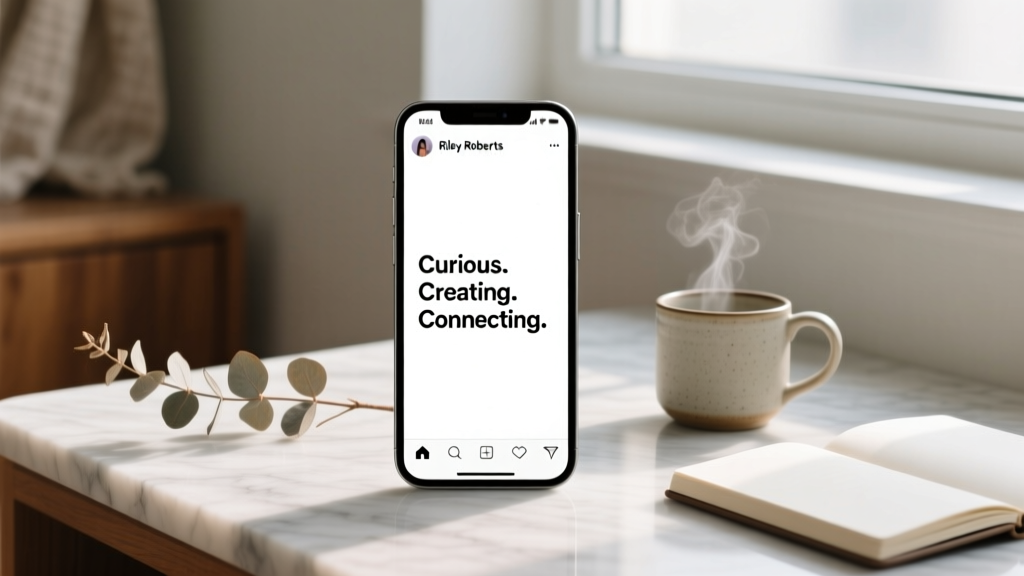
When you navigate to the Instagram profile of Beef Tartare, the first thing you notice is what isn't there. In an era where creators cram their bios with emojis, podcast links, and lengthy mission statements, this profile embraces radical minimalism. The bio consists of exactly three elements: a single silver dagger emoji, a set of geographic coordinates pointing to a rotating pop-up supper club, and a link to a private newsletter. There is no 'Hi, I'm a chef!' or 'DM for collabs.' The absence of traditional bio filler forces the user to engage with the visual grid to understand the brand.
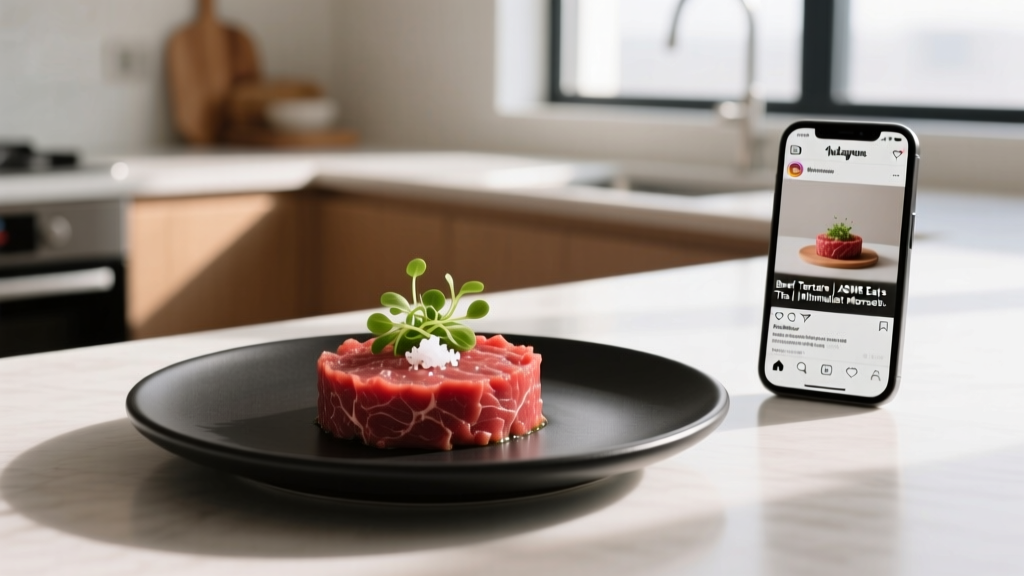
The profile picture is equally deliberate. Rather than a smiling headshot, it features a hyper-detailed, high-contrast macro shot of a cured egg yolk resting on raw meat. This acts as a visual anchor, immediately communicating the brand's dedication to raw, unadulterated ingredients. The grid itself is a masterclass in color theory, alternating between deep crimson reds, stark marble whites, and charcoal blacks.
On TikTok, the strategy shifts slightly to accommodate the platform's algorithmic preference for consistency, but the branding remains ironclad. The captions are limited to the exact weight and origin of the ingredients used (e.g., 'A5 Miyazaki Wagyu. 42g. Hand-cut.'). This clinical, almost scientific approach to captioning contrasts beautifully with the sensual, ASMR-heavy audio of the videos. The engagement in the comments is incredibly high, with followers treating the comment section like an exclusive culinary forum, debating knife techniques and sourcing ethics. By refusing to pander to the algorithm with trending audio or dances, Beef Tartare has trained the algorithm to serve their content to a highly specific, high-income demographic interested in fine dining and luxury aesthetics.
The Current Landscape: Raw Aesthetics & Algorithmic Restraint
Why is this specific brand of minimalism working so well right now? According to recent social media trend analyses, audiences are developing 'banner blindness' to traditional influencer marketing. When a profile bio looks like a billboard, users instinctively scroll past. The current landscape favors creators who treat their profiles like digital art galleries.
Beef Tartare leverages a psychological concept known as 'information gap theory.' By providing almost zero context in the bio and letting the highly stylized videos speak for themselves, the creator opens an information gap that the viewer feels compelled to close. This drives massive profile visits, saves, and shares. Furthermore, the ASMR nature of the content bypasses the need for translation, giving the brand instant global appeal. A viewer in Tokyo and a viewer in New York experience the exact same visceral reaction to the sound of a blade slicing through wagyu, requiring zero localized context. This borderless appeal is a crucial element of modern digital branding that many niche creators fail to capitalize on.
Personal Branding Takeaways for Your Own Bio
You do not need to be an avant-garde chef to apply the lessons from this trend report to your own personal brand. Whether you are a graphic designer, a fitness coach, or a tech consultant, the principles of digital restraint can drastically improve your profile's conversion rate. Here is how you can adapt the Beef Tartare methodology for your own Instagram or TikTok bio:
- Embrace Negative Space: Stop treating your bio like a resume. Remove the generic statements like 'Helping you achieve your dreams.' Instead, state exactly what you do with clinical precision, or use a single, powerful metaphor. Let your portfolio or content grid do the heavy lifting.
- The Visual Anchor: Ditch the standard corporate headshot if it doesn't serve your brand's core aesthetic. Consider using a high-contrast image, a minimalist logo, or a macro shot of your primary tool of trade (e.g., a camera lens for photographers, a fountain pen for writers). Make it instantly recognizable even at thumbnail size.
- Curate the Grid as a Gallery: Your profile grid is the extension of your bio. Ensure your color palette is consistent. If your brand is about 'quiet luxury' or high-end consulting, use deep, muted tones and consistent lighting. Inconsistent grids signal amateurism to high-value clients.
- The Singular CTA: Beef Tartare uses only one link. Decision fatigue is real. Do not use a Linktree with fifteen different options. Guide your audience to the single most valuable asset you offer—whether that is a newsletter, a booking calendar, or a premium portfolio.
- Clinical Captioning: If your content is highly visual, let the visuals breathe. Use your captions to provide raw data, behind-the-scenes facts, or technical specifications rather than emotional pleas for engagement. This builds authority and positions you as an expert in your field.
Sources & Industry References
The analysis of digital culinary trends and minimalist branding strategies discussed in this report is informed by broader industry observations. For further reading on the shift toward ASMR and 'quiet luxury' in digital food media, refer to Eater's comprehensive coverage on the evolution of food TikTok and the rise of silent preparation videos. Additionally, The New York Times has extensively documented the intersection of high-fashion aesthetics and modern gastronomy, noting how mystery and exclusivity drive modern luxury branding. Finally, data regarding audience fatigue and the effectiveness of negative space in social media bios is supported by annual trend reports published by Hootsuite and the Harvard Business Review on digital consumer psychology and minimalist marketing frameworks.