
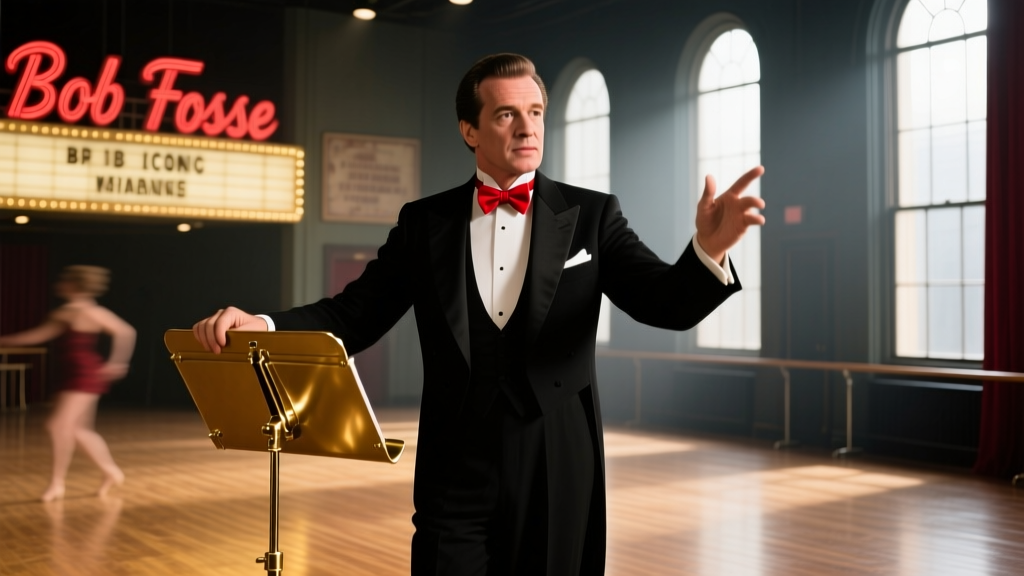
When analyzing the anatomy of a perfect personal brand, digital marketers often look to modern influencers. However, the most potent case study in unmistakable identity belongs to a man who never used a smartphone: Bob Fosse. As a choreographer, dancer, and director, Fosse did not just create routines; he engineered a visual language so distinct that a single silhouette of a tilted bowler hat and a turned-in knee instantly communicates his name. For creators looking to craft a memorable Instagram bio and cohesive profile, studying the Bob Fosse brand offers a masterclass in visual consistency, niche domination, and legacy building. Let us break down how his real-world aesthetic translates into actionable personal branding strategies for your own social media presence.
The Architect of Movement: Bob Fosse's Career Highlights
Before dissecting his brand, it is crucial to understand the foundation of his authority. Robert Louis Fosse was not merely a participant in the entertainment industry; he was a disruptive force who redefined American musical theater and cinema. He remains the only individual to win the Oscar, Emmy, and Tony awards in the same year (1973), a testament to his unparalleled work ethic and distinct creative vision.
His stageography includes revolutionizing dance in productions like The Pajama Game, Damn Yankees, Chicago, and Pippin. On screen, he directed cinematic masterpieces such as Cabaret (1972), Lenny (1974), and the deeply autobiographical All That Jazz (1979). Fosse’s brand was built on the back of relentless output and a refusal to compromise his unique, gritty, and sexually charged vision of the world. This unwavering commitment to a specific point of view is the bedrock of any strong personal brand.
Quick Facts: The Man Behind the Bowler Hat
| Full Name | Robert Louis Fosse |
|---|---|
| Born | June 23, 1927 (Chicago, Illinois) |
| Died | September 23, 1987 (Washington, D.C.) |
| Nationality | American |
| Known For | Choreography, Film & Stage Direction, The 'Fosse' Style |
| Major Awards | Academy Award, 2x Primetime Emmys, 9x Tony Awards (PEGOT) |
| Legacy Socials | @bobfosseofficial (Instagram) |
The 'Fosse' Aesthetic: A Masterclass in Visual Identity
In personal branding, we talk about 'brand assets'—the colors, fonts, and motifs that make a profile instantly recognizable. Bob Fosse created physical brand assets through human movement. His choreography was characterized by specific, repeatable motifs: turned-in knees, rolled shoulders, snapped fingers, jazz hands, and the strategic use of props like bowler hats, white gloves, and chairs.
Why did he develop this style? Part of it was born from physical limitation. Fosse was not a classical dancer with perfect turnout or towering height. Instead of hiding his physical realities, he leaned into them, creating a sultry, grounded, and highly stylized aesthetic that turned perceived weaknesses into a signature brand. For modern creators, this is a profound lesson: your unique quirks, limitations, and specific tastes are not liabilities; they are the raw materials for your personal brand's visual identity.
When you look at a Fosse production, the lighting is often stark, utilizing high-contrast shadows and isolated spotlights. This visual minimalism ensured that the audience focused entirely on the movement. On social media, this translates to the importance of a clean, uncluttered visual grid and a bio that cuts through the noise with stark, impactful statements rather than wordy, confusing paragraphs.
Social Media Presence: Managing a Legacy Brand
Because Fosse passed away in 1987, he never curated an Instagram feed. However, the management of his estate and the @bobfosseofficial Instagram account provides a brilliant case study in legacy branding. The account serves as a digital museum, a promotional hub for revivals of Chicago and Pippin, and an educational resource for dancers.
Analyzing the account's bio and structure reveals several key strategies:
- The Name Field: The profile utilizes the exact SEO-friendly name 'Bob Fosse' rather than a clever pun, ensuring that anyone searching for his choreography or estate finds the verified hub immediately.
- Social Proof in the Bio: The bio often highlights his PEGOT status or features a rotating, hard-hitting quote from the man himself. This establishes immediate authority and sets the tonal expectation for the page.
- The Link-in-Bio Strategy: Rather than linking to a single destination, the estate uses a centralized link hub to direct traffic to the Bob Fosse Foundation, streaming platforms hosting his films, and ticketing sites for global stage revivals. This maximizes the utility of their single clickable link.
- Visual Consistency: The grid relies heavily on archival black-and-white photography, punctuated by the neon accents reminiscent of the Cabaret and All That Jazz posters. This strict adherence to a color palette maintains the 'Fosse' mood, even when promoting modern events.
The engagement on these legacy posts is driven by the global dance community. By sharing isolated clips of iconic routines like the 'Steam Heat' number or the 'Rich Man's Frug,' the account provides high-value, shareable content that encourages modern dancers to stitch, remix, and react, keeping the brand relevant to Gen Z creators.
Personal Branding Takeaways for Your Own Bio
How do we translate the genius of a mid-century choreographer into an actionable Instagram bio and profile strategy for today's digital landscape? Here are the core takeaways from the Bob Fosse case study:
1. Define Your 'Brand Markers'
Fosse had the bowler hat and the white gloves. What are your digital equivalents? In your Instagram bio, use specific emojis, formatting styles, or recurring keywords that act as your signature. If you are a tech reviewer, maybe your brand marker is a specific neon color palette and a lightning bolt emoji. If you are a copywriter, perhaps it is a distinct, punchy sentence structure. Own your markers and repeat them across your bio, highlight covers, and post captions until they become synonymous with your name.
2. Lean Into Your Unique Limitations
Fosse could not dance like Gene Kelly, so he invented a style that required a different kind of genius. When writing your bio, do not try to sound like the established giants in your niche. Highlight your unique angle. If you are a self-taught coder rather than a CS grad, make that your hook: 'Building apps without the degree. Self-taught dev sharing the raw reality of code.' Authenticity born from your specific journey is vastly more compelling than a generic, polished facade.
3. Master the Art of the Spotlight (Bio Formatting)
Fosse used spotlights to eliminate distractions and focus the audience's eye on a single, powerful movement. Your Instagram bio has a 150-character limit. Do not waste it on filler. Use line breaks to create a 'spotlight' effect on your most important value proposition. Use bullet points or vertical bars (|) to separate credentials. Make your bio visually digestible in less than two seconds.
4. Build a Link Hub for Multiple 'Productions'
Just as the Fosse estate must manage films, stage rights, and charity work, you likely have multiple facets to your personal brand. Use a tool like Linktree or a custom landing page to direct your audience to your portfolio, your newsletter, your podcast, and your latest project. Your bio link is the marquee outside your theater; make sure it advertises everything you have playing inside.
5. Cultivate Legacy Over Trends
While Fosse's work feels timeless, it was often considered edgy and controversial in its day. He focused on the work, not on chasing the fleeting trends of the 1970s. When building your personal brand, focus on evergreen value. Share deep insights, comprehensive case studies, and high-quality tutorials that will be just as relevant in five years as they are today. A bio that promises 'timeless strategies' or 'archival resources' attracts a dedicated, long-term following.
Sources and Further Reading
To dive deeper into the life, work, and branding genius of this iconic director, the following resources were consulted and are highly recommended for any student of personal identity and creative direction:
- Wasson, Sam. Fosse: The Biography. Houghton Mifflin Harcourt, 2013. (A comprehensive look at how Fosse's personal life and artistic vision merged into a singular brand).
- The Bob Fosse Foundation. Official archives and legacy management strategies available via bobfosse.com.
- Playbill Archives. Historical analysis of Fosse's stageography and the marketing of his distinct visual style in Broadway promotional materials.