When studying the extremes of personal branding, the case of Bobby Driscoll offers one of Hollywood’s most profound and tragic lessons. As Walt Disney’s first major live-action child star and the definitive face and voice of Peter Pan, Driscoll’s early brand was synonymous with eternal youth. Yet, his inability to pivot that brand into adulthood led to a devastating personal collapse. Today, we analyze the Bobby Driscoll story not just as a historical biography, but as a critical case study in niche lock-in, legacy management, and the modern digital footprint of vintage icons on platforms like Instagram and TikTok content creation.
The Career Arc of Bobby Driscoll: A Filmography Case Study
To understand the brand, we must examine the product. Robert Cletus Driscoll was signed by Disney in the mid-1940s, quickly becoming the studio's premier child actor. His early career was a masterclass in cross-promotional branding. He starred in Song of the South (1946) and So Dear to My Heart (1948), establishing a wholesome, all-American boy-next-door persona. His dramatic range was validated outside the Disney bubble with a standout role in RKO's thriller The Window (1949), which earned him a special Academy Juvenile Award.
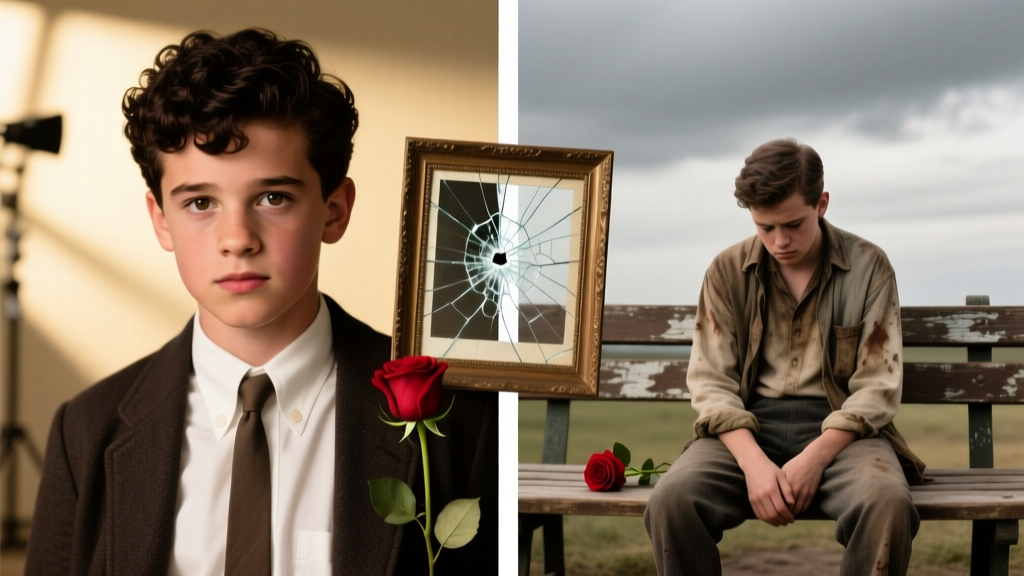
The pinnacle of his personal brand arrived with Treasure Island (1950) as Jim Hawkins, and the animated masterpiece Peter Pan (1953). For Peter Pan, Driscoll served as both the voice actor and the live-action motion reference. His brand and the character became entirely enmeshed in the public eye. However, as Driscoll hit puberty, his face changed, and severe acne broke out. Disney, a studio built on the curation of flawless, perpetual childhood, abruptly terminated his contract in 1953. Stripped of the corporate machine that managed his public identity, and heavily typecast as a child, Driscoll struggled to find adult roles. The brand had expired, and the person behind it was left without a roadmap for reinvention.
Quick Facts: The Boy Behind the Brand
| Attribute | Details |
|---|---|
| Full Name | Robert Cletus Driscoll |
| Born | March 3, 1937 (Cedar Rapids, Iowa) |
| Died | March 30, 1968 (New York City) |
| Known For | Voice/Motion Reference for Peter Pan, Jim Hawkins in Treasure Island |
| Key Awards | Academy Juvenile Award (1950) |
| Legacy Social Presence | @DisneyArchives, Fan-run Vintage Aesthetic Pages, True-Crime TikTok |
Bobby Driscoll in the Digital Era: Posthumous Social Media Presence
How do we analyze the social media presence and 'bio' of a star who passed away in 1968, long before the internet existed? In the modern era, Driscoll’s digital footprint is a fascinating study in posthumous branding, split between corporate legacy management and grassroots internet subcultures.
On Instagram, Bobby Driscoll’s brand lives on through vintage Hollywood aesthetic pages and Disney nostalgia accounts. Fan-run profiles dedicated to classic animation often use his likeness in their bios, leveraging the 'tragic Peter Pan' trope to build dark-academia or melancholic aesthetic themes. You will frequently see his stills from The Window or Peter Pan used in mood-board carousel posts, where his image is stripped of its corporate Disney context and repurposed as a symbol of lost youth and mid-century grit.
Meanwhile, on TikTok and YouTube, his 'posting style' is dictated by historical and true-crime creators. The mystery surrounding his death—dying penniless of heart failure in a NYC tenement and being buried in an unmarked pauper's grave on Hart Island before his identity was discovered a year later—has made him a recurring subject in digital storytelling. Creators use his story as a cautionary hook, generating millions of views. Consequently, Driscoll’s modern digital brand is highly fragmented: the official corporate brand remains sanitized and family-friendly, while the grassroots social media presence leans heavily into the gritty, tragic reality of his later years.
Personal Branding Takeaways for Modern Creators
While the landscape of social media is vastly different from the studio system of the 1950s, the psychology of audience attachment remains identical. Here is what modern influencers, actors, and digital creators can learn from the Bobby Driscoll case study to protect their own personal brands.
1. Avoid the Single-Attribute Bio Trap
Just as a modern influencer might pin a single viral Reel to their profile or define their entire Instagram bio around one niche (e.g., 'The 19-Year-Old College Dropout'), Disney pinned Bobby's 'eternal youth' to his public identity. When his physical reality changed, his brand broke because it lacked depth. The Takeaway: Ensure your social media bios and content pillars highlight your multifaceted personality. Include your hobbies, your values, and your off-camera interests so your audience connects with you, not just the character you play online.
2. Plan Your Pivot Strategy Before You Need It
Child stars are the ultimate example of creators who age out of their initial demographic. Driscoll was discarded because the studio had no pivot strategy for an aging Peter Pan. Today, we see this when Gen Z creators struggle to transition into their late twenties, or when gamers try to shift to lifestyle vlogging. The Takeaway: Introduce new content pillars gradually. If you are known for college comedy, start integrating career, finance, or travel content while you still have your core audience's attention. Evolve your bio and branding incrementally, not abruptly.
3. Separate the Persona from the Person
The most tragic element of Driscoll’s life was his inability to separate his self-worth from his Disney persona. When the applause stopped, he had no foundational identity to fall back on, leading to severe mental health and substance abuse struggles. The Takeaway: Brand burnout is real. The pressure to maintain a curated online persona can destroy the person behind the screen. Establish strict boundaries between your 'content creation hours' and your private life. Your Instagram bio might say 'Full-Time Creator,' but your personal identity must be rooted in relationships, hobbies, and values that exist entirely offline.
Conclusion: Preserving Your Authentic Brand
The story of Bobby Driscoll is a stark reminder that a personal brand built entirely on a single, temporary attribute is inherently fragile. Whether you are crafting the perfect Instagram bio, launching a YouTube channel, or managing a corporate legacy, the goal should always be sustainable authenticity. By planning for evolution, diversifying your identity, and prioritizing mental health, you can build a brand that not only survives the test of time but allows you to thrive behind the screen.