When building a personal brand, the modern instinct is to post daily across every available platform. However, the legacy of Bryant Gumbel proves that true authority often speaks through scarcity, prestige, and long-form excellence. As one of the most respected figures in American television journalism, Gumbel has cultivated a personal brand rooted in gravitas rather than viral trends. For professionals and creators looking to craft a bio and digital presence that commands immediate respect, studying the Bryant Gumbel approach offers a masterclass in institutional credibility. This case study explores how a legendary broadcaster maintains an elite personal brand without playing the traditional social media game, and how you can apply these prestige branding principles to your own professional profiles.
The Broadcasting Legacy of Bryant Gumbel
To understand Gumbel's personal brand, one must look past the concept of the 'influencer' and examine the traditional architecture of broadcast authority. Gumbel did not build his reputation through algorithmic engagement; he built it through decades of unflinching editorial judgment, meticulous preparation, and a signature on-camera presence that demanded attention. His brand is synonymous with serious inquiry. Whether interviewing world leaders on morning television or exposing corruption in collegiate athletics on premium cable, Gumbel's personal brand has always been anchored by a singular promise to the audience: uncompromising journalistic integrity. This consistency is the bedrock of any enduring professional bio.
Quick Facts: The Architect of Modern Sports Journalism
| Attribute | Details |
|---|---|
| Full Name | Bryant Christopher Gumbel |
| Born | September 29, 1948 (New Orleans, Louisiana) |
| Nationality | American |
| Known For | Host of NBC's 'Today', CBS's 'The Early Show', and HBO's 'Real Sports' |
| Primary Platform | HBO (Premium Cable / Long-form Broadcast) |
| Signature Brand Trait | Gravitas, Editorial Fearlessness, Prestige Scarcity |
Career Milestones in Broadcast Journalism
Gumbel's career trajectory provides a fascinating blueprint for brand evolution. He began his television career in the 1970s as a sportscaster in Los Angeles, quickly gaining a reputation for treating sports not merely as entertainment, but as a critical lens through which to view society, race, and business. This distinct perspective became his unique selling proposition (USP) in a crowded market of traditional play-by-play announcers.
In 1982, Gumbel was named co-anchor of NBC's Today show. During his 15-year tenure, he transformed the morning broadcast from a light, conversational format into a rigorous news program. His brand during this era was defined by high visibility and daily reliability. However, the most critical pivot in his personal branding occurred in 1995 when he launched Real Sports with Bryant Gumbel on HBO. By moving from daily network television to a monthly, long-form premium cable format, Gumbel intentionally shifted his brand from 'high-frequency accessibility' to 'low-frequency prestige.' This move allowed him to tackle complex, often controversial investigative stories, cementing his legacy as a serious journalist rather than just a television personality.
Social Media Presence: The 'Anti-Influencer' Approach
If you search for a personal, hyper-active Instagram or X (formerly Twitter) account run by Gumbel, you will come up empty-handed. In an era where professionals are told they must document every behind-the-scenes moment to stay relevant, Gumbel's digital footprint is a deliberate exercise in scarcity. His online presence is largely archival, managed by institutional platforms like HBO, sports networks, and news aggregators.
Why does this 'anti-influencer' strategy work so effectively for him? Because his target audience—industry peers, high-level executives, and dedicated sports fans—values substance over engagement bait. Gumbel understands that overexposure can dilute authority. By refusing to participate in the daily noise of social media hot takes, he maintains an aura of untouchable prestige. When Gumbel speaks, the industry listens precisely because he does not speak often. His 'bio' is not a 150-character social media caption; it is his four Peabody Awards, his numerous Emmys, and his induction into the Sports Broadcasting Hall of Fame. For professionals in law, finance, or executive leadership, this demonstrates that your digital footprint does not need to be loud to be powerful.
Deconstructing the Real Sports Brand Identity
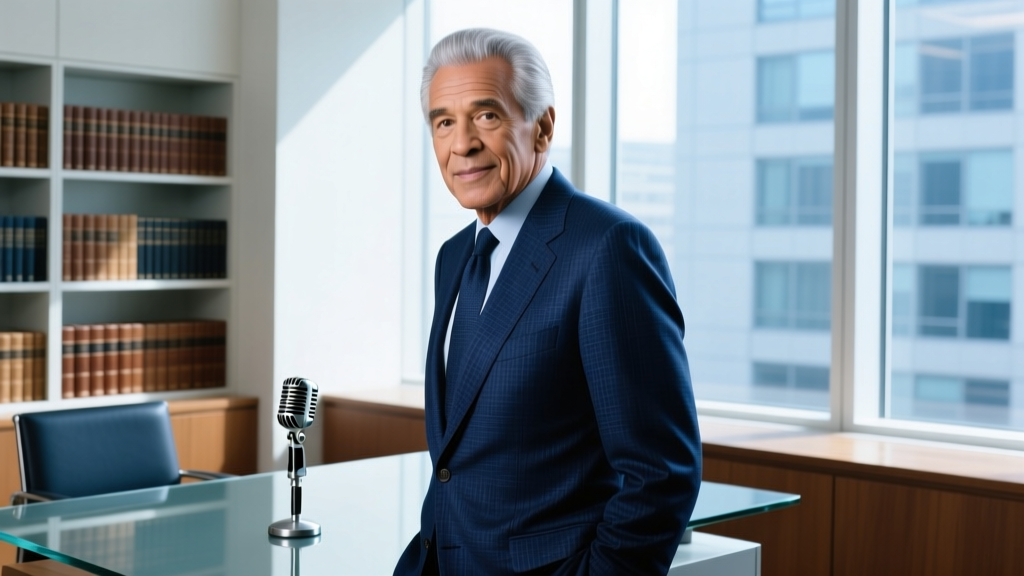
A personal brand is often inextricably linked to the vehicles through which it is delivered. The branding of Real Sports serves as a direct extension of Gumbel's personal ethos. The show's aesthetic—typically featuring a dark, minimalist set with Gumbel seated at a desk, delivering direct-to-camera monologues—strips away the flashy graphics and sensationalism of 24-hour sports networks. This visual restraint forces the audience to focus entirely on the weight of his words and the depth of the journalism.
Gumbel's signature sign-offs and his willingness to deliver scathing, unvarnished critiques of sports governing bodies (such as the NCAA or the NFL) created a brand identity built on fearlessness. He became the moral compass of sports journalism. This teaches a vital lesson in personal branding: having a distinct, recognizable point of view is infinitely more valuable than trying to appeal to everyone. By taking definitive stances on complex issues, Gumbel attracted a fiercely loyal audience that trusted his editorial judgment above all others.
Personal Branding Takeaways for Professionals
How can you apply the Bryant Gumbel case study to your own LinkedIn profile, personal website, or professional bio? Here are three actionable takeaways for building a prestige brand:
1. Optimize for Prestige Over Volume
Not every professional needs to be a daily content creator. If you are a consultant, an attorney, or a B2B founder, treat your LinkedIn profile like a premium broadcast. Instead of posting daily trivial updates, publish one deeply researched, long-form article per month. Let your bio highlight your institutional affiliations, your peer-reviewed work, or your major case studies. Scarcity signals value.
2. Your Signature Format is Your Bio
Gumbel's direct-to-camera editorial monologues became his trademark. Identify a signature format for your own professional communication. This could be a highly structured weekly industry newsletter, a specific way you open your podcast interviews, or a unique framework you use to present data to clients. When your audience knows exactly what kind of rigorous value to expect from your specific format, your personal brand becomes instantly recognizable.
3. Leverage Institutional Alignment
Gumbel's personal prestige was amplified by his alignment with HBO, a network synonymous with premium, uncompromised storytelling. When crafting your bio, strategically highlight the prestigious institutions, boards, or elite client rosters you have been associated with. You do not need to boast about your own greatness if you can demonstrate that highly respected organizations have trusted you with their most critical challenges.
Sources and Further Reading
- The New York Times - Coverage and retrospectives on the conclusion of HBO's Real Sports and Gumbel's impact on television journalism (2023).
- HBO Press Room - Archival data on Real Sports with Bryant Gumbel, including Peabody Award citations and Emmy recognitions.
- Poynter Institute - Editorial analysis of Gumbel's transition from morning network news to long-form investigative sports journalism.