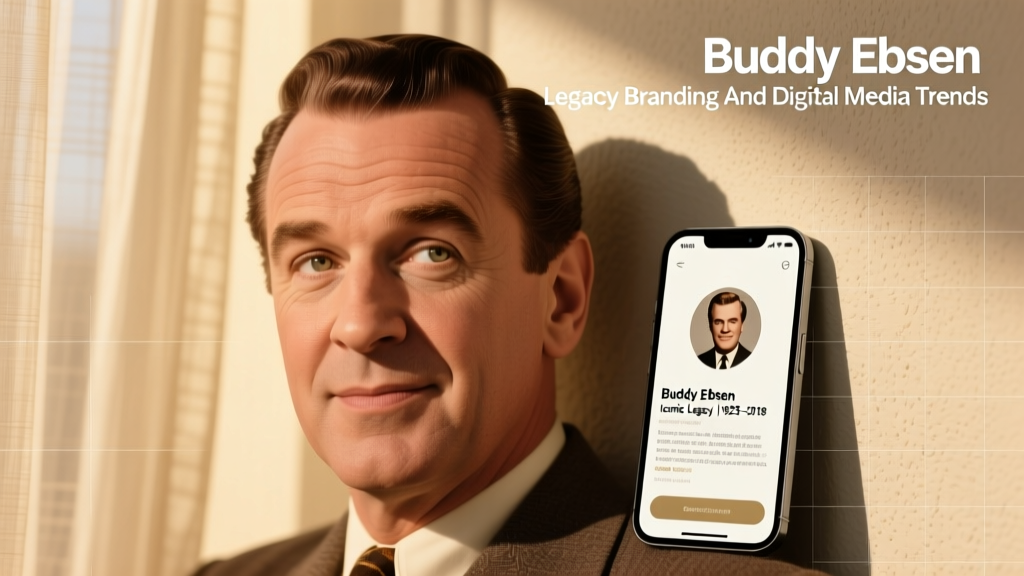
In the current landscape of personal branding, creators are often obsessed with fleeting virality and algorithmic trends. However, a fascinating trend report on digital longevity reveals that true brand power lies in timelessness, adaptability, and distinct visual signatures. When we analyze the enduring cultural footprint and digital afterlife of Buddy Ebsen, we uncover a masterclass in legacy branding. Though the beloved actor and dancer passed away in 2003, his personal brand remains a cornerstone of classic television aesthetics, heavily curated by fan archives, estate managers, and retro-media trends on platforms like TikTok and Instagram. For modern creators looking to build a bio and personal brand that withstands the test of time, examining how classic stars maintain relevance today offers invaluable, actionable lessons.
The Current Landscape: Vintage Aesthetics and Digital Legacies
The modern social media landscape has seen a massive resurgence in vintage television aesthetics. Hashtags like #ClassicTV, #RetroAesthetic, and #VintageHollywood generate billions of views across TikTok and Instagram Reels. Gen Z and Millennial users are actively romanticizing the mid-century television era, creating video essays, meme compilations, and aesthetic mood boards centered around iconic characters. In this trend report, we observe that actors who possessed a highly distinct visual brand—like Ebsen—are experiencing a digital renaissance. Unlike modern influencers whose brands are tied to fleeting internet micro-trends, classic stars benefit from what digital marketers call 'archive authority.' Their digital footprint is no longer driven by daily posting, but by the permanent, searchable nature of their cultural contributions. Understanding how this legacy is maintained provides a blueprint for creators who want to build a 'timeless' bio rather than a 'trendy' one.
Quick Facts: The Architect of Classic TV
Before diving into the branding analysis, it is essential to understand the foundational career metrics that built his enduring legacy. Below is a quick facts table outlining his biographical and digital footprint data.
| Attribute | Details |
|---|---|
| Full Name | Frank Franklin Ebsen |
| Born | April 2, 1908 (Belleville, Illinois) |
| Died | July 6, 2003 (Torrance, California) |
| Nationality | American |
| Known For | Jed Clampett (The Beverly Hillbillies), Barnaby Jones, George Russel (Davy Crockett), Original Tin Man (The Wizard of Oz) |
| Digital Footprint | Estate-managed archives, Fan-curated Instagram/TikTok tributes, TCM & IMDB legacy profiles |
Deconstructing the Buddy Ebsen Brand: Signature Aesthetics
To understand the Buddy Ebsen brand, we must look at his unparalleled ability to pivot while maintaining core authenticity. His career is a case study in visual branding and niche authority. Ebsen originally gained attention as a dancer and was famously cast as the original Tin Man in MGM’s The Wizard of Oz (1939). However, he suffered a near-fatal allergic reaction to the aluminum dust used in the makeup. This early career setback highlights a crucial branding lesson: resilience and the willingness to walk away from a toxic environment (literally and figuratively) to protect your long-term health and brand viability.
Ebsen’s true branding breakthrough came in the 1950s when he played George Russel, the loyal sidekick to Fess Parker’s Davy Crockett. This established his brand archetype: the dependable, folksy, and deeply authentic companion. But it was his role as Jed Clampett in The Beverly Hillbillies (1962–1971) that cemented his visual signature. The unkempt beard, the worn hat, and the physical comedy created an instantly recognizable silhouette. In personal branding, a 'visual signature' is a shortcut to audience recognition. Ebsen’s silhouette was so distinct that it transcended the show itself, becoming a permanent fixture in American pop culture.
Yet, his most impressive branding feat was the pivot to Barnaby Jones (1973–1980). Transitioning from a comedic, backwoods hillbilly to a serious, meticulous, milk-drinking private detective could have caused severe audience whiplash. Instead, it worked brilliantly. Ebsen leaned into his natural demeanor—soft-spoken, observant, and unassuming. He proved that a strong personal brand can survive a massive niche pivot if the core authenticity of the creator remains intact. He didn't try to be a hard-boiled, aggressive detective; he adapted the detective genre to fit his established, gentle persona.
Social Media Presence: Estate Management and Fan Curation
Because Ebsen passed away before the advent of modern social media, he does not have an active, personal Instagram or TikTok account. However, his 'Social Media Presence' in the current landscape is a prime example of the 'Archive Bio' trend. Today, a celebrity's digital footprint is managed through a combination of estate curation, institutional archives, and decentralized fan communities.
On platforms like Instagram, fan-run archive accounts serve as the de facto social media presence for legacy stars. These accounts utilize highly structured bios, often linking out to IMDB, Turner Classic Movies (TCM), and digital museums. They use consistent vintage filters, mid-century typography, and chronological storytelling to curate his life's work. The engagement on these posts reveals a key trend: audiences crave nostalgia and historical context. Comments sections on Ebsen-related reels are filled with multi-generational discussions, where grandparents share memories of watching The Beverly Hillbillies with their grandchildren.
Furthermore, institutional platforms like the Television Academy Foundation and TCM act as the ultimate 'link-in-bio' for legacy figures. Their digital profiles serve as comprehensive, verified bios that outrank unauthorized fan pages in search engines. For modern creators, this highlights the importance of securing your digital real estate on authoritative industry platforms, ensuring that your professional bio is preserved in high-domain-authority archives.
Personal Branding Takeaways for Your Own Bio
What can modern creators, entrepreneurs, and influencers learn from the digital afterlife and career trajectory of this classic Hollywood icon? Here are the core personal branding takeaways you can apply to your own social media bios and profile strategies today:
1. Cultivate a Distinct Visual Signature
Just as Ebsen had the Clampett beard and Barnaby’s glasses, your social media profile needs a visual anchor. Whether it is a specific color palette, a signature accessory, or a consistent photography style, your profile picture and grid should offer an immediate visual cue that tells the audience who you are before they read a single word of your bio.
2. Build an 'Archive-Ready' Bio
Stop treating your Instagram or LinkedIn bio as a temporary billboard for your latest fleeting trend. Treat it as a permanent archive. Use your bio to link to evergreen content, a central portfolio, or a digital garden that showcases your best, most timeless work. Build a digital footprint that will still make sense and provide value five years from now.
3. Master the Art of the Authentic Pivot
If you need to change your niche or rebrand your business, do not abandon your core personality. Ebsen successfully transitioned from comedy to drama by leaning into his natural, observant traits. When updating your bio for a career pivot, frame your new direction as an evolution of your existing strengths, rather than a complete erasure of your past.
4. Leverage Nostalgia and Storytelling
The current trend report on social media engagement shows that 'behind-the-scenes' and 'origin story' content performs exceptionally well. Use your bio and pinned posts to tell the story of your resilience. Ebsen’s survival of the Tin Man makeup allergy is a legendary Hollywood story that adds depth to his legacy. Share your own 'overcoming adversity' milestones in your extended bio or website to build deeper parasocial connections with your audience.
5. Plan for Digital Longevity
Consider how your brand will be perceived long-term. Estate management and digital legacy planning are becoming critical components of personal branding. Ensure your digital assets, domain names, and major platform handles are secured and documented, allowing your brand's legacy to be curated respectfully by those you trust in the future.
Sources: