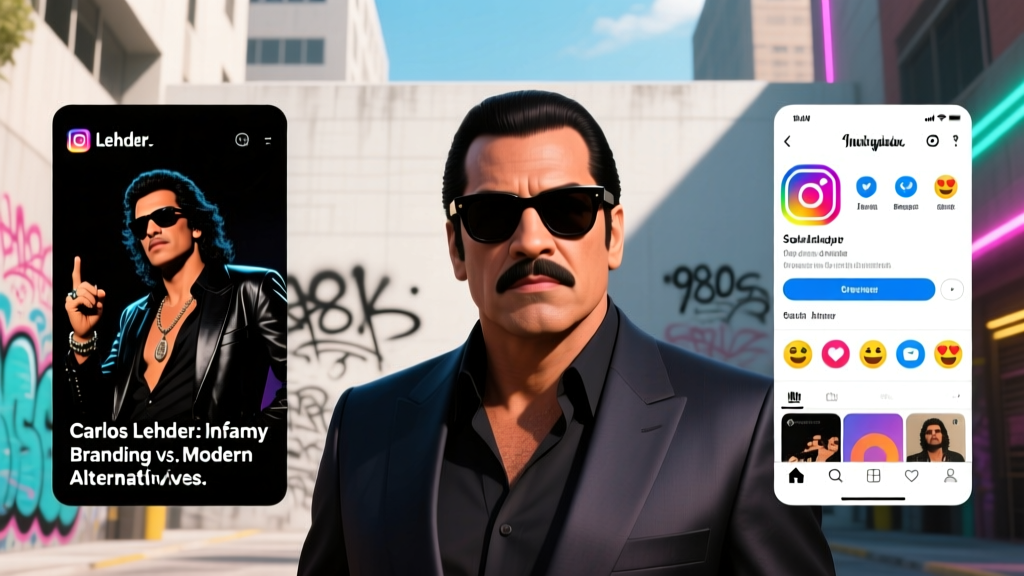
When analyzing the personal branding of historical figures, few present a more complex case study than Carlos Lehder. Long before the advent of Instagram, TikTok, or personal websites, Lehder crafted a larger-than-life persona that blended political revolutionary, rockstar, and criminal mastermind. Today, digital branding is about controlling your narrative in 150 characters or less. But how does the 'brand' of a notorious historical figure compare to the modern alternatives available for individuals with controversial, high-risk, or 'edgy' pasts? At lovemebio.com, we study all forms of personal presentation. By deconstructing the myth-making of the Medellín Cartel's co-founder, we can uncover vital lessons on narrative control, the dangers of the 'outlaw' aesthetic, and the alternative bio strategies used by modern figures seeking redemption.
Quick Facts: The Architect of Norman's Cay
| Attribute | Details |
|---|---|
| Full Name | Carlos Enrique Lehder Rivas |
| Born | September 7, 1949 (Armenia, Colombia) |
| Nationality | Colombian-German |
| Known For | Co-founding the Medellín Cartel; pioneering fixed-wing aircraft cocaine smuggling; creating Norman's Cay. |
| Digital Footprint | Ghost Protocol (No official social media); legacy managed via documentaries, fan archives, and historical media. |
| Current Status | Released from US prison (2020); residing privately in Germany. |
The Carlos Lehder Brand: Myth-Making Without Social Media
Carlos Lehder did not have an Instagram bio, but he understood the power of a personal brand better than most modern influencers. In the late 1970s and 1980s, your 'bio' was not a digital text field; it was your reputation, your physical assets, and your press coverage. Lehder actively cultivated the persona of a counter-culture hero. He famously compared himself to John Lennon, framing his illicit empire not as mere greed, but as an anti-imperialist crusade against the United States. He even attempted to launch a political movement in Colombia, distributing cash to the poor to build a 'Robin Hood' brand identity.
His ultimate 'link in bio' was Norman's Cay, a private island in the Bahamas. In the modern digital landscape, influencers use link-trees to direct followers to their most valuable assets. Lehder used a physical paradise to project power, wealth, and invincibility. However, because he lacked direct-to-consumer digital channels, his brand was eventually hijacked by the media, law enforcement, and later, Hollywood. Shows like Netflix's Narcos and countless true-crime podcasts now control his digital footprint. His 'social media presence' today consists entirely of fan-run tribute pages, Wikipedia edits, and algorithmic YouTube documentaries. He is a ghost in the digital machine, proving that if you do not control your own digital narrative, the public will write it for you.
Comparison: Historical Infamy vs. Modern Digital Alternatives
How does Lehder’s unrepentant, mythological branding compare to the way modern figures with controversial pasts present themselves online? Today, individuals exiting high-stakes, illicit, or heavily scrutinized industries have distinct 'alternatives' when crafting their social media bios. Let's compare Lehder's historical approach to modern digital strategies.
1. The 'Outlaw' Aesthetic (The Lehder Approach)
Lehder embraced the villain/revolutionary role. In modern social media, we see watered-down versions of this in 'hustle culture' bios. Entrepreneurs and crypto-influencers often use phrases like 'Rule Breaker,' 'Disruptor,' or 'I do what they say is impossible.' While Lehder’s outlaw brand generated immense fear and fascination, applying this to a modern professional bio often comes across as arrogant or untrustworthy. The 'outlaw' brand works for selling rap albums or true-crime documentaries, but it destroys B2B trust and long-term networking potential.
2. The 'Redemption & Educator' Alternative
Unlike Lehder, who remained defiant, many modern figures with criminal pasts use their social media bios to pivot toward education. Former hackers, reformed cartel members, and ex-convicts use Instagram and YouTube to warn others. Their bios typically follow a specific formula: 'Former [Controversial Role] | Now helping [Target Audience] avoid my mistakes.' This alternative strategy leverages past infamy for authority but anchors the brand in present-day value and societal contribution. It transforms a red flag into a unique selling proposition.
3. The 'Ghost Protocol' Alternative
Since his release from US prison in 2020 and subsequent relocation to Germany, Lehder has adopted the ultimate alternative: total digital silence. For modern individuals who have survived intense public scrutiny, the 'Ghost Protocol' bio is a strategic choice. They use minimalist, private accounts with no bio, no profile picture, and zero posts. In a world of oversharing, absolute digital absence can project a powerful aura of exclusivity and peace, signaling that the individual no longer requires public validation.
Alternative Bio Strategies: The Redemption Pivot
If you are a lovemebio.com reader who has navigated a controversial career path, a messy public past, or a radical industry pivot, you cannot rely on the Carlos Lehder method of unrepentant myth-making. You need an alternative bio strategy that facilitates a 'Redemption Pivot.' Here is how to structure a bio that acknowledges a complex past while securing future opportunities:
- The 'Bridge' Technique: Use your bio to bridge your past skills with your current ethics. For example, a former aggressive litigator pivoting to mediation might use: 'Former courtroom fighter | Now building bridges as a certified mediator.'
- Owning the Scar: Modern audiences value authenticity over perfection. Instead of hiding a controversial past, frame it as the source of your current wisdom. 'Survived the startup crash of '22 | Teaching founders how to build bulletproof equity.'
- Future-Facing Keywords: Lehder’s brand was trapped in his present actions. Your bio must be future-facing. Use verbs that indicate growth, building, and helping, rather than just 'disrupting' or 'conquering.'
Personal Branding Takeaways: Lessons from the Cartel Era
Analyzing the historical footprint of Carlos Lehder provides stark, high-stakes lessons for anyone crafting a personal brand today. Whether you are building a LinkedIn profile, an Instagram portfolio, or a personal website, the mechanics of reputation remain unchanged.
1. Control Your Digital Real Estate Early: Lehder let journalists, DEA agents, and Netflix showrunners define his legacy because he lacked direct communication channels. Today, you have no excuse. Claim your domain, optimize your social bios, and publish your own thoughts. If you leave your digital real estate empty, algorithms and critics will fill it for you.
2. The Danger of the 'Robin Hood' Complex: Lehder tried to buy a positive brand identity by giving away money, but his core actions contradicted his messaging. In the modern era, consumers and followers are highly adept at spotting hypocrisy. Your bio must align with your actual digital behavior. You cannot claim to be a 'community builder' in your Instagram bio if your comments section is toxic.
3. Infamy is a Dead-End Metric: Lehder achieved global name recognition, but it resulted in a 33-year prison sentence and permanent exile. In the attention economy, it is easy to chase viral infamy through controversy. However, a sustainable personal brand requires trust, not just awareness. Use your bio to highlight your reliability, your craft, and your value to others, rather than relying on shock value.
Ultimately, the story of Carlos Lehder is a masterclass in the power of a strong persona, but a cautionary tale about the ultimate cost of a brand built on destruction. Use these historical comparisons to craft a modern bio that builds bridges, not empires of sand.