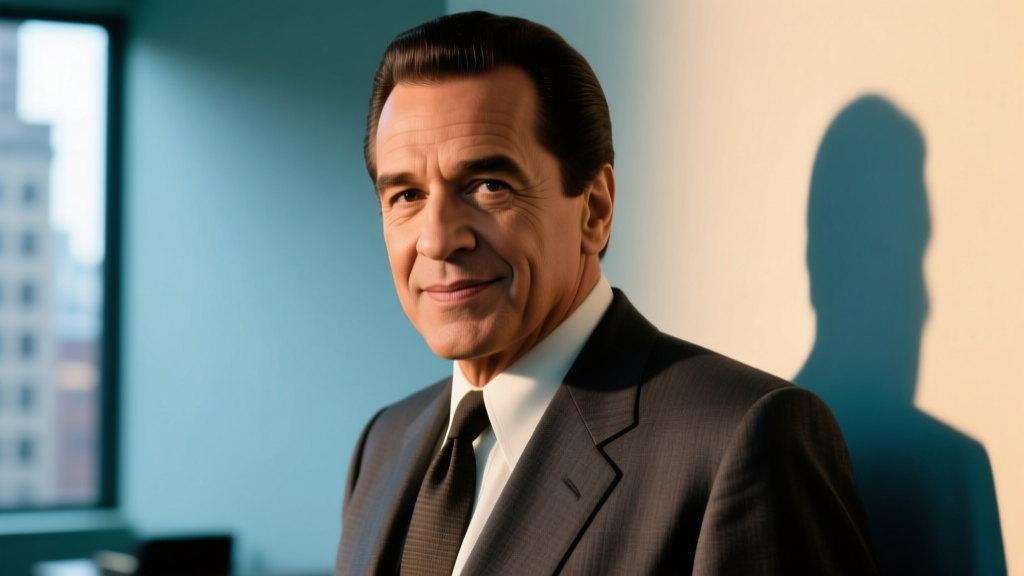
When Martin Scorsese cast a then-unknown Cathy Moriarty as Vickie LaMotta in the 1980 cinematic masterpiece Raging Bull, he didn’t just launch a career; he introduced Hollywood to a force of nature. Earning an Academy Award nomination at just 20 years old, Moriarty established herself as a gritty, authentic talent with an undeniable screen presence. But how does a legendary, old-school New York actor navigate personal branding in the modern digital era? Unlike contemporary influencers who document every meal and thought, Moriarty’s approach to her public image offers a masterclass in mystique, portfolio-driven branding, and the power of letting your work speak for itself. In this comprehensive deep dive, we explore the career of Cathy Moriarty and extract actionable personal branding lessons you can apply to your own social media bios and digital presence.
Quick Facts: The Cathy Moriarty Dossier
| Attribute | Details |
|---|---|
| Full Name | Catherine Moriarty |
| Born | November 29, 1960 (The Bronx, New York) |
| Nationality | American |
| Known For | Raging Bull, Casino, Soapdish, Law & Order: SVU |
| Social Media Handles | Highly Private (No official verified personal Instagram or X accounts) |
Career Highlights & Filmography
To understand Cathy Moriarty’s personal brand, one must first understand the foundation of her work. Her brand is not built on viral tweets or curated lifestyle vlogs; it is built on a multi-decade filmography that showcases incredible range and resilience.
The Scorsese Breakthrough
Moriarty’s debut in Raging Bull (1980) remains one of the most astonishing acting introductions in film history. Holding her own opposite Robert De Niro, she captured the exhaustion, loyalty, and tragic trajectory of Vickie LaMotta. This role permanently cemented her brand identity: raw, unfiltered, and deeply authentic. She wasn't a manufactured Hollywood starlet; she was a real woman from the Bronx with immense talent.
Genre Versatility in the 80s and 90s
Following a brief hiatus due to health issues, Moriarty returned to the screen with a vengeance, proving her versatility. She showcased brilliant comedic timing in the cult classic Soapdish (1991) and delivered a memorable, scene-stealing performance in Martin Scorsese’s Casino (1995) as Ginger McKenna’s tough-talking friend. This era of her career proved that her brand was adaptable, capable of shifting from intense drama to sharp, satirical comedy without losing her signature edge.
Television Renaissance and Authority
In the 2000s and beyond, Moriarty transitioned into a highly respected television presence. Her recurring roles on prestige and network TV, including playing a formidable judge on Law & Order: SVU and appearing in The Sopranos, shifted her brand from "rising star" to "authoritative veteran." When audiences see Cathy Moriarty on screen today, they immediately associate her with gravity, command, and undeniable professionalism.
Cathy Moriarty’s Social Media Presence & Digital Mystique
If you search for Cathy Moriarty on Instagram, TikTok, or X (formerly Twitter), you will notice a distinct lack of verified, personal accounts. In an industry where actors are often told they must build a massive digital following to remain relevant, Moriarty’s digital absence is a fascinating case study in personal branding through scarcity.
The Power of the Quiet Brand
Moriarty’s lack of a personal social media footprint is not a failure of modern marketing; it is a reflection of her core brand identity. She is an old-school actor. Her "bio" is not a 150-character Instagram caption; her bio is her IMDb page. By refusing to overshare, she maintains an aura of mystique that is incredibly rare in today’s hyper-connected world. When she does appear in interviews or at film anniversary panels, the audience is fully engaged because her appearances are rare and focused entirely on her craft, not her personal life.
Fan-Curated Archives
While Moriarty herself may not be posting daily selfies, her digital presence is kept alive by a dedicated ecosystem of fan pages, film historians, and studio archives. Pages dedicated to classic cinema and Scorsese films frequently post high-quality, archival photos of her from the Raging Bull era. This user-generated and studio-generated content acts as a digital portfolio, proving that you don't always have to be the one holding the camera to maintain a powerful digital footprint. Your community and your past work can curate your brand for you.
Personal Branding Takeaways: Lessons from a Hollywood Veteran
What can a freelance graphic designer, a real estate agent, or an aspiring author learn from an actress who doesn't even have a verified Instagram account? As it turns out, quite a lot. Here are the core personal branding takeaways from the Cathy Moriarty playbook that you can apply to your own social media profiles and bios.
1. Let Your Portfolio Be Your Bio
Moriarty’s legacy proves that your work is the ultimate branding tool. If you are a creative professional, stop agonizing over crafting the perfect, witty Instagram bio. Instead, use your bio space to direct people to a clean, well-organized portfolio link. Your social media grid should act as a gallery of your best work, not a diary of your daily meals. Actionable Tip: Use a tool like Linktree or a personal website in your bio, and ensure your pinned posts are high-value case studies or testimonials, not personal musings.
2. Leverage the Scarcity Principle
In economics, scarcity drives value. The same applies to personal branding. When you post five times a day, your audience becomes numb to your presence. Moriarty’s digital mystique teaches us that being selective about what you share makes the moments you do share much more impactful. Actionable Tip: Audit your posting schedule. Cut out the low-value "filler" content. Post less frequently, but ensure every piece of content provides immense value, showcases your expertise, or tells a compelling story about your professional journey.
3. Cultivate an Authoritative Persona
As Moriarty transitioned into her later career, she naturally adopted the persona of an authority figure (literally playing judges and seasoned detectives). You can engineer this same perception in your own niche. You don't need to be loud to be authoritative. Actionable Tip: Update your LinkedIn and Twitter/X bios to highlight your years of experience, major projects, or specific methodologies. Use a professional, high-quality headshot, and write your bio in a confident, declarative tone rather than using self-deprecating humor.
4. Stay True to Your Authentic Roots
Cathy Moriarty never tried to morph into a typical Hollywood socialite. She maintained her Bronx roots, her distinct voice, and her grounded perspective. Audiences and casting directors respect her because she is unapologetically herself. In the digital space, trying to mimic the aesthetic of a completely different industry or personality type will only lead to burnout and audience disconnect. Actionable Tip: Write your social media bio in your actual speaking voice. If you are naturally humorous, let that shine. If you are serious and analytical, don't force slang or emojis into your profile just to fit a trend.
Conclusion
Cathy Moriarty’s career is a testament to the fact that true talent and authenticity never go out of style. While the digital landscape demands constant noise, Moriarty’s brand reminds us that sometimes the most powerful statement you can make is letting a legendary body of work speak for itself. By focusing on portfolio-driven branding, embracing digital scarcity, and staying true to your roots, you can build a personal brand that commands respect and stands the test of time—both on and off the screen.