Charles Edward Hugo, known globally as Chad Hugo, is a name that resonates deeply within the music industry, even if the general public does not always recognize his face. As one half of the legendary production duo The Neptunes and a founding member of the rock-rap band N.E.R.D., Chad Hugo has fundamentally altered the sonic landscape of hip-hop, pop, and R&B. Yet, because he prefers the shadows of the recording studio to the glare of the paparazzi, several myths have emerged about his career, his creative process, and his digital footprint. In this comprehensive profile, we explore the most frequent Chad Hugo FAQs, debunk common misconceptions about his role in The Neptunes, and analyze how a multi-Grammy-winning producer builds a personal brand rooted in quiet authority rather than viral fame.
Quick Facts: The Man Behind The Neptunes
| Attribute | Details |
|---|---|
| Full Name | Charles Edward Hugo |
| Born | February 24, 1974 (Portsmouth, Virginia) |
| Nationality | American |
| Known For | The Neptunes, N.E.R.D., Multi-instrumentalist production, Audio Engineering |
| Primary Instruments | Saxophone, Keyboards, Synthesizers, Drum Programming |
| Social Media Style | Minimalist, studio-focused, "anti-influencer" aesthetic |
The Sonic Architect: Production & Discography Highlights
To understand the personal brand of Chad Hugo, one must first understand his unparalleled discography. While his partner Pharrell Williams often served as the vocal hook writer and frontman, Hugo was the architectural backbone of their sound. A trained saxophonist and multi-instrumentalist, Hugo brought a deep understanding of music theory, jazz chord progressions, and analog sound design to the digital era of beat-making.
During the late 1990s and early 2000s, The Neptunes dominated global radio. Hugo's fingerprints are all over era-defining tracks like Kelis's "Milkshake," Snoop Dogg's "Drop It Like It's Hot," Justin Timberlake's "Rock Your Body," and Gwen Stefani's "Hollaback Girl." His signature style involved syncopated, stuttering drum breaks, unconventional synth patches (often manipulated on the Korg Trinity workstation), and sparse, futuristic arrangements that left room for the vocalist to breathe.
Beyond The Neptunes, Hugo's work with N.E.R.D. allowed him to explore alternative rock and funk. Albums like In Search Of... and Fly or Die showcased his live instrumentation skills, featuring his own saxophone solos and complex basslines. This duality—being both a digital beat programmer and a traditional analog instrumentalist—is the core of his professional identity and heavily influences how he presents himself to the world today.
Chad Hugo FAQs: Debunking Common Misconceptions
Because Hugo operates largely behind the scenes, the public has filled the information gap with assumptions. Let's address the most common Chad Hugo FAQs and separate fact from fiction.
Misconception 1: Pharrell Williams produces the beats alone.
The Reality: This is perhaps the most pervasive myth in modern pop music. While Pharrell is a melodic genius and a masterful vocal producer, Chad Hugo is the sound designer and engineering mind. In numerous studio breakdowns, engineers have noted that Hugo is responsible for the complex chord voicings, the live instrumentation, and the final mix engineering. He is the one tweaking the analog synthesizers and ensuring the low-end frequencies hit perfectly. They operate as a true 50/50 symbiotic partnership.
Misconception 2: Chad Hugo is retired or inactive in the music industry.
The Reality: Hugo never stopped working; he simply stopped chasing mainstream pop radio. In recent years, he has been highly active in the alternative, indie, and hip-hop spaces. He contributed to Brockhampton's critically acclaimed album GINGER, worked with singer-songwriter Priscilla Renea, and provided engineering and instrumental work that helped shape the modern R&B landscape. He also won a Grammy for his engineering and production contributions to Silk Sonic's massive hit album, proving his ear for vintage, pristine audio is as sharp as ever.
Misconception 3: He doesn't care about his personal brand or public image.
The Reality: Hugo cares deeply about his brand, but his brand is mystique and mastery. In an industry obsessed with visibility, Hugo has cultivated the persona of the "ghost in the machine." He understands that for a high-level audio engineer and producer, being perceived as a serious, uncompromising craftsman is far more valuable than being perceived as a celebrity. His lack of traditional self-promotion is, in itself, a highly deliberate branding strategy.
Social Media Presence: The "Anti-Influencer" Strategy
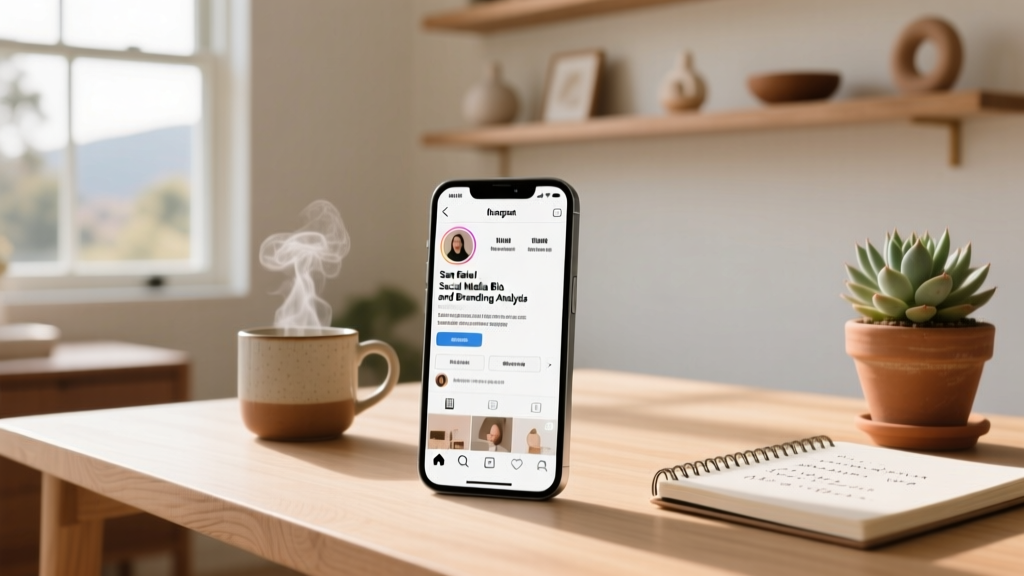
When you search for Chad Hugo on platforms like Instagram or X (formerly Twitter), you will not find the typical celebrity fare. There are no sponsored posts, no viral dance challenges, and no heavily filtered lifestyle photos. His digital footprint is intentionally minimalist, reflecting the mindset of an audiophile rather than an influencer.
Bio Analysis: When Hugo does maintain a profile, his bio is famously sparse. It typically lacks emojis, link-in-bio spam, or lengthy lists of accolades. Instead, it relies on title-based authority: simply stating "Producer / Multi-instrumentalist" or letting his association with The Neptunes speak for itself. This is a masterclass in confident branding. By stripping away the noise, he signals to industry insiders and hardcore fans that he is there strictly for the work.
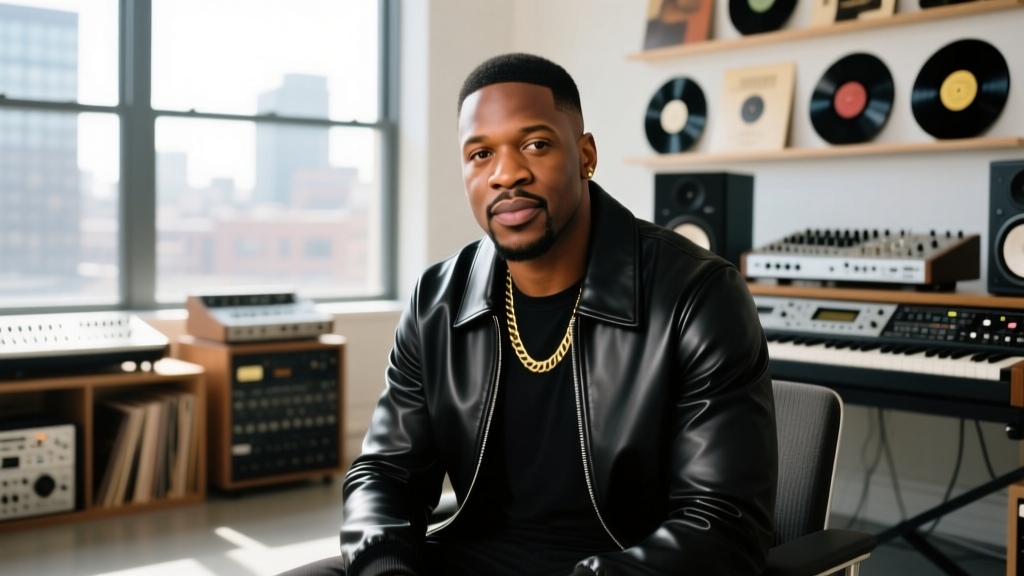
Content Strategy: His rare posts are almost entirely focused on the craft. Followers might see a close-up of a vintage SSL mixing console, a rare analog synthesizer, a microphone setup, or a glimpse of his saxophone. This "show, don't tell" approach builds immense trust and authority among his peers. He doesn't need to tell you he is a legendary producer; he shows you the tools of his trade, allowing his audience to validate his expertise based on his environment and workflow.
Personal Branding Takeaways for Your Own Profile
You don't need to be a Grammy-winning music producer to apply the Chad Hugo method to your own social media presence. Here are the key branding lessons you can adapt for your own Instagram bio and profile strategy:
- Embrace Minimalist Authority: If you are an expert in your field (e.g., a senior software engineer, a specialized graphic designer, or a financial consultant), your bio doesn't need to be cluttered with buzzwords. A clean, direct bio like "Systems Architect | Building scalable infrastructure" projects more confidence than a paragraph filled with emojis and exaggerated claims.
- Curate a "Proof of Work" Feed: Instead of using your grid solely for personal lifestyle content, dedicate a portion of your profile to your process. Show your workspace, the tools you use, or behind-the-scenes glimpses of your projects. Like Hugo showing his mixing boards, let your audience see the environment where your expertise happens.
- Leverage the "Silent Partner" Mystique: In collaborative industries, you don't always have to be the loudest voice in the room to be the most respected. Letting your portfolio, your clients, and your peers do the talking can create a powerful aura of exclusivity and high demand. Scarcity breeds value; posting less frequently but with higher, more specialized quality can make your updates highly anticipated by those who truly matter in your network.
- Ditch the Clutter: Remove outdated links, irrelevant hashtags, and desperate calls-to-action from your bio. If your work is strong enough, your name and your current professional title are all the hook a potential client or collaborator needs to reach out.
Sources & Further Reading
- Grammy.com: The Neptunes Artist Profile & Legacy - Official recording academy archives detailing the production credits and Grammy history of Chad Hugo and Pharrell Williams.
- NPR Microphone Check: Pharrell and Chad Hugo Interview - An in-depth audio interview exploring the creative dynamic, studio roles, and instrumental contributions of both members of The Neptunes.