When we study the foundations of personal branding, we often look to modern influencers or tech CEOs. However, the most compelling case study in mission-driven identity belongs to a 19th-century pioneer: Clara Barton. Long before Instagram bios or LinkedIn headlines, Barton crafted a public identity so powerful that it birthed the American Red Cross. By examining how her legacy is curated online today, and how her historical identity influenced millions, we can extract profound lessons for modern activists, nonprofit leaders, and purpose-driven professionals. Here is how the ultimate humanitarian mastered the art of the personal brand and legacy building.
Quick Facts: The Pioneer of Humanitarian Branding
| Attribute | Details |
|---|---|
| Full Name | Clarissa Harlowe Barton |
| Born | December 25, 1821 |
| Died | April 12, 1912 |
| Nationality | American |
| Known For | Founding the American Red Cross, Civil War nursing |
| Modern Digital Custodians | @RedCross, @NPS (Clara Barton National Historic Site) |
The Original 'Bio': Viral Branding in the 19th Century
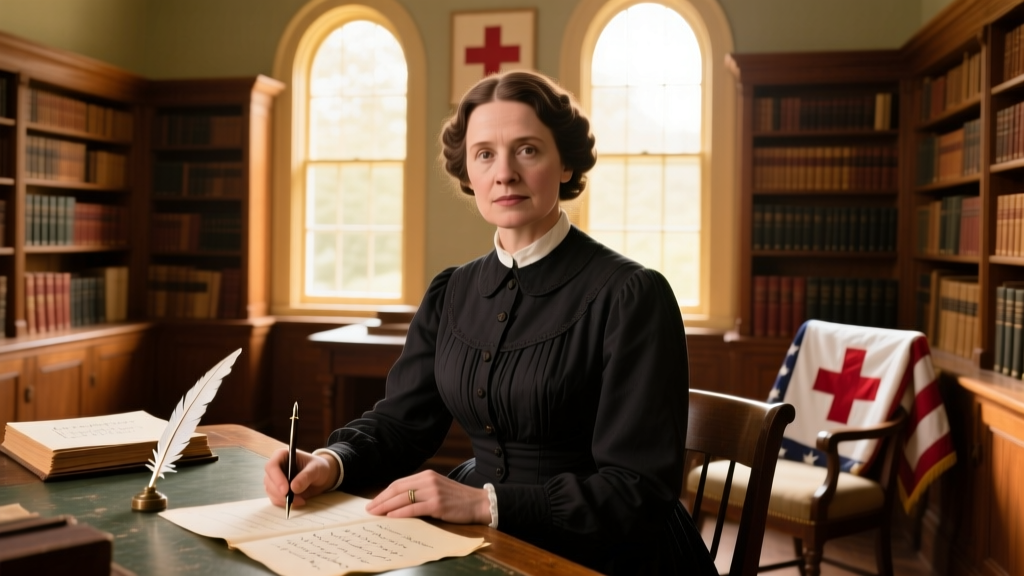
Clara Barton did not have a Twitter bio, but she possessed a defining mission statement that functioned exactly like a modern, highly-optimized profile. In an era where women were largely excluded from public life and professional spaces, Barton branded herself through undeniable, visible action. Her 'link in bio' was her physical presence on the front lines of the American Civil War.
The moniker 'Angel of the Battlefield' was not a self-appointed influencer title; it was a viral nickname earned through word-of-mouth and amplified by newspaper clippings—the 19th-century equivalent of retweets and shares. Barton understood a core tenet of modern personal branding: your reputation is built on the gap you fill for your community. When she saw soldiers dying from a lack of basic medical supplies, she didn't just advocate; she created a supply chain. Her personal brand was intrinsically tied to utility, empathy, and relentless execution. For modern professionals, this translates to a simple rule: your bio should not just state who you are, but clearly articulate the specific problem you solve for your audience.
Social Media Presence: Curating the Clara Barton Legacy Online
How do you manage the social media presence of a historical figure who passed away in 1912? You rely on institutional custodians to translate her historical brand into modern digital formats. Today, the digital footprint of Clara Barton is primarily managed by the American Red Cross and the National Park Service (NPS), offering a masterclass in legacy branding and archival social media strategy.
The American Red Cross (@RedCross)
On platforms like Instagram and X (formerly Twitter), the official Red Cross accounts frequently leverage Barton’s image and quotes to anchor their modern humanitarian mission. By juxtaposing sepia-toned archival photos of Barton in the 1880s with high-definition footage of modern disaster relief efforts, they create a powerful 'then and now' narrative. This strategy reinforces brand longevity and trust. When users read the Red Cross bio, they are implicitly reading the continuation of Barton's original mission statement. The branding here is authoritative, deeply emotional, and rooted in historical continuity.
The National Park Service (@NPS & Clara Barton National Historic Site)
The NPS manages Barton’s final home in Glen Echo, Maryland, utilizing Instagram and Facebook to share intimate details of her life. Their social media strategy focuses on 'showing the work.' Instead of just posting inspirational quotes, they share carousel posts featuring her handwritten letters, her early days as a Patent Office clerk, and the physical architecture of her Glen Echo home, which served as the first permanent headquarters of the American Red Cross. This approach humanizes a larger-than-life historical figure, proving that modern audiences crave behind-the-scenes authenticity, even when the subject has been gone for a century.
Case Study: Translating Historical Advocacy to Modern Profiles
To understand how Barton’s historical approach applies to modern bio optimization, let us look at a real-world case study comparing a standard nonprofit founder's bio to one utilizing the 'Barton Framework.'
The Standard Approach (Weak):
'Dreamer | Advocate | Trying to make the world a better place | Founder of CleanWater Initiative'
This bio is filled with generic filler. It lacks a specific mission, measurable impact, and a clear value proposition.
The Barton Framework Approach (Strong):
'Deploying clean water infrastructure to 50+ rural communities. Building the supply chains that keep families healthy. Founder @CleanWaterInitiative.'
This modern bio mirrors Barton’s directness and focus on logistics and tangible outcomes. It identifies the gap (water infrastructure), states the action (deploying/building), and provides a clear 'link in bio' destination.
Modern activists and NGO leaders who study Barton’s letters realize that her most persuasive writings were not overly emotional pleas; they were meticulous inventories of needs and actionable solutions. When crafting your own LinkedIn summary or Instagram bio, adopt this inventory mindset. Replace vague adjectives with active verbs and concrete metrics. Let your mission statement do the heavy lifting.
Personal Branding Takeaways for Your Bio
Whether you are a nonprofit leader, a healthcare professional, or an entrepreneur, the legacy of Clara Barton offers actionable takeaways for optimizing your digital presence today:
- Lead with Your Mission, Not Just Your Title: Barton was a teacher, a patent clerk, and a nurse, but her defining brand was her humanitarian mission. In your bio, prioritize the impact you make over the job titles you hold. Use the formula: [Action Verb] + [Target Audience] + [Tangible Result].
- Embrace Visual Consistency: The Red Cross emblem, championed by Barton in the United States, is one of the most recognized visual brands in human history. Ensure your profile picture, color palette, and highlight covers on Instagram maintain a cohesive, professional aesthetic that instantly signals your niche.
- Use Primary Sources (Show Your Work): Just as the NPS uses Barton’s handwritten letters to build authenticity, use your Instagram Stories and LinkedIn featured sections to share behind-the-scenes processes, raw data, and daily operations. Authenticity is built in the margins of your daily work.
- Let Your Community Name You: Barton didn't call herself the 'Angel of the Battlefield'; the soldiers did. Focus on delivering such undeniable value that your audience and clients become the ones who coin your professional reputation and testimonials.
Sources & Further Reading
- National Park Service: Clara Barton National Historic Site (nps.gov)
- American Red Cross: History and Heritage of Clara Barton (redcross.org)
- Clara Barton Birthplace Museum Archives (clarabartonbirthplace.org)