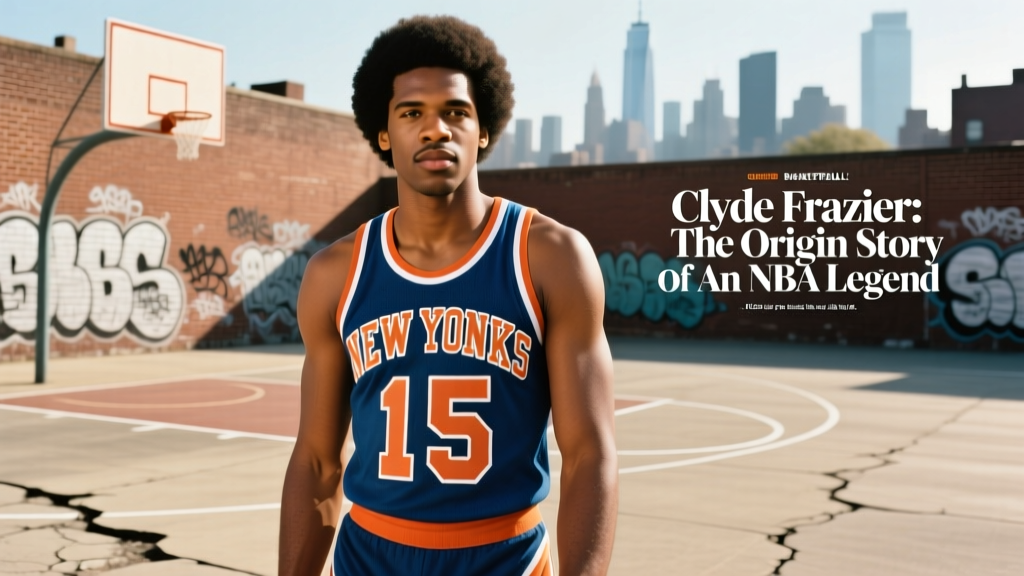
Long before social media influencers curated their aesthetics, Walt Frazier was defining cool. The Clyde Frazier basketball legacy isn't just about two NBA championships with the New York Knicks; it is about the birth of modern sports branding. From his wide-brimmed hats to his custom Rolls-Royce and iconic vocabulary, Frazier didn't just play the game—he packaged it with unparalleled swagger. At lovemebio.com, we study personal branding, and Frazier’s origin story is a masterclass in authenticity. Let us break down how a quiet kid from Atlanta transformed into the most stylish, recognizable voice in New York sports history.
The Atlanta Roots: Before the Clyde Persona
Walter Frazier was born on March 29, 1945, in Atlanta, Georgia. Growing up in the segregated South, he was a multi-sport standout, playing baseball, football, and basketball. However, it was his quiet demeanor and smooth playing style that initially set him apart. Frazier attended Southern Illinois University, where he was coached by Jack Hartman. It was here that his defensive tenacity and court vision began to crystallize. Yet, the origin of his legendary moniker did not happen on the hardwood; it happened in the locker room. During his rookie year with the Knicks in 1967, team trainer Danny Whelan noticed Frazier wearing a wide-brimmed fedora. Whelan remarked that he looked like Warren Beatty’s character in the hit movie Bonnie and Clyde. The nickname stuck, and Walt Frazier officially became Clyde, laying the foundation for a persona that would transcend sports.
Quick Facts: The Man Behind the Broad-Brimmed Hat
| Attribute | Details |
|---|---|
| Full Name | Walter Frazier |
| Born | March 29, 1945 (Atlanta, Georgia) |
| Nationality | American |
| Known For | 2x NBA Champion, NY Knicks Broadcaster, Puma Clyde Sneaker |
| Social Media Handles | @ClydeFrazier (X/Twitter), @waltfrazier (Instagram) |
| Hall of Fame | Inducted in 1987 |
Forging a Legacy: The Knicks Championship Years
The Clyde Frazier basketball timeline is anchored by his legendary tenure with the New York Knicks. Drafted fifth overall in the 1967 NBA Draft, Frazier quickly became the floor general for a team defined by grit and teamwork. His defining moment came during Game 7 of the 1970 NBA Finals against the Los Angeles Lakers. With Willis Reed limping onto the court to inspire the team, it was Frazier who took over the game. He recorded 36 points and 7 assists, but more importantly, he harassed Lakers center Wilt Chamberlain into a miserable shooting night, registering 5 steals in the first half alone. According to Basketball Reference, Frazier was a 7-time NBA All-Star, a 4-time All-NBA First Team selection, and a 7-time NBA All-Defensive First Team honoree. He secured his second championship in 1973, cementing his status as one of the greatest point guards and perimeter defenders in the history of the sport.
The Puma Clyde: Birth of a Sneaker Icon
You cannot discuss Frazier's personal brand without mentioning footwear. In 1973, Puma approached Frazier to create a signature basketball shoe. The resulting Puma Clyde was revolutionary. Unlike the high-top canvas shoes of the era, the Clyde was a low-top, wide, and incredibly stylish suede sneaker. It was designed to match Frazier's off-court wardrobe as much as his on-court agility. The Puma Clyde became the first basketball shoe to successfully cross over into streetwear and fashion, a testament to Frazier's cultural impact. As noted by Puma Heritage, the shoe remains a staple in sneaker culture today, proving that a strong personal brand can create products with multi-generational staying power.
Social Media Presence: Broadcasting to the Digital Age
After retiring from playing, Frazier transitioned to the broadcast booth, becoming the colorful television analyst for the Knicks on MSG Network in 1989. His transition to social media has been an extension of his broadcasting persona. On X (formerly Twitter), his bio and posts are a masterclass in niche branding. Rather than adopting modern internet slang, Frazier's digital presence relies entirely on his signature, vintage vocabulary. Words like swish, magnificent, fundamentals, bounding the boards, and posting up and wide open dominate his feed. His profile picture consistently features him in a sharp suit and his trademark fedora, ensuring instant visual recognition. His engagement strategy is unique; he doesn't chase viral trends. Instead, he offers unfiltered, old-school basketball analysis wrapped in poetic, rhythmic phrasing. Fans follow him specifically for the Clyde experience, proving that you do not need to adapt to every new platform trend if your core voice is strong enough.
The Evolution of Clyde Frazier Basketball and Branding
What makes the evolution of Clyde Frazier basketball so fascinating is his refusal to dilute his brand. According to the Naismith Memorial Basketball Hall of Fame, Frazier's impact goes far beyond his statistical achievements. He was the NBA's first true lifestyle influencer. He drove a custom Rolls-Royce with a fox-fur interior, wore mink coats to Madison Square Garden, and dined at the city's most exclusive clubs. Yet, he maintained a quiet, almost introverted grace that made his flamboyant style feel earned rather than forced. He bridged the gap between the gritty, blue-collar ethos of 1970s New York and the high-fashion glamour of Manhattan. This duality is the secret sauce of his enduring appeal.
Personal Branding Takeaways for Your Own Profile
How can you apply the lessons from a 1970s NBA legend to your modern Instagram or TikTok bio? Here are three actionable takeaways from the Clyde playbook:
1. Develop a Signature Vocabulary
Frazier is instantly recognizable by the words he uses. For your own bio, consider adopting a specific tone, catchphrase, or industry-specific lexicon that sets you apart. If you are a fitness coach, move beyond generic terms like get fit and develop a unique philosophy or tagline that your audience associates exclusively with you.
2. Maintain Visual Trademarks
Whether it is a specific color palette, a type of headwear, or a consistent photo style, visual anchors help people recognize you in a crowded feed. Ensure your profile picture and grid aesthetic align with the persona you are trying to project. Consistency builds trust and memorability.
3. Authenticity Outlasts Trends
Frazier never tried to sound like the younger generation of broadcasters; he stayed true to his poetic, vintage style. When crafting your bio, do not force slang or trends that do not fit your personality. An authentic, slightly unconventional bio will always attract a more loyal audience than a generic, trend-chasing profile.