When most people think of personal branding, they picture hyper-visible influencers posting daily vlogs and curated lifestyle shots. But for working Hollywood professionals like actress and puppeteer Connie Angland, personal branding takes a radically different, highly effective shape. Known for her incredible behind-the-scenes and character work in cult classics like Team America: World Police and The Happytime Murders, Angland proves that you don’t need a massive, oversharing social media footprint to build a respected career. In this step-by-step guide, we will break down the minimalist mystique approach to social media bios and show you how to adapt it for your own niche.
Quick Facts: The Career of Connie Angland
Before we dive into the step-by-step branding breakdown, it is essential to understand the foundation of her career. Character actors and specialized puppeteers operate in a unique B2B (business-to-business) space within the entertainment industry. Their target audience is not the general public, but rather casting directors, showrunners, and fellow creatives.
| Attribute | Details |
|---|---|
| Full Name | Connie Angland |
| Born | Private / Undisclosed |
| Nationality | American |
| Known For | Puppetry, Voice Acting, Character Roles |
| Notable Works | Team America: World Police, The Happytime Murders |
| Social Media Strategy | Minimalist, Private, Industry-Facing (IMDb & Agency) |
The ‘Minimalist Mystique’ Social Media Presence
Unlike mainstream celebrities who use Instagram or TikTok to build parasocial relationships with millions of fans, niche Hollywood professionals like Connie Angland often employ a strategy of ‘minimalist mystique.’ This means their personal social media accounts are either entirely private, heavily gatekept, or completely secondary to their professional portfolios.
When you search for her digital footprint, you will not find a verified account with millions of followers posting sponsored content. Instead, you find a highly focused professional trail: IMDb credits, industry guild memberships, and agency representation. For specialized creatives, this is a feature, not a bug. By refusing to participate in the influencer rat race, professionals like Angland signal to casting directors that they are serious, focused artisans who let their work speak for itself. Their ‘bio’ is not a 150-character Instagram blurb; it is their decades-long filmography.
Step 1: Audit and Gatekeep Your Digital Footprint
The first step to replicating this highly effective, low-key personal brand is to audit your current digital footprint. In an era where oversharing is the default, choosing privacy is a powerful branding statement. If you are a specialized professional—whether you are a puppeteer, a niche software developer, a ghostwriter, or a character actor—you do not owe the internet your daily routine.
Action Step: Review your public social media profiles. If your Instagram or Twitter accounts are filled with personal complaints, unrelated memes, or overly casual content that does not serve your professional narrative, you have two choices. You can either archive and delete the off-brand content, or you can set your accounts to private. Setting your account to private while keeping your professional bio visible creates an aura of exclusivity. It tells industry insiders that your social media is for close friends and family, while your professional inquiries should be routed through proper channels.
Step 2: Craft an Industry-Facing Bio
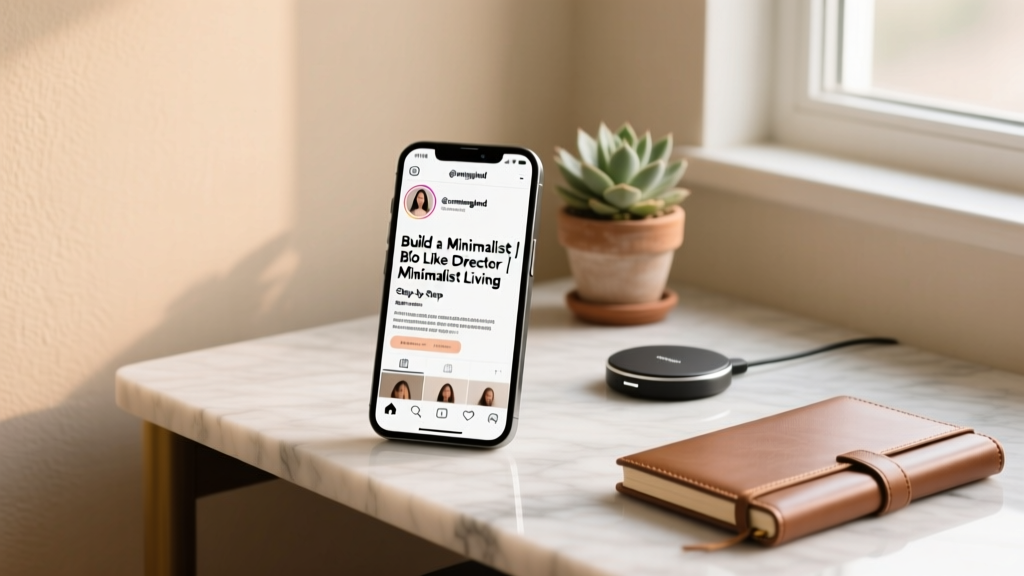
If you choose to maintain a public-facing profile for networking purposes, your bio must be ruthlessly optimized for industry professionals, not fans. The Connie Angland approach to bio writing strips away emojis, inspirational quotes, and personal hobbies. Instead, it focuses entirely on utility and professional representation.
Action Step: Rewrite your Instagram, Twitter, or LinkedIn bio using the ‘Industry-Standard’ formula. This formula prioritizes your core competency, your location, and your representation or portfolio link.
- Line 1 (The Hook): Your primary professional titles. (e.g., ‘Actor | Puppeteer | Voiceover’)
- Line 2 (The Anchor): Your location or primary market. (e.g., ‘Los Angeles, CA’)
- Line 3 (The Gateway): Your agency, management, or direct contact for booking. (e.g., ‘Rep: @AgencyName | Booking: email@domain.com’)
By formatting your bio this way, you eliminate friction for casting directors or clients who are trying to hire you. They do not want to sift through your personal thoughts; they want to know who you are, where you are based, and how to send you a contract. This minimalist approach projects confidence and established authority.
Step 3: Optimize Your Link-in-Bio for Casting
Because niche professionals do not rely on social media algorithms to generate income through brand deals, the single link allowed in an Instagram bio must be treated as prime digital real estate. For someone with a diverse filmography in both practical effects and voice acting, a standard link to a personal website might not be enough.
Action Step: Use a professional link-aggregation tool (like Linktree or a custom landing page on your own domain) to house your professional assets. Your link-in-bio should direct visitors to:
- Your IMDb Pro page or verified industry portfolio.
- Your digital reel or showreel (hosted on Vimeo or a private YouTube link).
- Your agency’s contact page.
- Any recent press or specialized interviews regarding your craft.
This transforms your social media profile from a casual networking app into a highly efficient, 24/7 digital business card. When a director looks you up after seeing your work in a film like The Happytime Murders, they can immediately find your reel and contact your representation without needing to send a direct message.
Personal Branding Takeaways
Building a personal brand inspired by working Hollywood professionals requires a fundamental shift in how you view social media. Here are the core takeaways to apply to your own profile:
- Embrace Scarcity: You do not need to post daily to remain relevant in your industry. High-level professionals are judged on the quality of their output, not the frequency of their tweets. Let your actual work create the noise.
- Separate the Personal from the Professional: It is entirely acceptable to have a private account for your friends and a sterile, highly optimized public account for your career. Gatekeeping your personal life protects your energy and enhances your professional mystique.
- Optimize for the Decision-Maker: Write your bio for the person who has the power to hire you. Strip away the fluff, remove the emojis, and make your contact information and portfolio instantly accessible.
- Let Your Portfolio Be Your Bio: A 150-character social media bio is just a signpost. Your true bio is your body of work. Spend more time updating your IMDb, your GitHub, or your digital portfolio than you do agonizing over your Instagram caption.
Ultimately, the Connie Angland approach to personal branding is about respecting your own craft enough to let it stand on its own merits. By adopting a minimalist, industry-facing bio, you signal to the world that you are a serious professional ready to work.
Sources & References: