The Origin Story of Cordell Broadus
Growing up in the spotlight is a unique crucible. For Cordell Broadus, born into the orbit of one of music’s most recognizable figures, the expectation was to follow a highly visible, traditional path to fame. Yet, the trajectory of the young creative defies the standard celebrity offspring playbook. Instead of leaning into reality television or a lifelong career in collegiate sports, he orchestrated a quiet but deliberate pivot toward the lens. This article explores the history, origin story, and personal branding evolution of a young man who traded the gridiron for the director's chair, and what his digital footprint teaches us about authentic online identity.
The Early Years and Athletic Aspirations
Born on February 18, 1997, in Claremont, California, Cordell Calvin Broadus is the eldest son of hip-hop legend Snoop Dogg and Shante Taylor. From a young age, he was thrust into the public eye, appearing in music videos and on red carpets. However, as he entered his teenage years, he began to carve out an identity entirely separate from his father's musical empire. He attended St. Bonaventure High School in Santa Clarita, where he became a standout wide receiver. His athletic prowess was genuine; he was ranked by 247Sports and garnered legitimate attention from college scouts. For a time, the public narrative surrounding him was strictly athletic. He was the football prodigy, the next generation of sports excellence carrying the Broadus name.
The Pivot: Walking Away from the Gridiron
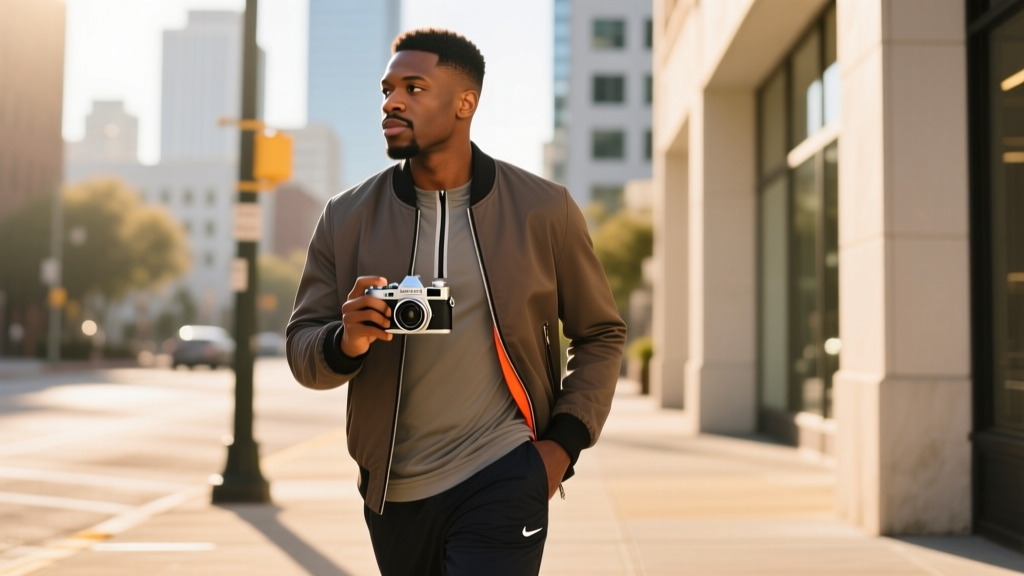
The defining moment of his origin story occurred in 2015. After committing to UCLA as a preferred walk-on for the Bruins football team, he made a shocking announcement just weeks before the season: he was quitting football. In a candid and now-famous interview with GQ journalist Zach Baron, he explained that he simply did not want to play the sport anymore. He recognized that he was pursuing it partly out of external expectation rather than internal passion. This decision was a massive branding shift. He transitioned overnight from a 'celebrity athlete' to a 'creative seeker.' Shortly after, he signed with Wilhelmina Models, appearing in campaigns and editorials for Highsnobiety and Flaunt Magazine, before ultimately finding his true calling behind the camera as a filmmaker and director.
| Attribute | Details |
|---|---|
| Full Name | Cordell Calvin Broadus |
| Born | February 18, 1997 |
| Nationality | American |
| Known For | Filmmaking, Directing, Modeling, Creative Direction |
| Notable Pivot | Left UCLA Football in 2015 to pursue creative arts |
| Social Media Handle | @cordell (Instagram) |
Social Media Presence and the Cinematic Aesthetic
Analyzing his Instagram presence reveals a masterclass in visual restraint. Unlike many influencers or children of celebrities who use social media as a daily diary of luxury and excess, his grid operates as a curated cinematic portfolio. His posting style is characterized by high-contrast imagery, 35mm film grain, moody lighting, and behind-the-scenes glimpses of film sets. He rarely posts selfies. Instead, his feed is populated with streetwear editorials, architectural shots, and frames from his directing projects. This approach shifts the audience's perception from 'who he is related to' to 'what he can create.' His follower engagement is driven by aesthetic appreciation and mystery. By withholding the mundane details of his daily life, he elevates his personal brand to that of an enigmatic auteur. He uses the platform not to seek validation through likes, but to establish authority in the highly competitive Los Angeles film and creative direction industry.
Deconstructing the Bio: Minimalist Authority
What can we learn from his actual Instagram bio? The answer lies in extreme minimalism. When you possess a recognized name and a strong visual portfolio, your bio does not need to scream for attention. Historically, his bio has featured nothing more than a simple, authoritative title like 'Director' or 'Filmmaker', perhaps a location tag for Los Angeles, and a single link to a production reel, agency representation, or a dedicated portfolio website. There are no string emojis, no motivational quotes, and no flexing of his famous lineage. This stark minimalism acts as a velvet rope. It signals to industry professionals and fans alike that he is a working creative, not just an influencer. The bio serves purely as a functional directory to his professional work, letting the visual grid do the heavy lifting of his personal branding.
Personal Branding Takeaways for Your Own Profile
The evolution of his online identity offers several actionable lessons for anyone looking to refine their own social media bio and personal brand on platforms like Instagram:
- 1. Pivot with Purpose: If your current online identity no longer reflects your true passions, do not be afraid to rebrand. Just as he transitioned from athlete to model to director, you can use your bio to clearly state your new focus. Update your title and curate your recent posts to reflect your new direction immediately.
- 2. Embrace Minimalist Authority: Cluttered bios with too many emojis, hashtags, and inside jokes can dilute your professional image. Strip your bio down to its core elements: your primary title, your location (if relevant to your industry), and a single, high-value link to your best work.
- 3. Let the Visual Portfolio Speak: Your bio is just the introduction; your content is the proof. Ensure that your recent grid posts visually align with the claims made in your bio. If you brand yourself as a creative, your photography and aesthetic must back up that claim.
- 4. Separate Lineage from Legacy: You do not need to rely on the coattails of others to build a reputable brand. Focus your bio and content on your unique skills, work ethic, and individual perspective. Authenticity resonates far deeper than borrowed fame.
Ultimately, the history of this young filmmaker proves that the most powerful personal brands are not the ones that shout the loudest, but the ones that confidently present a clear, evolving, and authentic vision to the world. By studying his transition from the football field to the director's chair, creators can learn how to harness the power of a minimalist bio and a highly curated visual aesthetic to build lasting digital authority.