Who is Cultural Appropriation in the Digital Age?
In the complex ecosystem of social media, no entity commands more attention, fear, and respect than Cultural Appropriation. While not a traditional Hollywood star, Cultural Appropriation acts as the ultimate unseen influencer, dictating the boundaries of personal branding, bio aesthetics, and digital identity. Every time a user updates their Instagram bio or TikTok profile, they must navigate the invisible rules established by this global phenomenon. At lovemebio.com, we recognize that understanding Cultural Appropriation is essential for modern digital citizens. This step-by-step guide will teach you how to audit your profile, celebrate your authentic heritage, and build a respectful personal brand.
Quick Facts: The Cultural Appropriation Phenomenon
| Attribute | Details |
|---|---|
| Full Name | Cultural Appropriation |
| Born | Early 2010s (Internet Slang Era) |
| Nationality | Global Digital Phenomenon |
| Known For | Dictating personal branding boundaries, sparking Twitter discourse, shaping influencer accountability |
| Social Media Handles | #CulturalAppropriation (Trending Topic) |
The Social Media Presence of Cultural Appropriation
Unlike traditional celebrities who curate polished selfies, Cultural Appropriation maintains a massive, decentralized social media presence driven by user-generated discourse. On platforms like X (formerly Twitter) and TikTok, the profile of Cultural Appropriation is defined by viral call-out threads, educational carousels, and intense comment section debates. When an influencer uses a sacred symbol as a casual emoji in their bio, or adopts African American Vernacular English (AAVE) to sound edgy, the collective voice of the internet amplifies the misstep.
From a branding perspective, this phenomenon has a 100% engagement rate on controversial topics. It forces creators to be hyper-aware of their digital footprint. According to a 2021 analysis by the Harvard Business Review on brand authenticity, modern consumers and followers actively police the boundaries between appreciation and appropriation. The follower engagement here is not measured in likes, but in accountability. Creators who ignore the unwritten rules of cultural respect often face rapid follower churn and brand deal cancellations, proving that this unseen influencer holds more power over your personal brand than any algorithm.
Step-by-Step: Building an Authentic Bio Without Cultural Appropriation
Navigating your digital identity requires tact, self-awareness, and a commitment to authenticity. Below is our practical, step-by-step framework to ensure your Instagram, TikTok, or LinkedIn bio celebrates your true self without crossing the line into Cultural Appropriation.
Step 1: Audit Your Bio Vocabulary for Borrowed Slang
The first step in ethical personal branding is a thorough vocabulary audit. Many users unknowingly pad their bios with slang, spiritual terms, or dialects that do not belong to their lived experience.
- Remove AAVE and Internet Slang: If you are not part of the Black community, using terms like finna, periodt, or spill the tea in your bio to appear relatable is a prime example of Cultural Appropriation. Replace these with your natural voice.
- Rethink Spiritual Buzzwords: Words like shaman, tribe, spirit animal, or guru hold deep, sacred significance for Indigenous and Eastern cultures. Using them to describe your marketing team or your love for wolves is disrespectful. Instead, use accurate terms like community, mentor, kindred spirit, or guide.
- Action Item: Read your bio out loud. Does it sound like how you speak in real life, or are you wearing a linguistic costume? Authenticity resonates far more than forced internet trends.
Step 2: Highlight Your Genuine Heritage and Lived Experience
The antidote to Cultural Appropriation is deep, unapologetic authenticity. Instead of borrowing aesthetics from marginalized groups to seem interesting, dig into your own roots. Your unique background is your strongest branding asset.
- Use Native Languages: If you are bilingual or multilingual, incorporate a greeting or a core value in your native tongue. This adds immediate global appeal and personal depth.
- Flag Emojis and Regional Pride: Rep your specific hometown, regional flags, or cultural touchstones. A bio that reads Proud Oaxacan cuisine enthusiast is infinitely more compelling and respectful than a generic Taco lover who has no connection to the culture.
- Visual Alignment: Consider the visual elements of your profile as well. Your profile picture and highlights should reflect your genuine environment and professional reality, rather than adopting filtered aesthetics that mimic the traditional dress or settings of marginalized communities.
- Action Item: Identify three core truths about your upbringing, education, or cultural background. Translate those into a concise, 150-character bio statement that grounds your profile in reality.
Step 3: Utilize the Link-in-Bio for Context and Credit
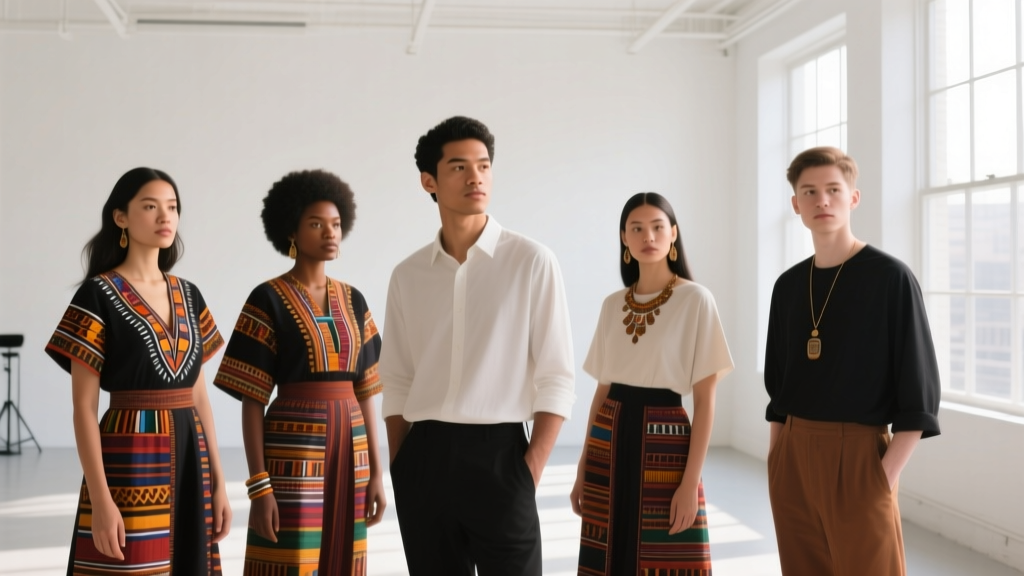
Sometimes, your personal brand or business is genuinely inspired by another culture. Perhaps you are a fashion student studying West African textiles, or a chef specializing in authentic Thai street food. A short bio cannot hold all the necessary context, which is where the link-in-bio becomes your greatest tool against accusations of Cultural Appropriation.
- Create an About My Inspiration Page: Use Linktree, Bento, or a personal website to host a page dedicated to your cultural education, the artisans you collaborate with, and the history of your craft.
- Transparent Sourcing: If your brand profits from a specific cultural aesthetic, your linked pages must show how you are giving back to that community. Are you donating a percentage of profits? Are you hiring creators from that culture?
- Action Item: Add a link in your bio titled My Cultural Inspirations and Credits. This proactive step shifts your brand from appropriation to active, respectful appreciation.
Step 4: Engage with Community Feedback Gracefully
Even with the best intentions, you might make a misstep. The digital landscape is constantly evolving, and what was considered acceptable five years ago may be recognized as Cultural Appropriation today. How you handle feedback is the ultimate test of your personal brand.
- Listen Without Defensiveness: If a follower DMs you to explain why a specific emoji or phrase in your bio is offensive, do not argue. Thank them for their labor and educate yourself.
- Update and Acknowledge: Change the bio immediately. If the issue was public, a brief, sincere story acknowledging your growth shows your audience that your brand values respect over ego.
- Curate Your Feed: Furthermore, consider following educators and activists from the cultures you admire. Curating your own feed to include diverse voices ensures that your digital worldview remains informed and respectful. This ongoing education prevents accidental Cultural Appropriation before it ever reaches your public profile.
Personal Branding Takeaways
The overarching lesson from the phenomenon of Cultural Appropriation is that modern audiences demand integrity. Your social media bio is not just a digital business card; it is a declaration of your values. By avoiding linguistic costumes, honoring sacred traditions, and leveraging your link-in-bio for transparent storytelling, you build a brand that is bulletproof against cancel culture. True influence comes from owning your authentic story, not borrowing someone elses. As noted by Forbes in their guide to authentic personal branding, vulnerability and truth are the ultimate currencies in the creator economy.
Remember, a bio built on borrowed elements is fragile. It requires constant maintenance and leaves you vulnerable to valid criticism. Conversely, a bio built on your actual experiences, your real hometown, your genuine passions, and your true professional milestones is inherently unique. No one can call you out for being yourself. Use the tools at lovemebio.com to generate bio ideas that reflect your actual life, ensuring your personal brand remains a force for good in the digital space. Audit your profile today, strip away the borrowed aesthetics, and let your genuine identity shine.
References
- Harvard Business Review. (2021). When Does Cultural Appreciation Become Appropriation? Retrieved from https://hbr.org/2021/08/when-does-cultural-appreciation-become-appropriation
- Forbes Coaches Council. (2022). How To Build An Authentic Personal Brand Without Crossing Cultural Lines. Retrieved from https://www.forbes.com/sites/forbescoachescouncil/2022/03/14/how-to-build-an-authentic-personal-brand/
- Journal of Consumer Research. (2020). Digital Identity and the Ethics of Cultural Borrowing in Social Media Bios.