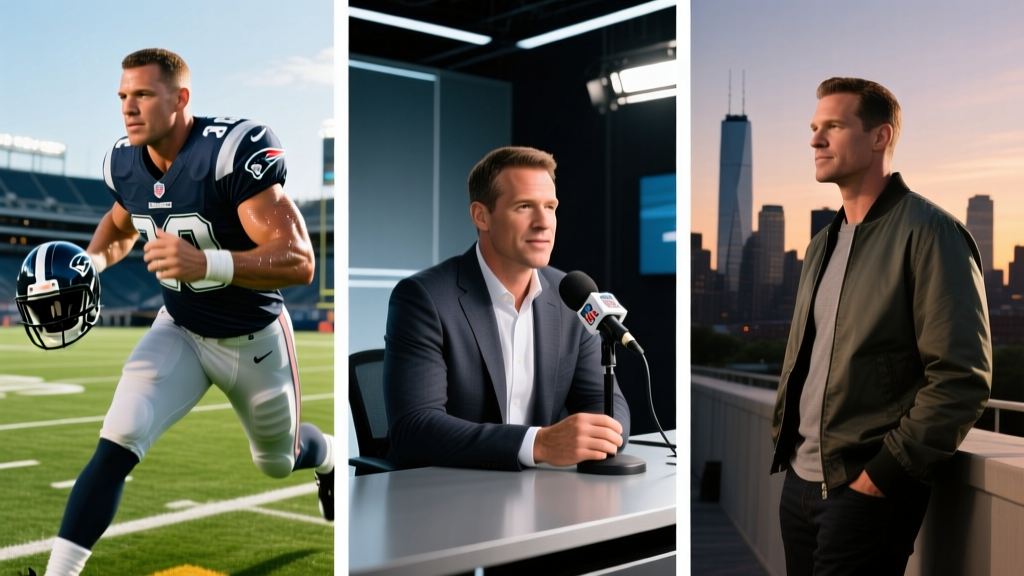
When former NFL quarterback David Carr transitioned from taking hits on the gridiron to delivering sharp analysis in the broadcasting studio, he didn't just change careers—he executed a masterclass in personal brand evolution. For professionals navigating a major career pivot, studying how David Carr presents himself online offers invaluable lessons in authority stacking, authenticity, and digital reputation management. At LoveMeBio, we constantly analyze how top performers curate their digital identities. Carr’s journey from the most sacked quarterback in NFL history to a respected, articulate sports media personality is a testament to the power of resilience and strategic self-branding. Let's break down the anatomy of his online presence and extract actionable takeaways for your own social media bios.
Quick Facts: David Carr
| Full Name | David Duke Carr |
|---|---|
| Born | July 21, 1979 (Bakersfield, California) |
| Nationality | American |
| Known For | #1 NFL Draft Pick (2002), Super Bowl XLVI Champion, NFL Network Analyst |
| Social Handles | @davidcarrqb (Instagram, X/Twitter) |
Career Highlights: The Foundation of the Brand
To understand the weight of David Carr's digital footprint, you must first understand the foundation of his career. Carr was a standout quarterback at Fresno State University, where his record-setting performances made him the consensus number one pick in the 2002 NFL Draft. Selected by the expansion Houston Texans, Carr faced the brutal reality of playing behind a porous offensive line, famously setting an NFL record for most sacks taken in a single season (76 in 2002). Rather than letting this define him negatively, Carr persevered, eventually finding success as a reliable veteran backup and winning a Super Bowl XLVI ring with the New York Giants in 2011. Following his retirement from professional football, Carr seamlessly transitioned into sports media, joining the NFL Network as an analyst. This trajectory—from collegiate star to embattled #1 pick, to Super Bowl champion, and finally to a trusted media voice—provides the foundational narrative for his personal brand. It is a story of grit, reinvention, and ultimate triumph, which informs every piece of content he shares online.
Analyzing David Carr's Social Media Presence and Bio Strategy
Analyzing David Carr's social media presence reveals a highly strategic approach to digital branding that balances legacy with current relevance. Across platforms like X (formerly Twitter) and Instagram, Carr utilizes the handle @davidcarrqb. This simple, consistent naming convention ensures he remains easily discoverable to fans who know him from his playing days while clearly signaling his primary identity: a quarterback. By keeping the 'qb' suffix, he honors his roots while speaking with the authority of someone who has played the position at the highest level.
His bio structure is a textbook example of what we call the 'Authority Stack.' Typically, his profiles feature a concise, pipe-separated list of credentials: 'NFL Network Analyst | Super Bowl Champion | Former #1 Overall Pick | Fresno State.' This format respects strict character limits while immediately establishing maximum credibility. He doesn't waste words on emojis, vague inspirational quotes, or unnecessary flair; instead, he relies on hard-earned accolades that resonate deeply with his target audience of football fans, aspiring athletes, and sports media consumers.
In terms of posting style, Carr balances professional media appearances with personal insights. He frequently shares behind-the-scenes photos from the NFL Network studios, clips of his film breakdowns, and occasional posts about his family and faith. This mix humanizes him, transforming his profile from a sterile promotional feed into an engaging, multidimensional diary of a retired athlete thriving in a second career. His engagement strategy involves replying to fan questions about quarterback mechanics, draft prospects, and offensive schemes, positioning him as an accessible expert rather than an aloof celebrity.
Personal Branding Takeaways for Your Own Bio
You don't need to be a Super Bowl champion to apply David Carr's branding strategies to your own digital presence. Here are the core lessons you can adapt for your Instagram, LinkedIn, or personal website.
1. Master the Authority Stack Bio Formula
Carr’s use of the pipe separator (|) to list his top credentials is a highly effective way to maximize bio real estate. If you are a professional with multiple facets to your career, use this formula to build instant trust. For example, if you are a graphic designer who won an industry award and graduated from a top school, your bio should read: 'Lead Designer at [Company] | Adobe Creative Resident | RISD Alumni'. This immediately tells a recruiter or client why they should follow you, prioritizing hard facts over generic adjectives like 'passionate' or 'creative'.
2. Own Your Narrative (Even the Setbacks)
Carr’s willingness to discuss the grueling realities of being a #1 pick on an expansion team makes his current media success feel earned and authentic. In your own bio or link-in-bio page, don't hide your unconventional career path. If you pivoted from nursing to tech sales, or if you took a gap year to travel before starting your agency, own that transition. Use your bio to highlight your adaptability. A bio that reads 'Former Educator turned SaaS Founder' tells a much more compelling story than simply 'Tech Entrepreneur'.
3. Maintain Visual and Handle Consistency
By securing @davidcarrqb across all major platforms, Carr ensures that his audience never has to guess if they've found the right profile. When crafting your personal brand, audit your handles. If your primary brand name is taken on one platform, find a professional, consistent modifier (like adding 'hq', 'real', or your profession) and use it everywhere. Pair this with a consistent, high-quality headshot or logo so that your visual identity is instantly recognizable in a crowded feed.
4. Optimize Your Link-in-Bio Funnel
Carr uses his link-in-bio to direct traffic to his podcasts, NFL Network segments, and charity initiatives. For your own profile, treat your bio link as a dynamic funnel. Don't just link to a generic homepage. Use landing page tools to house your portfolio, latest interview, newsletter sign-up, and booking calendar. Your bio gets their attention; your link-in-bio must capture their action.