When evaluating the personal branding and historical digital footprint of classic Hollywood stars, few cases are as fascinating as that of Debra Paget. Born in the golden era of the studio system, Paget’s public image was meticulously crafted by 20th Century Fox long before the invention of the Instagram bio or the TikTok algorithm. Today, conducting a critical review of Debra Paget requires us to look beyond modern social media metrics and analyze how a legacy brand survives, adapts, and maintains its mystique in a digital landscape obsessed with oversharing. This pros, cons, and critical review will explore the unique positioning of a retired silver screen icon and what modern creators can learn from her enduring, albeit entirely offline, personal brand.
The Studio-Era Brand: Crafting the Debra Paget Persona
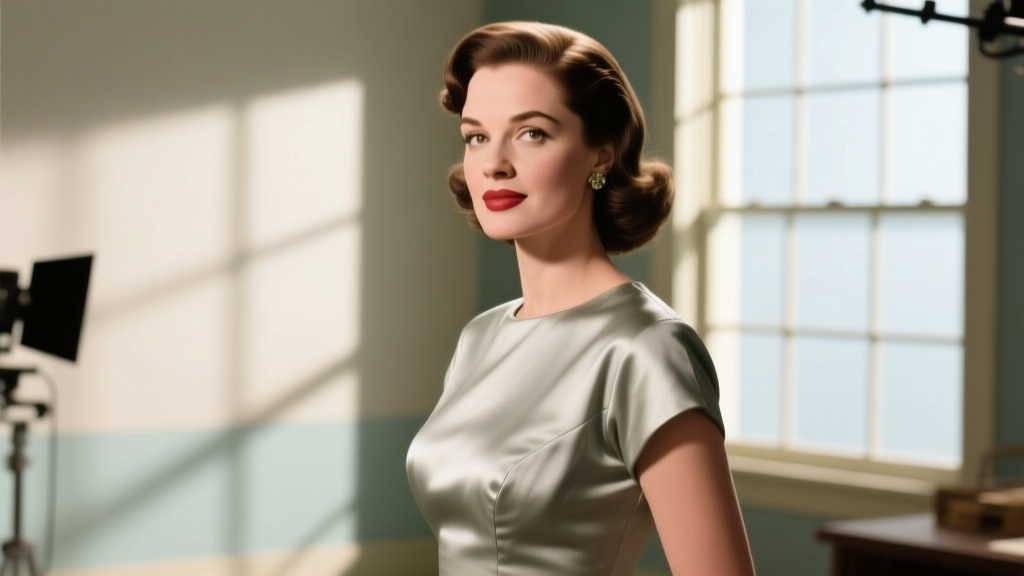
Before the internet, the Hollywood studio system was the ultimate personal branding agency. Debra Paget, born Debralee Griffin in Denver, Colorado, was molded into the quintessential exotic beauty and dramatic leading lady of the 1950s. Her public bio was written by studio publicists who emphasized her striking dark features, her dancing abilities, and her versatility in epic cinema. Working under the guidance of powerful directors like Cecil B. DeMille and Howard Hawks, her brand was built entirely on visual storytelling and calculated public appearances.
Whether she was starring opposite Robert Wagner in The Princess of the Nile, sharing the screen with Elvis Presley in his cinematic debut Love Me Tender, or delivering a haunting performance in Fritz Lang’s The Tiger of Eschnapur, Paget’s brand identity was remarkably consistent: captivating, elegant, and slightly untouchable. This era of branding relied heavily on scarcity. Fans could only access her persona through cinema screens, glossy magazine spreads, and carefully orchestrated press tours. Her personal brand was a masterclass in controlled exposure, a stark contrast to the modern influencer economy where accessibility is the primary currency.
Quick Facts: The Woman Behind the Silver Screen
| Attribute | Details |
|---|---|
| Full Name | Debralee Griffin |
| Born | August 19, 1933 (Denver, Colorado) |
| Nationality | American |
| Known For | 1950s Epic Films, Studio System Stardom, The Ten Commandments |
| Active Years | 1948–1964 |
| Social Media Handles | None officially; managed by legacy archives and fan communities |
Social Media Presence & Digital Footprint: A Critical Review
In the modern era, a critical review of Debra Paget’s social media presence reveals a glaring reality: she does not have one. Having retired from acting in the mid-1960s following her marriage to Louis C. Kung, Paget completely stepped away from the public eye, relocating to Houston, Texas, and embracing a life of strict privacy. From a contemporary digital marketing perspective, this total absence of an official Instagram, X (formerly Twitter), or TikTok account is highly unusual for a celebrity of her caliber.
However, her digital footprint is far from dead. Instead of a curated personal bio, her online presence is entirely decentralized, managed by classic film archives, dedicated fan pages, and institutions like Turner Classic Movies (TCM). Her social media strategy is essentially one of historical preservation. Fan-run accounts curate high-resolution stills from The Ten Commandments and Demetrius and the Gladiators, acting as digital museums. While she lacks direct engagement with her audience, the engagement about her remains remarkably high among classic cinema communities, proving that a compelling visual legacy can sustain a brand long after the creator has left the building.
Pros and Cons of the Debra Paget Public Persona
Let us break down the pros and cons of the Debra Paget public persona and legacy brand in the 21st century, analyzing how her historical approach translates to modern branding theory.
- Pro: Unbreakable Mystique. In an era where celebrities overshare their daily routines and inner thoughts, Paget’s total withdrawal from public life has only amplified her legendary status. The scarcity of her modern image makes her vintage content highly prized and visually impactful.
- Pro: Immunity to Modern PR Crises. By not participating in the digital discourse, her brand remains frozen in its most glamorous, untarnished state. She is entirely immune to the pitfalls of modern social media missteps, controversial tweets, or overexposure.
- Pro: High-Quality Archival Content. The studio system produced meticulously lit, professionally styled photography. Modern fan pages have an endless supply of flawless, high-art visual content to use in tribute bios and digital galleries, ensuring her aesthetic remains top-tier.
- Con: Zero Narrative Control. Without an official platform, Paget cannot correct historical inaccuracies, share her own perspective on her career, or control how her image is contextualized by third parties and amateur biographers.
- Con: Missed Legacy Monetization. Many classic stars (or their estates) leverage modern platforms to launch retro merchandise lines, memoir promotions, or documentary features. Her digital absence leaves potential legacy-building and charitable opportunities on the table.
- Con: Fragmented Fan Community. Because her digital footprint is scattered across various unverified fan pages and IMDb forums, there is no centralized hub or official bio link for new fans discovering her through algorithmic recommendations on platforms like YouTube or TikTok.
Personal Branding Takeaways for Modern Creators
What can modern influencers, actors, and professionals learn from a star who has not posted a selfie in her life? The Debra Paget case study offers profound personal branding takeaways for your own social media bios and digital strategies on lovemebio.com.
1. Embrace the Power of the Archive Bio
If you are a visual artist, photographer, or actor, consider treating your Instagram grid or personal website not as a daily diary, but as a curated museum. Use your bio link to direct followers to a high-quality, categorized portfolio rather than a messy stream of consciousness. Let your work speak louder than your daily updates.
2. Understand the Value of Mystique
You do not need to document every meal, thought, or behind-the-scenes moment to build a loyal following. Leaving some aspects of your life undocumented creates an allure that keeps audiences intrigued. A minimalist bio that states exactly what you do, paired with striking, infrequent, high-value content, often outperforms a cluttered profile desperate for daily engagement.
3. Plan for Your Digital Legacy
Paget’s brand survives because the physical film reels and studio photographs were preserved in climate-controlled vaults. In the digital age, your content is vulnerable to server crashes, platform shutdowns, and algorithm shifts. Use your link-in-bio tools to host evergreen content, newsletters, or personal archives that you own outright, ensuring your personal brand outlasts the current social media trends.
Sources & Further Reading
- Turner Classic Movies (TCM) – Biographical archives and filmography databases detailing Paget’s studio-era career.
- American Film Institute (AFI) Catalog – Historical records of 20th Century Fox casting and studio branding strategies in the 1950s.
- IMDb – Comprehensive credit listings and community discussions surrounding her retirement and legacy.