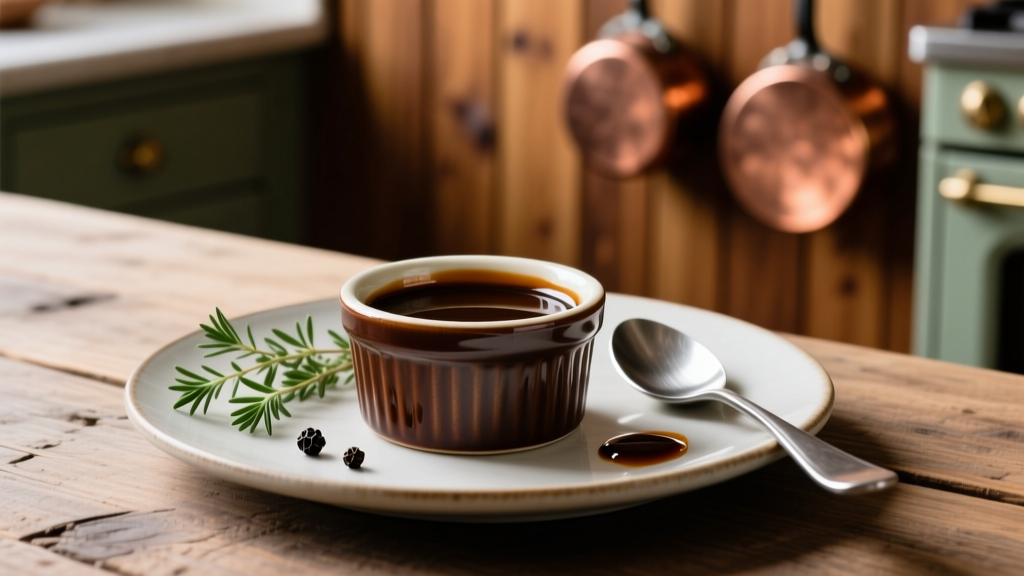
In the culinary world, few entities command the respect, prestige, and social media fascination quite like Demi Glace. While technically a foundational French sauce rather than a human influencer, Demi Glace holds true celebrity status among chefs, food bloggers, and gastronomy enthusiasts. When building a food-centric personal brand, understanding the prestige of this rich, glossy reduction—and knowing the best alternatives when you cannot make it from scratch—is essential. In this comparison and alternatives analysis, we break down the legacy of Demi Glace, its modern social media presence, and how to leverage its prestige in your own bio.
| Attribute | Details |
|---|---|
| Full Name | Demi-Glace (Half-Glace / Brown Sauce Reduction) |
| Born | Early 19th Century (Codified by Marie-Antoine Carême & Auguste Escoffier) |
| Nationality | French |
| Known For | The 'King of Sauces,' rich meat reduction, glossy nappé finish |
| Social Media Handles | #demiglace (Millions of combined views on TikTok & Instagram Foodie Communities) |
The Origin Story: How Demi Glace Became Culinary Royalty
To understand the branding power of Demi Glace, you must understand its history. Translating to 'half-glace,' this sauce is a rich brown sauce in French cuisine that is traditionally made by combining one part brown stock (usually veal) and one part Espagnole sauce, then reducing it by half. According to Auguste Escoffier’s foundational text Le Guide Culinaire, Demi Glace is the cornerstone of classical French cooking, serving as the base for dozens of derivative sauces like Sauce Robert, Sauce Chasseur, and Sauce Madeira.
Because it requires hours of skimming, reducing, and clarifying, Demi Glace became a symbol of kitchen mastery. Today, it represents patience, depth, and premium quality—traits that food influencers and professional chefs eagerly associate with their own personal brands.
Comparison & Alternatives Analysis: Substitutes for Demi Glace
While making a traditional Demi Glace from scratch is the ultimate flex for a culinary professional, it is incredibly time-consuming and expensive. For home cooks, food bloggers, and chefs looking for efficient alternatives, understanding the flavor and textural differences is crucial. Here is a detailed comparison of the top alternatives to Demi Glace.
1. Veal Jus vs. Traditional Demi Glace
The Comparison: Veal Jus is a lighter, more straightforward reduction of roasted veal bones and aromatics, without the addition of the roux-thickened Espagnole sauce.
Pros: It offers a cleaner, more intense meat flavor and is naturally gluten-free. It is much faster to produce than a classical Demi Glace.
Cons: It lacks the velvety, thick 'nappé' texture that coats the back of a spoon, which is the visual hallmark of a true Demi Glace.
Best For: Roasted meats where a lighter, more natural pan sauce is desired.
2. Modern Brown Gravy
The Comparison: Brown gravy is typically made from the drippings of roasted meat, thickened with a cornstarch slurry or a quick flour roux, and fortified with beef broth.
Pros: Highly accessible, incredibly fast to make, and utilizes leftover pan drippings for maximum savory flavor.
Cons: It lacks the deep, complex, gelatinous mouthfeel of a slow-reduced Demi Glace. It can also taste overly salty or one-dimensional if not balanced with acid.
Best For: Comfort foods, mashed potatoes, and casual Sunday roasts.
3. Concentrated Beef or Veal Bouillon (Demi-Glace Paste)
The Comparison: Commercial demi-glace pastes or high-quality bouillon bases (like Better Than Bouillon) mixed with water and a touch of butter or gelatin.
Pros: Unbeatable convenience. Culinary science experts at Serious Eats often note that high-end commercial bases can mimic the umami depth of a 24-hour reduction in a fraction of the time.
Cons: Can contain preservatives, high sodium, and lack the artisanal prestige of a house-made reduction.
Best For: Weeknight cooking, scaling up for large catering events, and quick pan sauces.
4. The Vegan Demi Glace Alternative
The Comparison: A plant-based reduction utilizing roasted mushrooms (porcini or shiitake), kombu (seaweed), caramelized onions, and a splash of red wine, thickened with arrowroot or agar.
Pros: Inclusive for plant-based diets while delivering a massive umami punch. Testing by America's Test Kitchen reveals that mushroom and kombu combinations successfully replicate the savory glutamates found in meat bones.
Cons: Requires specific specialty ingredients and careful balancing to avoid tasting overly 'earthy' or like a soup broth.
Best For: Vegan fine dining, plant-based food bloggers, and modern inclusive menus.
Social Media Presence: The Viral Appeal of Demi Glace
On platforms like Instagram and TikTok, Demi Glace is treated less like a recipe and more like an aesthetic. Food influencers and professional chefs use the sauce to signal their expertise. The most viral content surrounding Demi Glace revolves around the 'nappé' test—the visual ASMR moment where a chef drags a spoon through the glossy sauce, leaving a clean line that holds its shape.
Chefs frequently use the hashtag #demiglace to showcase their kitchen discipline. The posting style is usually moody, high-contrast, and focused on the mirror-like sheen of the sauce hitting a perfectly seared steak. Engagement rates on these videos are exceptionally high because the visual satisfaction of a perfect sauce reduction triggers a strong sensory response from viewers. For culinary creators, featuring Demi Glace on their feed is an immediate indicator of high-tier culinary skill, separating them from amateur home cooks.
Personal Branding Takeaways for Your Own Bio
How can you translate the prestige, patience, and premium quality of Demi Glace into your own social media bio? Whether you are a professional chef, a food blogger, or a home cook building a personal brand on lovemebio.com, here are the key branding takeaways you can apply today:
- Signal Expertise Through Specificity: Just as 'Demi Glace' sounds infinitely more professional than 'brown gravy,' your bio should use precise, industry-specific language. Instead of writing 'I love cooking,' use phrases like 'Mastering the Mother Sauces' or 'Artisanal Reductions & Plating.'
- The 'Slow-Cooked' Ethos: Demi Glace represents patience. If your personal brand focuses on slow living, traditional crafts, or meticulous attention to detail, use your bio to highlight the time you invest in your craft. Example: 'Slow-reduced recipes for a fast-paced world. 🕰️🍷'
- Visual Branding Alignment: Your profile picture and highlight covers should match the 'glossy, premium' aesthetic of a perfect sauce. Think dark, moody food photography, high-contrast lighting, and minimalist emojis (🥩, 🍷, 🔥, 🌿) in your bio text.
- Embrace the Alternatives Narrative: Authenticity builds trust. If you are a home cook or a vegan creator, own your alternatives! A great bio for a plant-based creator might read: 'Hacking the classics. 🍄 Vegan Demi-Glace & Plant-Based Fine Dining.' This shows you understand the culinary hierarchy but are innovating within it.
Ultimately, the 'celebrity' status of Demi Glace teaches us that true personal branding is about depth, reduction, and leaving a lasting impression. By refining your bio to reflect the same richness and intentionality as this legendary French sauce, you elevate your digital presence from amateur to artisan.