
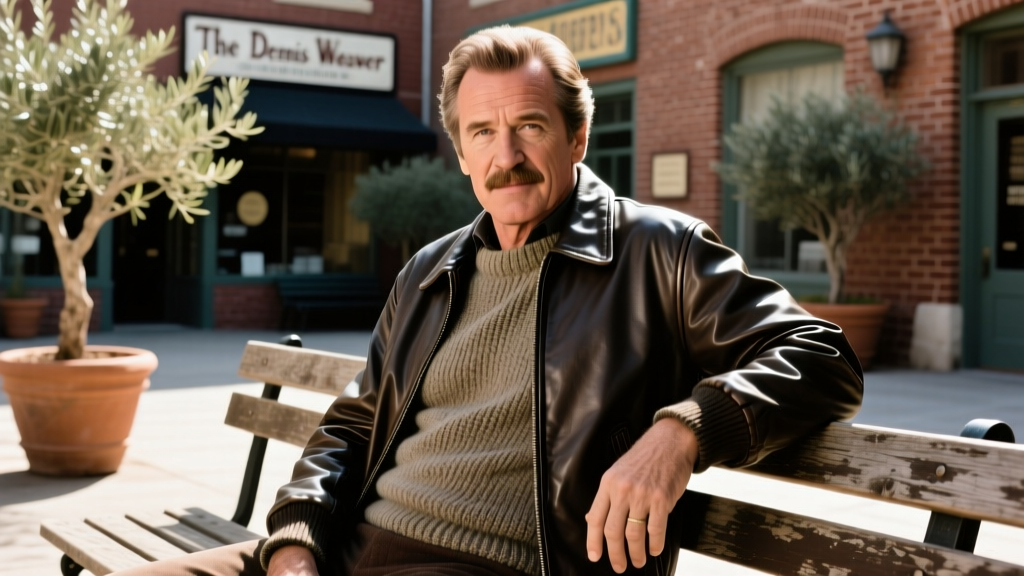
In the current landscape of digital personal branding, managing a legacy profile presents a unique and fascinating challenge. When a cultural icon passes away, their digital footprint transitions from an active social media presence to a curated historical archive. The Dennis Weaver legacy offers a masterclass in this evolution. Best known for his iconic television roles and later his passionate environmental activism, Weaver’s posthumous digital brand provides invaluable insights into how classic Hollywood stars maintain relevance today. For modern creators, actors, and entrepreneurs looking to build a lasting personal brand, analyzing Weaver’s career pivot and digital estate offers critical lessons in authenticity, evolution, and legacy management.
Quick Facts: The Man Behind the Brand
| Attribute | Details |
|---|---|
| Full Name | Billy Dennis Weaver |
| Born | June 4, 1924 (Joplin, Missouri) |
| Died | February 24, 2006 (Ridgway, Colorado) |
| Nationality | American |
| Known For | Gunsmoke, McCloud, Duel, Environmental Activism |
| Legacy Web Presence | Institute of Ecolonomics, Classic TV Fandom Wikis, Estate Archives |
The Dennis Weaver Legacy: Branding In The Modern Era
The modern digital landscape is heavily driven by nostalgia. On platforms like TikTok and Instagram Reels, archival footage of classic television stars frequently goes viral, introducing legacy actors to Gen Z and Gen Alpha audiences. While Weaver does not have an active, personal Instagram account managed by himself, his 'bio' is actively written and rewritten by digital historians, fan communities, and classic television networks.
In the current trend report of legacy branding, we see that a celebrity's modern bio is no longer just a 150-character Instagram summary. It is a composite of their Wikipedia lead paragraph, their Fandom wiki page, their YouTube documentary features, and the mission statements of the foundations they left behind. Weaver’s digital footprint is a prime example of how a multifaceted career—spanning intense dramatic acting, comedic timing, and real-world activism—creates a rich, searchable archive that algorithms continue to surface decades later.
Career Highlights: Building a Multi-Decade Brand
To understand Weaver’s digital footprint today, we must analyze the foundational pillars of his personal brand. He did not rely on a single gimmick; instead, he built a diverse portfolio of work that appeals to multiple demographics, ensuring his longevity in syndication and streaming algorithms.
- Gunsmoke (1955–1964): Weaver originated the role of Chester Goode, the loyal, limping deputy to Marshal Matt Dillon. This role established his initial brand identity: the dependable, endearing sidekick. In 1959, he won the Emmy Award for Best Supporting Actor in a Dramatic Series, a monumental achievement that cemented his credibility in Hollywood.
- Duel (1971): Directed by a young Steven Spielberg, this television movie showcased Weaver’s dramatic range. Playing a terrified motorist stalked by a faceless tanker truck, Weaver proved he could carry a thriller on his shoulders. Today, Duel is a staple in film-student circles and YouTube video essay analyses, keeping his name relevant in cinematic discussions.
- McCloud (1970–1977): This was Weaver’s defining leading role. As Marshal Sam McCloud, a New Mexico cowboy navigating the concrete jungle of New York City, Weaver created an iconic visual brand. His sheepskin coat, stetson hat, and signature catchphrase ('There you go') became cultural touchstones. The visual distinctiveness of the McCloud character makes him highly recognizable in retro-aesthetic social media edits today.
Social Media Presence & Digital Estate Management
How does a legacy actor maintain a 'social media presence' in the 2020s? For Dennis Weaver, his online presence is decentralized. Instead of a single verified account, his brand is maintained through a network of digital touchpoints:
1. Fan-Curated Archives: On Instagram and TikTok, classic TV fan pages regularly post high-definition scans of McCloud and Gunsmoke. These pages act as unofficial brand ambassadors. The 'bio' of these pages often links back to Weaver’s historical impact, utilizing trending audio to sync his classic on-screen reactions with modern viral formats.
2. The Wikipedia & Fandom Ecosystem: In the absence of a personal website, a legacy star's Wikipedia page serves as their primary digital landing page. Weaver’s page is meticulously maintained by editors, ensuring that his transition from actor to environmentalist is prominently featured. This is a crucial lesson in digital PR: ensuring your public-facing biographical data accurately reflects your entire life’s work, not just your most famous role.
3. Streaming Platform Bios: On platforms like Peacock, Amazon Prime, and Tubi, the biographical blurbs attached to his films serve as micro-bios. These are optimized for search engines, ensuring that when users search for '70s cop shows' or 'Steven Spielberg thrillers,' Weaver’s name and legacy are front and center.
The Ultimate Rebrand: From TV Cowboy to Eco-Activist
The most remarkable aspect of Weaver’s personal brand is his successful pivot in the latter half of his life. Many actors become trapped by their most famous characters, allowing their brand to stagnate. Weaver, however, executed a masterful personal rebrand by anchoring his public identity to a cause greater than entertainment.
In 2003, Weaver founded the Institute of Ecolonomics, a non-profit organization dedicated to demonstrating that ecological health and economic growth can coexist. He used his celebrity status to lobby for renewable energy, sustainable agriculture, and environmental conservation.
From a branding perspective, this was a brilliant move. It added profound depth to his public persona. When journalists and digital historians write about him today, they do not just call him a 'former TV star'; they refer to him as an 'actor and environmental pioneer.' This duality makes his legacy much more compelling and shareable. His activism serves as the ultimate 'link in bio'—a permanent, real-world call to action that outlives his television ratings.
Personal Branding Takeaways for Modern Creators
What can modern influencers, entrepreneurs, and creatives learn from the digital footprint and career trajectory of Dennis Weaver? Here are the key takeaways for crafting your own bio and personal brand:
1. Build a Multi-Dimensional Bio
Do not let your first big success define your entire biography. Weaver was a cowboy actor, a thriller lead, and an environmentalist. When crafting your Instagram or LinkedIn bio, include facets of your personality and mission outside of your primary job title. Use the formula: [Core Profession] + [Unique Passion/Cause] + [Link to Portfolio]. This makes you more relatable and searchable.
2. Stand for Something Beyond the Algorithm
Weaver’s dedication to the Institute of Ecolonomics ensures that his legacy is tied to tangible, real-world impact. Modern creators should use their platforms to advocate for causes they care about. Audiences connect deeply with creators who have a moral compass and a mission statement. Your 'highlight reels' and pinned posts should reflect your values, not just your viral hits.
3. Optimize Your Digital Estate and Archival Footprint
While you are actively building your brand, think about your digital archive. Ensure that your Wikipedia page (if applicable), IMDb profile, and LinkedIn summaries are kept up to date with accurate, high-quality information. Control your narrative by maintaining a personal website that serves as the definitive source of truth for your career highlights and press mentions.
4. Embrace Visual Signatures
Sam McCloud’s sheepskin coat and stetson hat were instant visual identifiers. In today’s crowded social media landscape, having a consistent visual aesthetic, color palette, or signature style in your profile photos and content helps with instant brand recognition across multiple platforms.
Sources & Further Reading
- Television Academy: Emmy Awards historical records for Dennis Weaver's 1959 win and subsequent nominations (televisionacademy.com).
- Los Angeles Times Archives: Obituary and retrospective on Weaver's life, acting career, and environmental activism (latimes.com).
- IMDb Biography: Comprehensive filmography and biographical data tracking his evolution from stage to screen (imdb.com).