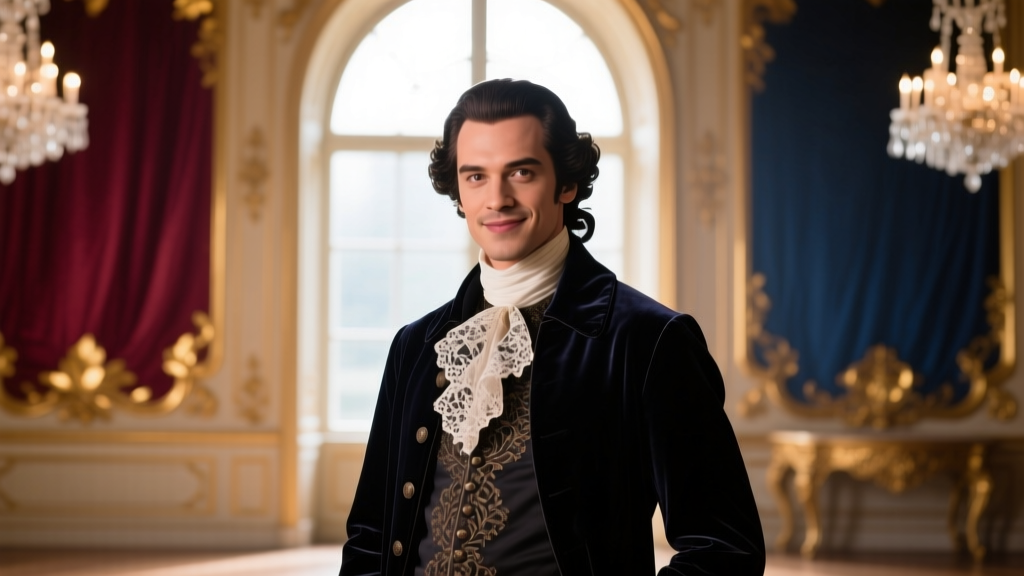
When exploring the foundations of personal branding and character archetypes, few names carry the immediate recognition and polarizing weight of Don Giovanni. Originally introduced to the world through Tirso de Molina’s 17th-century play and later immortalized by Wolfgang Amadeus Mozart’s 1787 operatic masterpiece, this figure is not a modern influencer with a verified checkmark. Instead, he is the ultimate historical 'bad boy' archetype—a fictional Spanish nobleman whose brand is built entirely on rebellion, seduction, and unapologetic defiance. For marketers, writers, and personal branding enthusiasts, understanding how this character has been packaged, promoted, and perceived over the centuries offers a masterclass in narrative consistency. In this beginner-friendly explainer, we will break down the brand of Mozart's most infamous antihero, examine how modern institutions manage his digital footprint, and extract actionable lessons for crafting a memorable, albeit controversial, personal brand.
Who Is Don Giovanni? A Beginner-Friendly Explainer
To understand the brand, we must first understand the man—or rather, the myth. Don Giovanni Tenorio is a wealthy, libertine nobleman from Seville who dedicates his life to the pursuit of pleasure and the seduction of women. He is unapologetic, fearless, and entirely dismissive of societal norms or moral consequences. In the context of modern personal branding, he represents the 'disruptor' or the 'antihero.' While most historical figures and modern celebrities carefully curate a brand that aligns with societal virtues, the Don Giovanni brand leans heavily into infamy. He is known not for his virtues, but for his vices.
The genius of Lorenzo Da Ponte’s libretto and Mozart’s score is that they make this deeply flawed character endlessly fascinating. His brand is magnetic because it is consistent; he never breaks character, even when faced with literal damnation in the opera's climax. This unwavering commitment to his core identity is a cornerstone of effective personal branding, even if the morality of the brand itself is highly questionable. He does not apologize, he does not pivot, and he does not seek redemption. In a modern landscape where public figures frequently issue PR-crafted apologies to salvage their reputations, the absolute rigidity of his brand identity is both shocking and captivating.
Quick Facts: The Archetype of the Seducer
| Attribute | Details |
|---|---|
| Full Name | Don Giovanni Tenorio |
| Born | 1787 (Prague Premiere of Mozart's Opera) |
| Nationality | Spanish (Fictional Seville Nobleman) |
| Known For | Mozart's Opera, The Seducer Archetype, Defiance of Morality |
| Social Media Handles | Represented institutionally by @metopera, @royaloperahouse |
The Cultural Footprint: Discography and Adaptations
Because he is a fictional character, his 'filmography' and 'discography' are actually the history of how different artists have interpreted his brand over time. The 1955 Decca recording featuring Cesare Siepi remains the gold standard for the classic, aristocratic interpretation of the character. Siepi played the role with a dark, velvety charm that made the character's villainy feel sophisticated and alluring.
However, the brand evolved significantly with Joseph Losey’s 1979 film adaptation. Losey stripped away the stagey theatricality and presented a gritty, psychologically complex seducer wandering through the decaying villas of Veneto. This adaptation rebranded the character from a theatrical caricature into a brooding, cinematic antihero. In contemporary culture, the brand has been referenced everywhere from Ingmar Bergman’s cinematic masterpieces to modern theatrical reimaginings that frame him through the lens of modern toxic masculinity. The ability of the brand to adapt to the cultural anxieties of different eras is a testament to its foundational strength. A truly robust personal brand is not static; it provides a framework that can be reinterpreted as cultural contexts shift.
Social Media Presence: Marketing the Myth
How does a fictional 18th-century character maintain a social media presence today? The answer lies in institutional branding. Major opera houses like The Metropolitan Opera (@metopera) and The Royal Opera House (@royaloperahouse) serve as the modern custodians of his digital footprint. When these institutions promote a new production, they do not market the opera merely as a classical music event; they market the Don Giovanni brand as a psychological thriller.
On Instagram and TikTok, promotional campaigns for the opera frequently utilize high-contrast, moody aesthetics, leaning into shadow and chiaroscuro lighting to emphasize the character's dark allure. The 'bio' or promotional copy for these campaigns consistently uses trigger words like 'infamous,' 'seductive,' 'obsessive,' and 'doomed.' Furthermore, social media managers brilliantly leverage the opera's famous 'Catalogue Aria' (where the sidekick Leporello lists his master's conquests) as a satirical parallel to modern dating apps and influencer flex culture. Carousel posts breaking down his 'stats' generate massive follower engagement because they bridge the gap between 18th-century libretto and 21st-century digital vanity.
Behind-the-scenes rehearsal reels also perform exceptionally well, showcasing the physical and emotional toll the role takes on the baritones playing the character. By analyzing how these institutions handle his digital presence, we see a masterclass in translating legacy brands for modern social media algorithms. They focus on the psychology of the character rather than just the history of the music, ensuring high engagement from both classical purists and newcomers.
Personal Branding Takeaways from the Don Giovanni Archetype
While you should certainly not emulate the character's moral compass, the mechanics of his brand offer profound lessons for modern creators, entrepreneurs, and professionals.
1. The Power of Unwavering Consistency
Don Giovanni never wavers from his core identity. In personal branding, audiences connect with authenticity and predictability. If you position yourself as a disruptor, you must consistently disrupt. If you are the reliable expert, you must always provide grounded advice. The archetype teaches us that a brand is a promise, and breaking that promise confuses your audience. Consistency builds trust, even if the brand itself is polarizing.
2. Lean Into Your Polarizing Traits
Not everyone will like you, and that is mathematically necessary for a strong brand. The character is universally despised by his peers within the narrative, yet universally fascinating to the audience. Modern creators often try to appeal to everyone, resulting in a diluted, vanilla brand. By embracing a specific, even polarizing niche or personality trait, you cultivate a deeply dedicated core audience that resonates with your unfiltered perspective.
3. The Danger of a Toxic Brand
We must also look at the narrative's conclusion. The character's refusal to adapt, apologize, or show remorse ultimately leads to his dramatic downfall into the underworld. In the modern digital landscape, a brand built entirely on controversy, toxicity, or defiance without underlying value or self-awareness will eventually face cancellation or algorithmic exile. The ultimate lesson is that while infamy generates short-term engagement, long-term brand survival requires a foundation of genuine value and community trust.
Sources and Further Reading
- The Metropolitan Opera Archives & Discover Portal - For historical production data and modern marketing case studies.
- The Royal Opera House Production History - Insights into contemporary staging and character interpretation.
- The Mozart Project - Deep dives into Lorenzo Da Ponte’s original libretto and the psychological framing of the Seducer archetype.
Ultimately, studying this brand is an exercise in understanding the extremes of personal branding. He is a cautionary tale wrapped in a masterclass of narrative consistency. Whether you are building a LinkedIn profile, an Instagram aesthetic, or a professional portfolio, the mechanics of how this character has been packaged for over two centuries remain incredibly relevant. Define your archetype, own your narrative, and remember that while controversy might capture attention, it is authenticity and value that sustain a legacy.