Doris Roberts redefined the American television mother, transforming the matriarch from a background figure into a scene-stealing, boundary-pushing powerhouse. While she passed away in 2016, long before the current era of hyper-curated social media personal branding, her digital legacy offers a fascinating case study in character-driven brand endurance. At lovemebio.com, we often analyze how living celebrities craft their daily Instagram narratives, but examining a legacy brand provides a unique comparison point. How does the unapologetic, deeply flawed, yet universally recognized brand of Doris Roberts compare to the modern alternative of the polished 'Instagram Mom' influencer? By analyzing her career, her posthumous digital footprint, and the archetypes she championed, we can extract powerful personal branding takeaways for your own social media profiles.
The Enduring Brand of Doris Roberts
Personal branding is often mistaken for presenting a flawless image. The modern alternative to traditional celebrity branding is the lifestyle influencer who curates an aesthetic of perfection—matching beige tones, gentle parenting, and sponsored organic snacks. Doris Roberts, primarily through her iconic role as Marie Barone on Everybody Loves Raymond, built a brand on the exact opposite. Her brand was rooted in unapologetic meddling, fierce loyalty, passive-aggressive culinary warfare, and unfiltered opinions. This authenticity, even when playing a heightened comedic version of a mother, created a cultural footprint that outlives her. When users search for her today, they are not looking for fashion tips; they are looking for the comfort of a recognizable, unapologetic personality. In the realm of personal branding, being distinctly polarizing is often a stronger long-term strategy than being universally palatable but forgettable.
Quick Facts: The Woman Behind Marie Barone
| Attribute | Details |
|---|---|
| Full Name | Doris Roberts |
| Born | November 4, 1925 (St. Louis, Missouri) |
| Died | April 17, 2016 (Los Angeles, California) |
| Nationality | American |
| Known For | Marie Barone on Everybody Loves Raymond |
| Awards | 5 Primetime Emmy Awards, 1 Daytime Emmy Award |
| Digital Presence | Legacy archives, fan-curated tribute pages, syndication streaming hubs |
Filmography & Career Highlights That Built the Brand
To understand a personal brand, you must look at the portfolio that supports it. Before she was the meddling Marie Barone, Roberts was a highly respected stage and screen actress with a diverse filmography that showcased her range. According to her comprehensive IMDb profile, her early career included dramatic turns in Remington Steele as Mildred Krebs, which proved her ability to balance authority with warmth. She also earned critical acclaim for her dramatic work in St. Elsewhere, winning an Emmy for her role as a homeless woman, proving her brand was not one-dimensional.
However, it was her nine-season run on Everybody Loves Raymond that cemented her legacy. The Television Academy notes her four Primetime Emmy Awards for Outstanding Supporting Actress in a Comedy Series for the role. This repetitive, long-form exposure allowed her to burn the 'Marie' archetype into the public consciousness. For modern creators, the lesson is clear: consistency in your core brand message across a long-term 'series' (whether a podcast, a YouTube channel, or a specific Instagram content pillar) builds deeper recognition than scattered, trend-hopping content.
Social Media Presence: Legacy Accounts vs. Modern Alternatives
Because Doris Roberts passed away before the Instagram and TikTok booms, she does not have an official, self-managed social media presence. Instead, her digital footprint is maintained through alternative channels: fan-run tribute pages, syndication network promotions (like Peacock or Hulu), and meme culture. When comparing her legacy presence to the alternative of living contemporaries—such as the late Betty White, who actively participated in digital marketing and meme culture in her final years—we see two distinct models of posthumous and late-stage branding.
White's brand adapted to the digital age through direct engagement, while Roberts' brand remains frozen in its most potent era: the late 90s and early 2000s sitcom golden age. Fan pages dedicated to Roberts often focus on GIFs of her iconic eye-rolls, her judgmental stares, and her passive-aggressive quotes. These fan-curated alternatives serve as digital shrines that keep her brand relevant to younger generations who discover the show through streaming. Her 'bio' on these fan pages is rarely a list of her theatrical credits; it is almost entirely centered around her identity as the ultimate, unfiltered TV Mom. This teaches us that audiences will ultimately define your brand by your most relatable, meme-able traits, not necessarily your formal resume.
Comparison: The 'Marie Barone' Archetype vs. The Instagram Mom
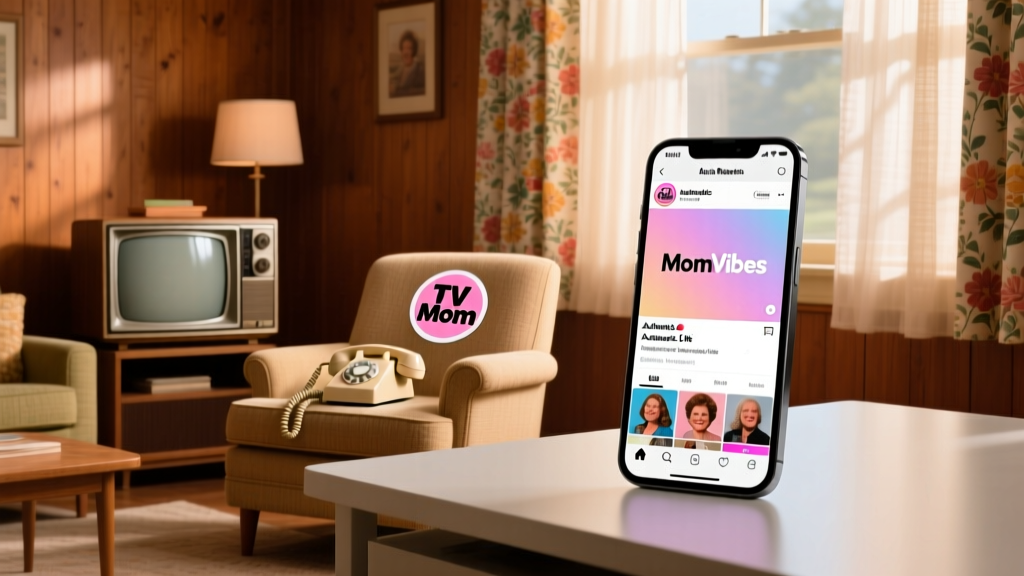
Let us directly compare the Doris Roberts 'TV Mom' brand to the modern alternative: the Instagram Lifestyle Mom. The modern influencer mom's bio often reads like a corporate press release mixed with a wellness brand: 'Mom of 3 | Coffee Enthusiast | Sharing our messy-beautiful life | Partnered with [Brand]'. The content is heavily filtered, the conflicts are resolved in neat 60-second reels, and the personality is often sanded down to avoid alienating potential sponsors.
Conversely, the archetype Roberts perfected is built on delightful friction. Marie Barone did not care if you liked her cooking; she cared that you ate it and acknowledged her superiority. She was fiercely protective, highly opinionated, and entirely unbothered by modern concepts of 'boundaries.' In a digital landscape saturated with homogenized, overly-polished alternatives, the 'Marie' archetype stands out because it is unapologetically human. When users engage with Doris Roberts content today, they are seeking the comfort of a personality that refuses to conform to polite societal expectations. For personal branding, this highlights a massive gap in the market: the demand for unapologetic, opinionated, and slightly flawed personas that feel real in a sea of digital artifice.
Personal Branding Takeaways for Your Own Bio
How can you apply the enduring legacy of Doris Roberts to your own Instagram, TikTok, or LinkedIn bio? By rejecting the boring alternatives and embracing a more distinct, character-driven approach. Here are three actionable takeaways to elevate your personal brand:
1. Ditch the 'Universal Palatability' Alternative
Most people write bios designed to offend no one, which results in connecting with no one. Take a page from the Marie Barone playbook. Inject a harmless but strong opinion into your bio. Instead of 'Food lover', try 'Will judge your pasta-to-sauce ratio.' Specificity and a touch of judgmental humor make you memorable and invite engagement from those who share your exact wavelength.
2. Embrace the 'Flawed but Loyal' Persona
Roberts' characters were often meddlesome, but their underlying motivation was always fierce love and loyalty. You can frame your professional or personal quirks as strengths in your bio. If you are a micromanager, rebrand it: 'I care too much about the details so you don't have to.' Own your 'flaws' and present them as the alternative to apathy.
3. Let Your Audience Define Your 'Meme'
As noted by The New York Times in their retrospective of her life, Roberts was a master of the silent reaction—the eye-roll, the stare. On social media, your 'meme' is the recurring joke or visual motif in your content. Pick one distinct facial expression, catchphrase, or recurring prop and weave it into your bio and content strategy. Let it become the shorthand for your personal brand.
The legacy of Doris Roberts proves that you do not need to be perfect to be iconic. By comparing her unfiltered, deeply rooted character brand to the sterile alternatives of modern influencer culture, we learn that authenticity, friction, and unapologetic confidence are the true drivers of digital longevity. Update your bio today, drop the generic buzzwords, and channel your inner matriarch.