When we think of personal branding, we often picture modern influencers and digital marketers. However, the concept of a distinct, recognizable visual identity has deep historical roots. Dorothea Lange, the pioneering American documentary photographer, built a personal brand defined by radical empathy, stark black-and-white contrasts, and an unwavering focus on the human condition. Though she passed away decades before the invention of social media, her visual signature remains one of the most powerful and studied brands in photographic history. For modern creators, analyzing the Dorothea Lange aesthetic offers a masterclass in visual storytelling. By comparing her historical approach to modern digital alternatives, we can uncover profound strategies for crafting a compelling online presence, portfolio, or Instagram bio that prioritizes authenticity and human connection over fleeting trends.
The Historical Brand of Dorothea Lange
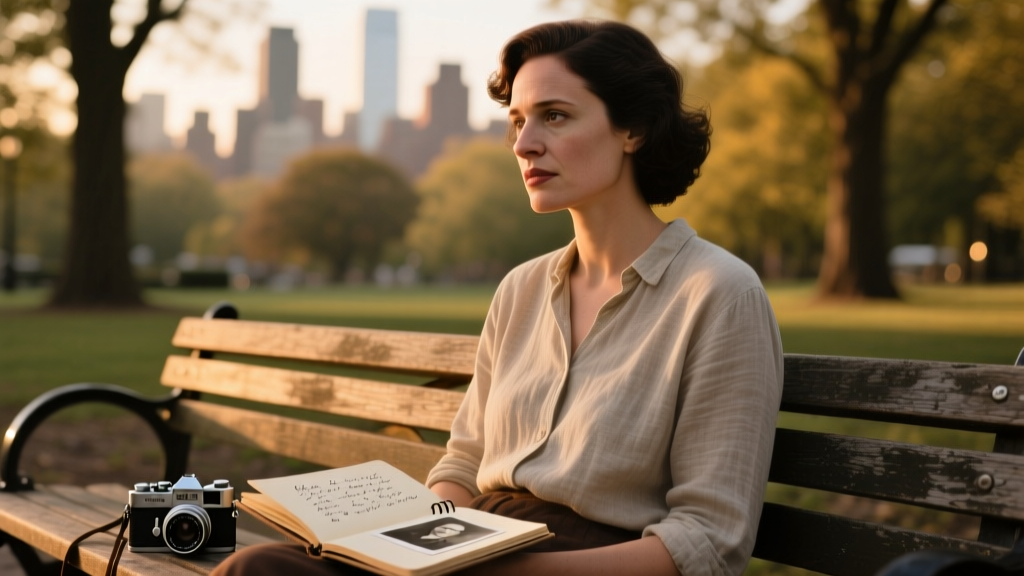
Lange did not have an Instagram bio, a Linktree, or a personal website. Her 'brand' was forged through her work with the Farm Security Administration (FSA) during the Great Depression. Her branding was rooted in proximity and dignity. Unlike contemporary photojournalists who shot from a distance with telephoto lenses, Lange physically approached her subjects, engaging them in conversation, and capturing their likenesses with a large-format camera that required deliberate, slow interaction. Her personal brand was not about the photographer's ego; it was about amplifying the voices of the marginalized. This ethos of 'subject-first' storytelling is a powerful alternative to the highly curated, personality-driven influencer bios we see today.
| Attribute | Details |
|---|---|
| Full Name | Dorothea Margaretta Nutzhorn Lange |
| Born | May 26, 1895 (Hoboken, New Jersey) |
| Died | October 11, 1965 (San Francisco, California) |
| Nationality | American |
| Known For | FSA Documentary Photography, 'Migrant Mother' |
| Digital Archives | Oakland Museum of California (OMCA), Library of Congress, MoMA |
Curating a Legacy: Social Media Presence of the Archives
Because Lange is a historical figure, her 'social media presence' is entirely managed by legacy institutions, primarily the Oakland Museum of California (OMCA) and the Library of Congress. When analyzing how these institutions brand her online, we see a fascinating alternative to modern personal branding. The OMCA Instagram account frequently features Lange's work, utilizing her original field notes and captions as the post copy. This is a brilliant branding strategy: instead of injecting modern, trendy captions, they let Lange's own meticulous, empathetic observations serve as the voice of the account.
For a modern creator, this offers a unique alternative for your own bio and content strategy. Instead of writing a bio filled with emojis and buzzwords, consider the 'Archival Approach.' This involves using a minimalist bio that states exactly what you document or create, paired with a pinned post that features your personal manifesto or a direct quote that encapsulates your mission. It shifts the focus from 'Look at me' to 'Look at what I am observing.'
Comparison: Lange vs. Modern Visual Storytelling Alternatives
To truly understand how to apply Lange's branding to modern platforms, we must compare her historical approach to contemporary alternatives in digital documentary storytelling. If you are building a visual brand on Instagram or a portfolio site, you generally fall into one of three archetypes, each with distinct bio and grid strategies.
1. The Empathetic Interviewer (The Brandon Stanton Alternative)
Brandon Stanton of 'Humans of New York' is the closest modern digital alternative to Lange's methodology. Like Lange, Stanton pairs striking, close-up portraiture with extensive, empathetic captions. While Lange's 'bio' was her reputation for dignity, Stanton's bio is built on community and shared vulnerability. If you are drawn to Lange's empathetic lens, the HONY alternative is highly applicable to Instagram. Your bio should be simple and inviting (e.g., 'Telling the stories of everyday people'), and your grid should alternate between striking portraits and carousel posts featuring long-form quotes from your subjects.
2. The Global Observer (The Steve McCurry / Magnum Alternative)
Where Lange focused intensely on the American working class, photographers like Steve McCurry or the collective brand of Magnum Photos focus on global, sweeping narratives. McCurry's brand is built on vibrant color and singular, iconic images (like the 'Afghan Girl,' which is often compared to Lange's 'Migrant Mother'). The alternative here is the 'Gallery Grid.' If your branding leans toward high-art documentary, your Instagram bio should read like a gallery placard—listing your awards, publications, and current exhibitions, while your grid maintains a strict, cohesive color palette or thematic focus.
3. The Intimate Archivist (The Vivian Maier Alternative)
Vivian Maier's brand was built entirely posthumously through the discovery of her street photography. Her 'brand' is one of mystery, observation, and the unposed moment. For creators who prefer to remain behind the camera, the Maier alternative is highly effective. Your bio can be entirely cryptic or location-based (e.g., 'Shadows of Chicago | 35mm'), and your online presence relies entirely on the raw, unedited authenticity of your visual grid, completely devoid of selfies or behind-the-scenes influencer content.
Adapting the Documentary Lens for Your Instagram Bio and Grid
How do we translate the spirit of Dorothea Lange into a 150-character Instagram bio and a cohesive visual grid? Lange's greatest branding asset was her consistency. She did not chase the photographic trends of her era; she committed to a specific format, a specific tonal range, and a specific subject matter. When crafting your own digital presence, the 'Lange Alternative' means stripping away the noise.
Consider your Instagram bio as the title card of a documentary exhibition. Lange's FSA captions were renowned for their precise, almost clinical details regarding the subject's circumstances, which paradoxically heightened the emotional impact. A modern bio inspired by this might look like: 'Documenting the rust belt | 4x5 Large Format | Oakland, CA.' It is devoid of fluff, establishing immediate authority and setting clear expectations for the visual grid below. Your grid should then follow her rule of proximity: don't just photograph the landscape; photograph the human experience within it.
Personal Branding Takeaways for Visual Creators
Whether you are a photographer, a digital marketer, or a visual artist, the legacy of Dorothea Lange provides actionable alternatives to standard social media practices. Here are the core branding takeaways you can apply to your own profiles today:
- The Power of the Signature Crop: Lange is famous for cropping out background distractions to force the viewer to confront the subject's eyes and hands. On your Instagram grid, adopt a 'Signature Crop.' Use consistent framing for your portraits so that when users scroll your feed, the visual rhythm is instantly recognizable as your brand.
- Empathy in Captions: Stop using captions solely for SEO keywords or engagement bait. Adopt the Lange/OMCA archival method: use your captions to provide deep, historical, or personal context about the subject you are featuring. Let the subject's own words or detailed observations drive the narrative.
- Bio Minimalism as Authority: Lange never needed to boast about her impact; her images did the work. Audit your current bio. Remove generic adjectives like 'passionate' or 'visionary.' Replace them with concrete nouns and verbs that describe exactly what you document, the tools you use, and the communities you serve.
- Commit to a Visual Tone: Lange's high-contrast, gritty black-and-white aesthetic was her visual watermark. While you don't need to shoot in black-and-white, you must establish a definitive color grade, lighting style, or film stock that acts as your digital watermark across all platforms.
Sources and Further Reading
- Oakland Museum of California (OMCA) - Dorothea Lange Collection: museumca.org
- Library of Congress - Farm Security Administration/Office of War Information Black-and-White Negatives: loc.gov
- The Museum of Modern Art (MoMA) - Dorothea Lange Archive and Exhibitions: moma.org