
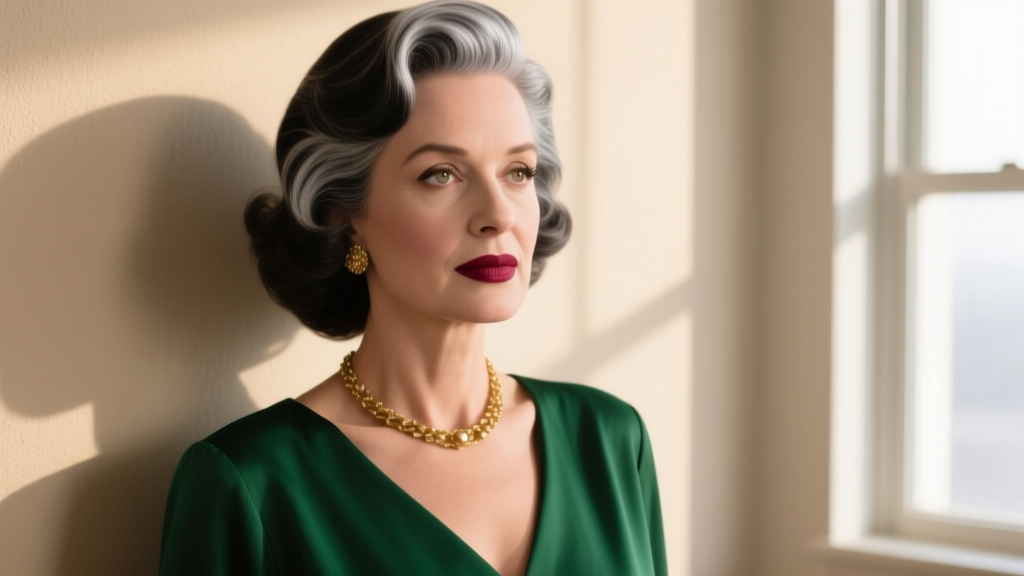
Contemporary personal branding strategies often equate constant visibility with value. Professionals and creators are routinely advised to post daily, share behind-the-scenes content, and meticulously craft an Instagram bio that captures their entire personality in 150 characters. Yet, when we examine the enduring appeal of classic Hollywood icons, a radically different strategy emerges. Dyan Cannon, the three-time Academy Award-nominated actress, director, and writer, offers a masterclass in what we call 'Legacy Branding.' By choosing privacy and letting a monumental body of work serve as her primary biography, Cannon has maintained an aura of timeless elegance that modern influencers struggle to achieve.
For the team at lovemebio.com, analyzing figures who successfully opt out of the social media rat race provides crucial insights into alternative branding methods. How do you build a personal brand when your primary strategy is absence? This case study explores the digital footprint of a Hollywood legend and extracts actionable takeaways for modern professionals seeking to build authority without sacrificing their privacy.
Quick Facts: The Woman Behind the Legacy
| Attribute | Details |
|---|---|
| Full Name | Samile Diane Friesen |
| Born | January 4, 1937 (Tacoma, Washington) |
| Nationality | American |
| Known For | Actress, Director, Screenwriter, Producer |
| Notable Works | Bob & Carol & Ted & Alice, Heaven Can Wait, Revenge of the Pink Panther |
| Social Media Handles | None (Managed via IMDb, Wikipedia, and Estate Archives) |
The Evolution of a Hollywood Icon
Before analyzing her digital footprint, it is essential to understand the foundation of her brand: undeniable talent and versatility. Cannon broke through in the late 1960s, earning an Academy Award nomination for Best Supporting Actress for her role in Paul Mazursky's groundbreaking comedy Bob & Carol & Ted & Alice (1969). This role established her brand identity as a sharp, witty, and deeply relatable presence on screen.
She cemented her status in the 1970s with another Oscar nomination for Heaven Can Wait (1978), playing the hilariously vindictive Julia Farnsworth. However, Cannon was not content to remain solely in front of the camera. In an era when female directors were exceedingly rare in the studio system, she wrote, directed, and produced the short film Number One (1976), which earned an Academy Award nomination for Best Live Action Short. She later directed the feature-length documentary The Boy from Tacoma (2018), proving that her brand was rooted in creative autonomy and storytelling, not just celebrity.
Career Highlights & Filmography
| Year | Title | Role / Contribution | Accolades |
|---|---|---|---|
| 1969 | Bob & Carol & Ted & Alice | Alice Henderson | Oscar Nomination (Best Supporting Actress) |
| 1971 | Doctors' Wives | Lorrie Dellman | Critical Acclaim |
| 1976 | Number One | Director, Writer, Producer | Oscar Nomination (Best Live Action Short) |
| 1978 | Heaven Can Wait | Julia Farnsworth | Oscar Nomination (Best Supporting Actress) |
| 1978 | Revenge of the Pink Panther | Simone Legree | Box Office Success |
| 2018 | The Boy from Tacoma | Director, Producer | Festival Circuit Recognition |
Analyzing Dyan Cannon's Social Media Presence: The Curated Void
If you search for an official Dyan Cannon Instagram, TikTok, or X (formerly Twitter) account, you will come up empty-handed. In a landscape where celebrities leverage social media to launch lifestyle brands and maintain relevance, Cannon’s complete absence from these platforms is a deliberate and powerful branding choice. We classify this strategy as the Curated Void.
When a public figure of her stature refuses to engage in daily digital chatter, the internet fills the void with high-quality, editorial content. A search for Cannon yields her meticulously maintained IMDb biography, comprehensive Wikipedia entries, archived interviews from prestigious publications like The Hollywood Reporter, and her deeply personal 2011 memoir, Dear Cary: My Life with Cary Grant.
Her 'bio' is not a string of emojis and link-trees; it is a curated archive of cinematic history. By not diluting her brand with casual selfies or fleeting opinions on social media, Cannon’s digital footprint remains entirely focused on her professional achievements and her carefully controlled personal narrative. This creates a 'scarcity effect.' Because she is not constantly in the public eye, every new interview, documentary appearance, or archival release becomes a significant event. Her brand is synonymous with classic Hollywood glamour, mystery, and artistic integrity—traits that are nearly impossible to maintain when posting daily stories from a coffee shop.
Personal Branding Takeaways: What We Can Learn
While most lovemebio.com readers are not Academy Award-nominated actors, the principles behind Cannon’s legacy branding are highly applicable to modern professionals, executives, and creatives who want to build authority without burning out on social media.
1. The Scarcity Principle in Digital Branding
There is a pervasive myth that you must be everywhere to be someone. Cannon’s career proves the opposite. By limiting her digital exposure, she elevates her perceived value. Application: If you are a consultant, lawyer, or senior executive, consider stepping back from high-frequency, low-value posting. Instead of daily updates, publish one highly researched, deeply insightful article or case study per month. Make your audience come to you for quality, not quantity.
2. Let Your Portfolio Be Your Bio
Cannon’s legacy is secured by her filmography, not her follower count. Her IMDb page acts as the ultimate professional bio, detailing her transition from actress to director. Application: Shift the focus of your LinkedIn or personal website away from catchy taglines and toward a robust, detailed portfolio. Let your case studies, white papers, and completed projects serve as the primary text of your personal brand. A well-documented history of success is the most compelling bio you can write.
3. Own Your Narrative Through Long-Form Media
When Cannon wanted to address the most scrutinized aspect of her personal life—her marriage to Cary Grant—she didn't do it via a viral tweet or an Instagram Live. She wrote a comprehensive, 500-page memoir (Dear Cary). This allowed her to control the context, nuance, and depth of her story. Application: When sharing your professional journey or overcoming industry challenges, opt for long-form mediums. A dedicated blog post, a podcast appearance, or a published industry book allows you to own your narrative completely, free from the character limits and toxic comment sections of social media.
4. Timelessness Over Trends
Social media bios often rely on current slang, trending audio, and fleeting internet aesthetics. Cannon’s brand relies on the timelessness of her art. Application: Audit your current social media bios and website copy. Remove hyper-specific internet jargon that will age poorly. Focus on clear, authoritative language that highlights your core competencies and enduring values. A bio that reads well today should still read well in five years.
Conclusion
Dyan Cannon’s approach to public life challenges the modern obsession with oversharing. Her legacy proves that a powerful personal brand does not require a meticulously crafted Instagram bio or a viral social media strategy. Sometimes, the most authoritative brand you can build is one rooted in exceptional work, deliberate privacy, and the confidence to let your achievements speak for themselves. As you refine your own digital presence, ask yourself: are you building a fleeting internet persona, or are you crafting a lasting legacy?
Sources & Further Reading
- IMDb Biography: Comprehensive career timeline and directorial credits. (imdb.com/name/nm0001015/bio/)
- Turner Classic Movies (TCM): Archival data on classic Hollywood branding and filmography. (tcm.com/tcmdb/person/29480)
- Dear Cary: My Life with Cary Grant (2011): Cannon's memoir, serving as a primary example of long-form narrative ownership.