
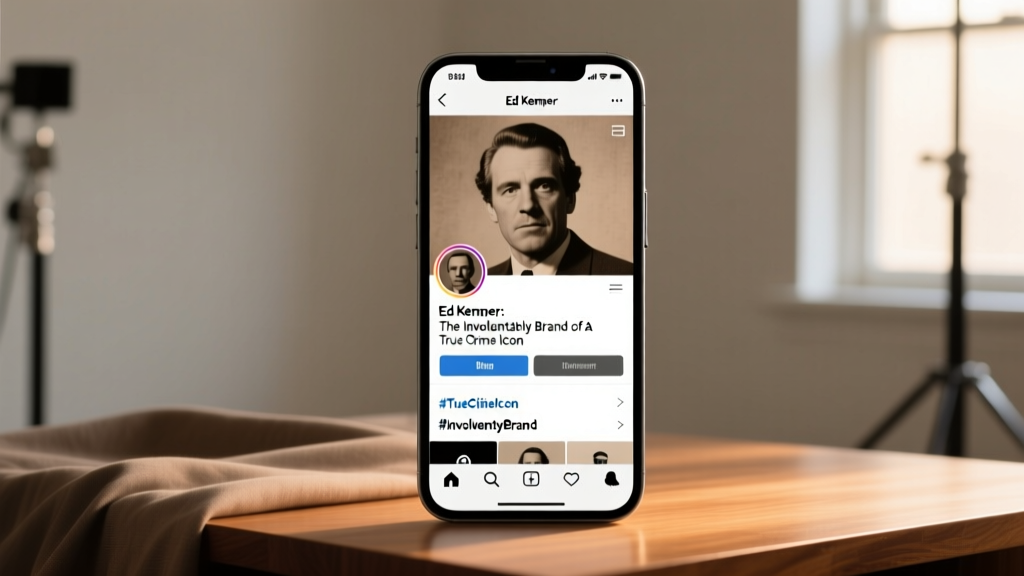
When analyzing digital footprints, few subjects offer a more complex case study in involuntary personal branding than Ed Kemper. Unlike modern influencers or celebrities who meticulously craft their Instagram bios and curate their online personas, Kemper’s digital footprint is entirely constructed by others. As the notorious 'Co-ed Killer' whose crimes shocked the nation in the 1970s, Kemper has spent decades incarcerated. Yet, in the modern digital era, his name drives millions of search queries, podcast downloads, and YouTube views.
For SEO experts, true crime content creators, and digital marketers, the Ed Kemper phenomenon offers a fascinating masterclass in media framing, audience psychology, and the ethics of digital storytelling. At lovemebio.com, we usually dissect the bios of influencers and entrepreneurs. However, understanding how historical and controversial figures are 'branded' by the internet provides crucial lessons for creators navigating sensitive niches, managing reputation, and building authoritative platforms.
Quick Facts: The Man Behind the Media Narrative
| Attribute | Details |
|---|---|
| Full Name | Edmund Emil Kemper III |
| Born | December 18, 1948 |
| Nationality | American |
| Known For | 1970s crimes, FBI interviews, pop culture true crime subject |
| Official Social Media | None (Involuntary Digital Footprint) |
| Primary Media Portrayal | Netflix's 'Mindhunter' (portrayed by Cameron Britton) |
The Ed Kemper Digital Footprint: An Involuntary Brand
Personal branding is typically defined as the intentional promotion of oneself. Ed Kemper’s 'brand,' however, is entirely involuntary. It is a composite built by FBI profilers, documentary filmmakers, true crime authors, and streaming algorithms. The core of his media brand relies on a psychological paradox: the contrast between his articulate, polite, and highly intelligent demeanor (often described by early journalists as the 'gentle giant') and the brutal reality of his crimes.
From a branding perspective, this duality is exactly what makes him a perennial subject of fascination. In digital marketing, contrast creates engagement. True crime podcasters and YouTubers leverage this paradox in their thumbnails, titles, and hooks. They brand the Ed Kemper story not just as a tale of violence, but as a psychological puzzle. For content creators, the takeaway is clear: audiences are drawn to complexity and contrast. However, when dealing with real-world tragedy, creators must balance this engagement with ethical responsibility, ensuring the 'brand' of the story does not overshadow the reality of the victims.
Social Media Presence: The Paradox of the Absent Bio
If you search for Ed Kemper on Instagram, TikTok, or X, you will not find an official profile. There is no bio to analyze, no posting style to emulate, and no direct follower engagement. His 'social media presence' is entirely a proxy, driven by the #TrueCrimeTok community, documentary fan pages, and amateur sleuths.
On TikTok, the hashtag #EdKemper has amassed tens of millions of views. The content ranges from psychological analyses by licensed therapists to dramatic reenactments of his FBI interviews. The 'engagement' on these posts reveals a dark side of internet culture known as hybristophilia—the romanticization or intellectualization of criminals. Some fan pages attempt to craft a 'bio' for him using vintage photographs and quotes from his interrogations, effectively turning a historical monster into an aestheticized internet character.
For digital professionals, this highlights a critical lesson in Brand Hijacking. When a person or entity does not control their own digital narrative, the internet will create one for them. This is why proactive reputation management and securing your digital real estate (handles, domains, bios) is vital for professionals. If you leave a void in your personal branding, others will fill it with their own narratives, which may not align with your reality or values.
The Mindhunter Effect: SEO and Pop Culture Branding
The most significant shift in the Ed Kemper digital footprint occurred with the release of David Fincher’s Netflix series, Mindhunter. Cameron Britton’s chilling, Emmy-nominated portrayal of Kemper introduced him to a new generation. From an SEO and digital branding perspective, Mindhunter acted as a massive catalyst for search velocity.
Before the show, Kemper was a subject relegated to niche true crime forums and dusty library archives. After the show, he became a pop-culture search term. Netflix’s branding strategy—using stark, psychological promotional materials—framed Kemper not as a slasher villain, but as an intellectual adversary to the FBI. This elevated the 'prestige' of the true crime genre. Content creators who aligned their blogs, podcasts, and YouTube channels with the Mindhunter aesthetic and keywords saw massive spikes in organic traffic. They optimized their own bios and channel descriptions to include terms like 'criminal profiling,' 'FBI interviews,' and 'behavioral science,' riding the coattails of the show's branding success.
Personal Branding Takeaways for Digital Creators
While you should never emulate the actions of a criminal, analyzing how the media and creators brand the Ed Kemper story offers profound lessons for those building a personal brand in the true crime, psychology, or documentary niches.
- Niche Authority vs. Sensationalism: The most respected true crime creators use their Instagram bios and channel descriptions to establish authority. They use phrases like 'Victim Advocate,' 'Forensic Psychology Student,' or 'Investigative Journalist.' This bio framing signals to the algorithm and the audience that the content is educational, not exploitative.
- Ethical Content Crafting: When covering dark subjects, your personal brand must reflect empathy. Creators who build long-term, sustainable brands in this space explicitly state their ethical boundaries in their bios (e.g., 'Focusing on the victims, not the perpetrators').
- The Power of the Interview Format: Kemper’s notoriety is heavily tied to his recorded interviews. For modern creators, podcasting and long-form video interviews remain the gold standard for building deep audience trust. Your bio should direct followers to your most in-depth, authoritative content.
Reputation Management: Lessons from the Dark Side
The Ed Kemper case study is a stark reminder of the permanence of the digital footprint. Long before the internet, Kemper’s meticulous documentation of his own crimes and his willingness to speak with the FBI sealed his historical reputation. Today, every podcast episode, tweet, and TikTok video adds another layer to his digital permanence.
For business leaders, influencers, and everyday professionals, the lesson is about digital hygiene. Your personal brand is the sum total of your digital artifacts. Just as Kemper cannot escape the digital archive of his past, modern professionals must be mindful that today's social media posts, bio updates, and public comments become tomorrow's permanent record. Proactive personal branding is not just about looking good today; it is about controlling the narrative of your legacy for the future.
Sources and Further Reading
To understand the intersection of criminal history and media branding, we recommend reviewing the following primary and secondary sources:
- The FBI Vault: Edmund John Kemper III - Official records and historical context regarding FBI interviews.
- Netflix Media Center: Mindhunter - Analysis of the visual branding and pop-culture impact of the series.
- Mindhunter by John Douglas and Mark Olshaker - The foundational text on behavioral profiling that shaped the modern media narrative.
Ultimately, the digital brand of Ed Kemper is a mirror reflecting society's morbid curiosities and the power of media framing. For the creators at lovemebio.com and our readers, it serves as a powerful reminder: whether you are an influencer, an entrepreneur, or a historical figure, your narrative will be written. The only choice you have is whether you hold the pen.