
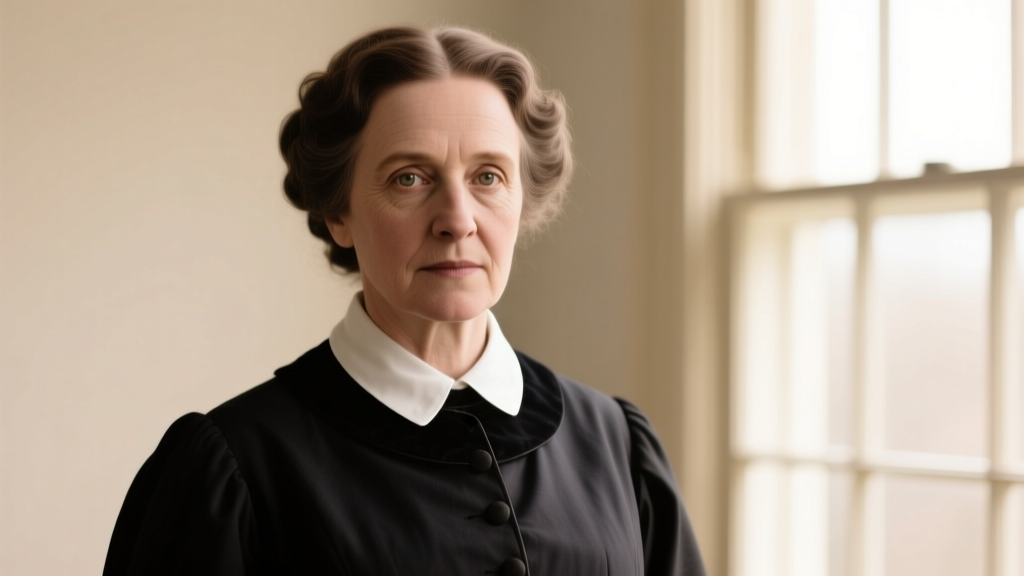
Before the digital age, personal branding was forged through speeches, pamphlets, and unapologetic public stances. Elizabeth Cady Stanton was an absolute master of this analog era. As a pioneering suffragist, writer, and social reformer, she didn't just fight for women's rights; she crafted an enduring public persona that demanded attention, respect, and systemic change. Today, her legacy thrives online, offering modern advocates, entrepreneurs, and creators a masterclass in building a purpose-driven profile. Let's explore how Elizabeth Cady Stanton built an iconic historical brand and how you can apply her brilliant rhetorical tactics to your own social media bio and digital presence.
Quick Facts: The Architect Of A Movement
| Attribute | Details |
|---|---|
| Full Name | Elizabeth Cady Stanton |
| Born | November 12, 1815 (Johnstown, New York) |
| Nationality | American |
| Known For | Seneca Falls Convention, Declaration of Sentiments, NWSA |
| Digital Legacy | Curated by @NPS, @WomensRightsNHP, @Smithsonian |
The Digital Footprint Of Elizabeth Cady Stanton
Because she passed away in 1902, Stanton does not have a personal Instagram, TikTok, or X account. However, her social media presence is fiercely protected, curated, and amplified by major historical institutions and modern feminist organizations. Accounts like the Women's Rights National Historical Park (@WomensRightsNHP) and the National Park Service (@NPS) act as the digital custodians of her personal brand.
When these institutional accounts post her archival portraits or her most biting quotes, engagement skyrockets. Why? Because her brand archetype—the intellectual 'Rebel' mixed with the visionary 'Sage'—resonates deeply with modern audiences seeking authenticity and justice. Furthermore, modern activists, writers, and politicians frequently use her quotes, such as 'The best protection any woman can have is courage,' in their own Instagram bios. This proves that a truly powerful personal brand transcends the platform it was built on; it becomes a cultural touchstone. Her digital footprint teaches us that an impactful bio isn't just about listing your job title; it's about clearly signaling what you stand for.
Deconstructing Her Historical Bio And Rhetoric
Think of the Declaration of Sentiments as Stanton's ultimate 'Link in Bio' manifesto. In 1848, she didn't just write a polite petition; she crafted a radical document that immediately established her authority, her grievances, and her non-negotiable demands. By brilliantly mimicking the structure of the Declaration of Independence, she hijacked the patriarchal narrative and inserted women's rights directly into the American ethos. That is elite personal branding. She positioned herself not as a passive participant in society, but as the chief architect of a new social order.
Furthermore, her extensive correspondence with Susan B. Anthony reveals a strategic mind constantly refining her public messaging. Stanton was the philosophical heavyweight and the primary wordsmith, while Anthony was the brilliant organizer and the megaphone. Together, they formed the most powerful brand partnership of the 19th century. For modern creators and founders, this highlights the vital importance of knowing your specific role in your niche and collaborating with those who complement your weaknesses.
Career Highlights And Activism Milestones
- 1840: Attends the World Anti-Slavery Convention in London, where she meets Lucretia Mott, sparking her lifelong dedication to systemic reform.
- 1848: Co-organizes the Seneca Falls Convention and authors the Declaration of Sentiments, officially launching the women's rights movement in the US.
- 1869: Founds the National Woman Suffrage Association (NWSA) with Susan B. Anthony, serving as its president for two decades.
- 1881-1922: Co-authors the monumental History of Woman Suffrage, ensuring the movement's historical narrative was controlled by its founders.
- 1895: Publishes The Woman's Bible, a highly controversial text that challenged orthodox religious views, proving she was willing to risk mainstream popularity for her core intellectual beliefs.
Visual Identity And Archival Branding
When analyzing how Stanton is presented visually online today, we see a consistent theme of authority. Unlike some historical figures who are romanticized or softened, digital archives and museum exhibits present Stanton with a stern, uncompromising gaze. Her visual brand relies on Victorian-era formality, which modern graphic designers often juxtapose with bold, modern typography when creating quotes for social media. This contrast between historical imagery and modern design makes her content highly shareable. For your own profile, consider how your profile picture and visual aesthetics communicate your core message before a user even reads your bio text.
Personal Branding Takeaways For Modern Creators
How can you channel the brilliance of Elizabeth Cady Stanton into your own digital presence? Here are actionable takeaways for your social media profiles:
- Draft Your Own Declaration (The Manifesto Bio): Don't just list your job title. Use your bio to state your core beliefs. Stanton used the Declaration of Sentiments to make a bold, unignorable statement. Use your Instagram, X, or LinkedIn bio to declare what you stand against and what you are fighting for. Use strong, active verbs.
- Leverage Strategic Partnerships: Stanton and Anthony were an unstoppable duo because they divided the labor based on their unique strengths. Tag your collaborators, feature your creative partners in your bio, and build a network that elevates your personal brand through association.
- Use High-Impact Quotes: Stanton's words are still used in millions of social media bios today because they are punchy, profound, and action-oriented. If you are a speaker, coach, or author, distill your philosophy into a single, memorable sentence and pin it to the top of your profile or use it as your headline.
- Embrace Controversy For Authenticity: When Stanton published The Woman's Bible, it alienated some conservative supporters, but it cemented her legacy as a fearless, independent thinker. Don't water down your bio to appease everyone. Speak your truth, and you will attract a deeply loyal, highly engaged audience.
Bio Formatting Examples Inspired By Stanton
If Stanton were alive today to consult with lovemebio.com, here is how she might structure her Instagram bio for maximum impact:
Example 1 (The Manifesto):
Architect of the Declaration of Sentiments 📜
Fighting for systemic equality & intellectual freedom.
Courage is the best protection. 🛡️
Read my latest essays 👇
Example 2 (The Authority):
President, National Woman Suffrage Association.
Co-Author: History of Woman Suffrage.
Redefining the social contract. ⚖️
Join the movement below ⬇️
Notice how these examples avoid passive language. They use authoritative titles, state a clear mission, and include a compelling call to action. By adopting this framework, you transform your profile from a simple digital business card into a powerful engine for personal branding.
Sources And Further Reading
- National Park Service: Women's Rights National Historical Park (nps.gov/wori)
- Library of Congress: Elizabeth Cady Stanton Papers and Digital Archives
- Smithsonian Magazine: Archives on the Suffrage Movement and Historical Branding