
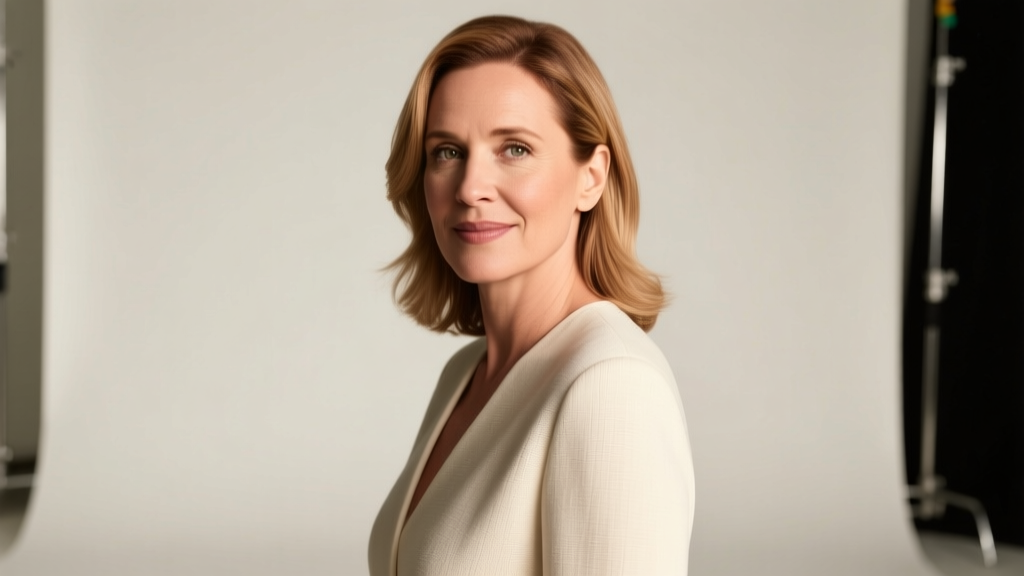
When analyzing celebrity digital footprints, few case studies are as complex and polarizing as Felicity Huffman. Once the quintessential television mother and indie-film darling, Huffman’s public image underwent a seismic shift following the 2019 college admissions scandal. Today, her approach to personal branding and social media is defined not by what she posts, but by what she deliberately withholds. In this critical review, we examine the pros, cons, and strategic silence of Felicity Huffman's online presence, extracting actionable personal branding takeaways you can apply to your own social media bios and digital reputation management.
Quick Facts: Felicity Huffman at a Glance
| Attribute | Details |
|---|---|
| Full Name | Felicity Kendall Huffman |
| Born | December 9, 1962 (Syracuse, New York) |
| Nationality | American |
| Known For | Desperate Housewives, Transamerica, American Crime |
| Social Media Handles | No verified public Instagram, X (Twitter), or TikTok accounts |
| Primary Digital Footprint | IMDb, Traditional Press, Wikipedia |
The Evolution of Felicity Huffman's Personal Brand
To understand Huffman's current digital strategy, we must first look at her baseline brand. For over two decades, Huffman cultivated an image of the grounded, serious actor. While her peers were launching lifestyle brands, Huffman was winning an Emmy for Desperate Housewives (2005) and securing an Oscar nomination for Transamerica (2005). Her brand was built on craft, not virality. She later cemented her prestige status with Ryan Murphy’s American Crime, earning further critical acclaim.
However, the 2019 'Operation Varsity Blues' scandal shattered this carefully curated prestige brand. In an era where celebrities are expected to issue tearful, multi-slide Instagram apologies or launch immediate redemption podcast tours, Huffman took a radically different route. She accepted responsibility, served her 14-day federal prison sentence, and subsequently vanished from the public eye. Her personal brand transitioned from 'Hollywood Elite' to 'Digital Ghost,' relying entirely on the slow, quiet rehabilitation of returning to independent cinema, such as her 2024 film When You're Here.
Social Media Presence: A Critical Review of Digital Silence
Contrast Felicity Huffman with her Desperate Housewives co-stars. Eva Longoria leveraged Instagram to build a massive lifestyle, tequila, and media empire. Teri Hatcher uses social media for direct fan engagement and wellness branding. Marcia Cross shares deeply personal health journeys. Huffman, conversely, has entirely rejected the influencer economy.
From a social media management perspective, Huffman's 'bio' is essentially an anti-bio. She does not have a verified Instagram account to control her narrative. She does not use X (formerly Twitter) to clap back at critics. Her digital footprint is entirely curated by third parties: journalists, Wikipedia editors, and IMDb database managers. This strategic silence is a fascinating case study in reputation management. By refusing to feed the 24-hour social media cycle, she starves the tabloids of the daily engagement metrics they need to keep the scandal trending. Her absence forces the public and the media to evaluate her solely on her professional output rather than her personal controversies.
Pros and Cons of the 'Ghost' Branding Strategy
Is total digital silence a viable personal branding strategy? Let us break down the pros and cons of the Huffman approach.
The Pros
- Narrative Starvation: Without a daily feed to mine for controversy, gaffe, or 'insincere' apologies, the media cycle eventually moves on. Silence protects mental health and prevents the 'apology tour' fatigue that often alienates audiences further.
- Preservation of Mystique: In an age of oversharing, mystery is a premium asset. By withholding access, Huffman maintains the traditional Hollywood boundary between the actor and the public, which can elevate the perceived prestige of her work.
- Focus on the Portfolio: Without the distraction of a lifestyle brand, the public is forced to engage with her actual profession: acting. Her comeback is rooted in indie films, not sponsored posts.
The Cons
- Loss of Narrative Control: When you do not write your own bio, the internet writes it for you. Huffman’s digital identity is heavily skewed toward her scandal because she offers no competing, positive daily content to balance the SEO results.
- Severed Parasocial Relationships: Fans of Lynette Scavo felt a deep, parasocial connection to Huffman. By disappearing, she offered no bridge for loyal fans to support her rehabilitation, resulting in a total loss of her grassroots fanbase.
- Missed Commercial Opportunities: The modern entertainment industry relies heavily on an actor's social media reach for casting decisions. Lacking a digital footprint inherently limits her marketability for mainstream, big-budget studio projects.
Career & Filmography: The Portfolio as a Bio
For professionals who eschew social media, the portfolio becomes the bio. Huffman’s career highlights serve as her primary resume and branding tool:
- The Indie Darling (1990s): Quizzes and Shows, Magnolia (1999) - Established her as a serious, risk-taking actor.
- The TV Powerhouse (2004–2012): Desperate Housewives - Brought mainstream fame, an Emmy Award, and household-name status.
- The Prestige Dramatist (2015–2017): American Crime - Re-established her critical credibility and earned multiple Emmy nominations.
- The Quiet Comeback (2024–Present): When You're Here - A low-budget indie drama that signals a return to character-driven storytelling, bypassing the mainstream Hollywood machine entirely.
Personal Branding Takeaways for Your Own Profile
While most of us are not managing the fallout of a federal scandal, Huffman’s approach to digital presence offers profound lessons for everyday personal branding and bio optimization.
1. The Power of the Minimalist Bio
You do not need a link-in-bio tree with 15 different URLs to appear professional. In fact, cluttered bios often look desperate or spammy. Take a page from the Huffman playbook: keep your Instagram or LinkedIn bio incredibly sparse. A simple, one-sentence value proposition and a single link to your primary portfolio or website creates an aura of confidence and professionalism. Less is often more.
2. Boundaries as a Brand Asset
Huffman’s refusal to overshare highlights the importance of digital boundaries. You do not owe your audience (or your LinkedIn network) your daily thoughts, political opinions, or personal crises. Curating a strict boundary around what you share makes the content you do publish significantly more impactful. Decide what your brand is not, and ruthlessly edit your profile to reflect those boundaries.
3. Let Your Work Speak (The 'IMDb' Strategy)
If you are a freelancer, creative, or professional, your ultimate bio is your body of work. Instead of filling your social media bios with buzzwords like 'Guru' or 'Ninja,' ensure your profiles link directly to high-quality case studies, published articles, or a clean personal website. When people search for you, you want them to find your tangible achievements, not just your social media commentary.
4. Strategic Silence During a Crisis
If you face a professional misstep or a PR crisis, the instinct is to over-communicate, post defensive tweets, or flood your feed with 'good deeds' to offset the negative press. Huffman’s strategy teaches us that stepping back, doing the necessary work in private, and allowing time to pass is often the most dignified and effective way to rehabilitate a personal brand. Silence is a valid and powerful communication strategy.
Sources & Further Reading
To further explore the intersection of celebrity, scandal, and personal branding, the following sources provide excellent context on Felicity Huffman's career and digital footprint:
- IMDb - Felicity Huffman: A comprehensive look at her portfolio and career timeline, serving as her primary digital 'bio'. (imdb.com)
- NPR - Sentencing and Scandal Coverage: In-depth reporting on the 2019 admissions scandal and the immediate impact on the public figures involved. (npr.org)
- Vanity Fair - Hollywood Comebacks: Analysis of how actors navigate the modern media landscape and attempt career rehabilitation post-controversy. (vanityfair.com)