
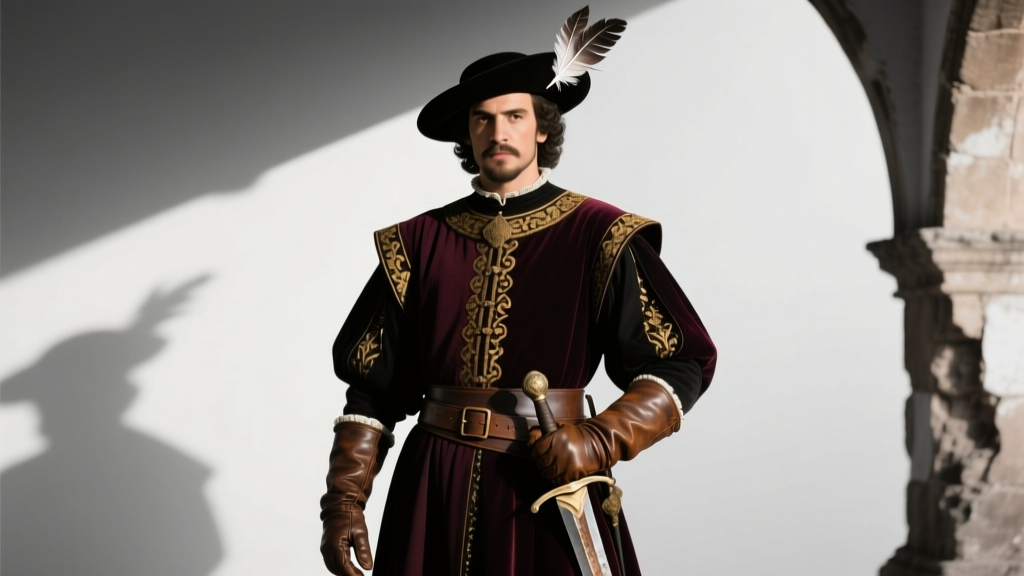
Francisco Pizarro: Pros, Cons & Critical Legacy Review
When examining the architects of the New World, few figures command as much fascination and infamy as Francisco Pizarro. The Spanish conquistador’s historical "personal brand" is one of relentless ambition, strategic genius, and profound moral controversy. While he didn't have an Instagram bio or a Twitter profile, Pizarro mastered the 16th-century equivalent of personal branding: royal petitions, self-aggrandizing letters to the Spanish Crown, and the strategic acquisition of noble titles. In this critical review, we break down the pros, cons, and lasting legacy of Francisco Pizarro, analyzing how he engineered his historical narrative and what modern personal branding lessons we can extract from his complex, deeply polarizing life.
Quick Facts: The Conquistador's Profile
| Attribute | Details |
|---|---|
| Full Name | Francisco Pizarro González |
| Born | c. 1471, Trujillo, Crown of Castile |
| Died | June 26, 1541, Lima, Peru |
| Nationality | Spanish |
| Known For | Conquest of the Inca Empire, founding Lima |
| Historical "Handles" | Letters to King Charles V, Marquess of the Atavillos |
The Historical "Bio": How Francisco Pizarro Branded Himself
Long before the concept of a digital footprint, Francisco Pizarro understood the power of controlling his own narrative. Born out of wedlock and lacking formal education or noble wealth, Pizarro had to craft a "bio" that appealed to the most powerful men in Europe. His primary branding tool was the written petition. Through his letters to King Charles V of Spain, Pizarro positioned himself not merely as a soldier of fortune, but as a pious emissary of the Crown and a bringer of civilization.
His masterstroke in personal branding was the Capitulación de Toledo (1529). By traveling back to Spain to pitch his vision directly to the royal court, he secured the title of Governor and Captain-General of New Castile. He effectively branded himself as the sole legitimate authority over the yet-to-be-conquered Inca Empire, edging out his former partners like Diego de Almagro. Pizarro also adopted the visual branding of the era: a lavish coat of arms featuring the very Inca emperor he would later betray, cementing his image as a conqueror of empires.
Major Conquests & Career Highlights
- 1524–1525 (First Expedition): Explored the western coast of South America, facing harsh conditions and establishing his resilience.
- 1526–1528 (Second Expedition): Reached the Tumbes region, confirming the existence of a wealthy, organized empire (the Incas) and securing the "Fame Island" treasure.
- 1532 (The Ambush at Cajamarca): Captured the Inca Emperor Atahualpa with fewer than 200 men, a defining moment of tactical asymmetry.
- 1535 (Founding of Lima): Established the City of Kings, cementing his political and administrative legacy in the region.
Pros & Cons: A Critical Review of His Leadership
The Pros: Strategic Brilliance and Resilience
From a purely strategic standpoint, Pizarro’s leadership pros are undeniable. He possessed an unmatched tolerance for adversity. His early expeditions were plagued by starvation, disease, and mutiny, yet his resilience kept his core team intact. Furthermore, Pizarro was a master of asymmetric warfare and geopolitical exploitation. He recognized that the Inca Empire was fractured by a devastating civil war between brothers Huáscar and Atahualpa. Instead of fighting a unified front, Pizarro branded himself as a liberator and ally to the losing faction, using indigenous alliances to topple an empire of millions with a few hundred Spaniards.
The Cons: Ruthlessness, Betrayal, and a Toxic Legacy
The cons of Pizarro’s brand are rooted in extreme moral bankruptcy and short-sighted greed. His most infamous act of bad faith was the execution of Atahualpa. After the Inca emperor filled a room with gold and two with silver to pay his ransom, Pizarro reneged on the deal, staging a mock trial and executing him via garrote. This betrayal shattered any trust with the indigenous population and ignited decades of rebellion. Furthermore, his inability to share power and wealth with his fellow Spaniards—particularly his bitter rivalry with Diego de Almagro—created a highly toxic internal culture. This poor "team management" ultimately led to his assassination by Almagro's supporters in 1541.
Social Media Presence & Modern Digital Footprint
How does a 16th-century conquistador fare in the modern social media landscape? While Francisco Pizarro lacks official accounts, his digital footprint is vast, highly contested, and serves as a fascinating case study in historical rebranding. On platforms like Instagram, TikTok, and YouTube, history-centric accounts frequently feature Pizarro, but the framing has shifted dramatically in recent years.
Historically, Eurocentric textbooks branded Pizarro as a heroic explorer. Today, digital creators, particularly those from Latin America and indigenous heritage, have reclaimed the narrative. On TikTok and Instagram Reels, content analyzing the Cajamarca ambush often goes viral, with creators using green-screen effects to highlight primary sources that expose Pizarro’s deceit. His "brand" online is now overwhelmingly that of an imperialist villain.
However, from an engagement standpoint, this controversy is exactly what keeps his name relevant. History debate pages thrive on the comments sections of Pizarro-related posts, where users argue over the morality of the conquest, the impact of disease versus military tactics, and the complexities of the Spanish-Indigenous alliances. His digital presence proves that a highly polarizing historical figure will always generate high engagement, even if the modern consensus has entirely rejected his original self-appointed "heroic" branding.
Personal Branding Takeaways for Modern Creators
What can modern entrepreneurs, influencers, and professionals learn from the rise and fall of Francisco Pizarro’s historical brand?
- Secure Your Core Narrative Early: Pizarro didn’t just wander into Peru; he went to the King of Spain to secure his legal and narrative mandate first. In modern terms, this means defining your niche, securing your trademarks, and establishing your core "bio" before launching your major campaigns.
- Leverage Asymmetric Advantages: Pizarro succeeded by exploiting a niche advantage (cavalry, steel, and political division) against a massive competitor. Modern brands should look for underserved niches and leverage unique, unconventional tools to outpace larger, slower competitors.
- The Danger of a Toxic Brand: Pizarro’s betrayal of Atahualpa and his partners resulted in a legacy defined by treachery and a literal fatal end. In personal branding, trust is your most valuable currency. A brand built on deceit, clickbait, or exploiting your audience may yield short-term gains (like the Inca gold), but it will ultimately lead to long-term cancellation and a toxic legacy.
- Adapt to Audience Shifts: Pizarro’s original "heroic" brand was entirely dismantled by modern historians and digital creators who amplified marginalized voices. Modern brands must remain culturally aware and adaptable; a tone or narrative that worked a decade ago may be heavily criticized by today’s socially conscious audience.
References
- Hemming, J. (1970). The Conquest of the Incas. Harcourt Brace Jovanovich.
- Encyclopædia Britannica. (2023). "Francisco Pizarro | Biography, Conquest, & Facts". Retrieved from Britannica.com.
- National Geographic. (n.d.). "Inca Empire". Retrieved from NationalGeographic.com.