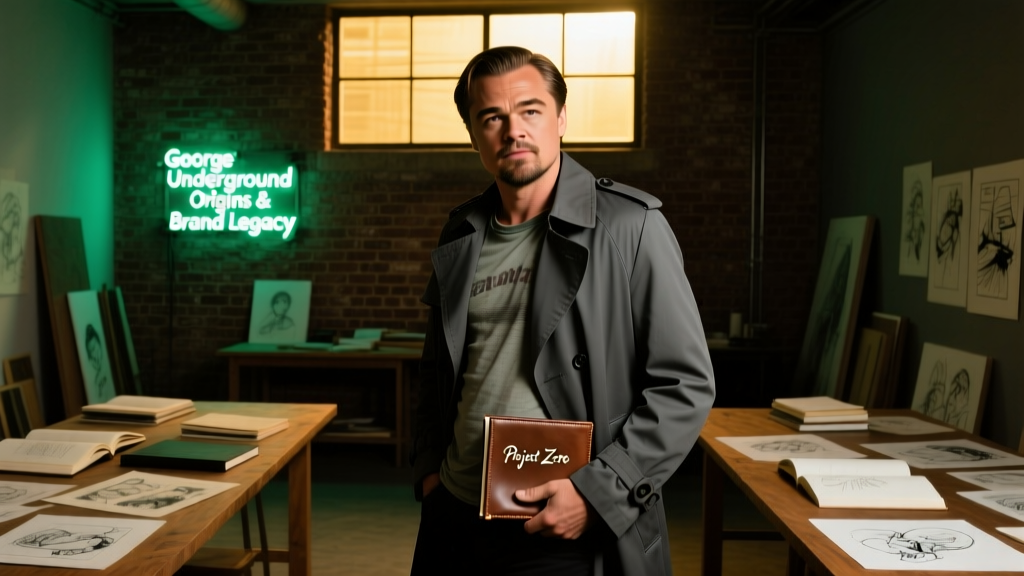
When you hear the surname DiCaprio, your mind immediately jumps to the glitz, glamour, and environmental activism of Hollywood royalty. However, the true origin story of this family’s artistic legacy begins not on the red carpet, but in the ink-stained, countercultural underground of the 1970s and 1980s comic book scene. George DiCaprio, father to Leonardo DiCaprio, is a foundational figure in the world of underground comix, publishing, and distribution. For personal branding enthusiasts and social media strategists, examining George DiCaprio offers a fascinating masterclass in legacy-building, authenticity, and the profound power of digital absence.
The Origin Story of a Counterculture Pioneer
Born George Paul DiCaprio in 1943, George grew up during a time of massive cultural shifts. Of Italian and German descent, he was drawn to the burgeoning counterculture movements of the 1960s and 1970s. Unlike the mainstream publishing world, the underground comix scene was rebellious, unfiltered, and deeply anti-establishment. George immersed himself in this world, navigating a landscape where freedom of speech was constantly being tested by censorship laws. He eventually became a crucial distributor and publisher who helped get the works of legendary artists like Robert Crumb, Art Spiegelman, and Bill Griffith into the hands of eager readers.
The family's artistic origin story is famously tied to a moment of serendipity. According to Hollywood lore, George and his then-partner Irmelin were looking at a Leonardo da Vinci painting in a museum in Italy when their unborn child first kicked. The rest is history. But while Leonardo went on to conquer cinema, George remained steadfastly rooted in the niche, passionate world of sequential art and comic preservation. He published Comics Revue, a magazine that reprinted classic and underground comic strips, serving as an archivist for a medium that was often dismissed by mainstream culture.
Quick Facts: The Man Behind the Underground
| Full Name | George Paul DiCaprio |
|---|---|
| Born | October 14, 1943 |
| Nationality | American |
| Known For | Underground comic publishing, Comics Revue, Archival distribution |
| Social Media Handles | None (Strictly Private / Offline) |
Career Highlights: Preserving the Comic Legacy
George’s career is a testament to the idea that true influence doesn't always require mainstream visibility. Through his distribution networks, he ensured that independent and underground comic artists could make a living and reach a dedicated audience. In the pre-internet era, physical distribution was the lifeblood of counterculture media. George acted as a vital bridge between avant-garde creators and the niche bookstores or head shops that catered to their audience. Without distributors willing to take risks on unconventional art, masterpieces like Fritz the Cat or Zap Comix might never have reached the masses. George understood that distribution was not just logistics; it was a form of cultural curation and protection.
Furthermore, his work with Comics Revue showcased a deep respect for the history of the medium. By reprinting vintage strips alongside contemporary underground work, he educated a new generation of readers on the artistic merit of comics. This bohemian, artist-first environment profoundly shaped his son’s worldview. Leonardo’s well-documented commitment to environmentalism, his support for independent cinema, and his selective, uncompromising approach to his craft all echo the fiercely independent, anti-corporate ethos that George championed in the comic world.
Social Media Presence: The Power of Digital Absence
In an era where personal branding is synonymous with daily Instagram stories, TikTok trends, and X debates, George DiCaprio’s social media presence is defined by its complete and utter absence. He does not have a verified Instagram account. He does not tweet. He is not posting behind-the-scenes photos of his son’s Oscar wins. For a man connected to one of the most famous faces on the planet, this digital silence is deafening—and strategically brilliant.
From a branding perspective, George represents the ultimate 'anti-influencer.' In the lovemebio.com framework, we often discuss how to optimize bios and curate feeds. But George’s approach teaches us about the currency of mystique. By refusing to participate in the digital attention economy, he maintains total control over his narrative. He is not subject to public scrutiny, cancel culture, or the exhausting treadmill of content creation. His brand is built entirely on his historical contributions to the comic industry and his reputation among peers, rather than algorithmic engagement.
When journalists or fans search for George online, they don't find a curated grid of photos; they find archival interviews given decades ago, mentions in The Comics Journal, and respectful references from his son in high-profile interviews. This scarcity makes the information that does exist feel incredibly valuable and authentic. It forces the audience to focus on his historical contributions rather than his current daily activities.
Personal Branding Takeaways: What We Can Learn
While most of us aren't underground comic pioneers or parents to A-list actors, the history and approach to public life of this publishing veteran offer profound lessons for modern personal branding.
- 1. The 'Less is More' Privacy Strategy: You do not owe the internet your daily life. Setting strict boundaries and keeping your private life offline can actually elevate your professional mystique. A sparse, highly curated bio that points only to your best work is often more powerful than a feed cluttered with oversharing.
- 2. Let the Work Build the Legacy: George didn’t need a viral marketing campaign to be respected; his distribution networks and publishing efforts spoke for themselves. Focus on creating, archiving, or supporting work of genuine substance. Your professional reputation will outlast any social media trend.
- 3. Embrace Your Authentic Origin Story: The family origin story—rooted in a museum, da Vinci, and the gritty comic underground—is compelling because it is real. When crafting your personal brand, lean into your genuine roots and unique history rather than mimicking the polished, generic aesthetics of your competitors.
- 4. Independence is a Brand Asset: His commitment to the underground, independent scene gave him lifelong credibility. In your own career, aligning with niche, passionate communities can provide a more sustainable and loyal foundation than chasing broad, shallow mainstream appeal.
Final Thoughts on a Quiet Legacy
The history of this counterculture icon reminds us that influence takes many forms. You don't need a million followers to leave a permanent mark on culture. By preserving the underground comix movement and fostering an environment of fierce artistic independence, George built a legacy that indirectly shaped modern Hollywood. For those looking to refine their personal brand, his life is a powerful reminder that sometimes, the most memorable bio is the one you choose not to write, letting your life's work speak for itself.
Sources: Archival interviews from The Comics Journal; Los Angeles Times profiles on the DiCaprio family history; Historical archives of Comics Revue and underground comix distribution networks.