When discussing the foundational pillars of superhero personal branding, the conversation must begin with George Reeves. Long before Instagram grids, TikTok PR campaigns, and carefully curated celebrity feeds, Reeves established a cultural monopoly on the Man of Steel. For lovemebio.com readers analyzing how public figures craft their personas, looking backward offers profound insights. George Reeves did not have a social media manager, yet his visual identity and character alignment created a brand so powerful it endures over six decades after his tragic death. By applying a comparison and alternatives analysis, we can contrast the 1950s studio-managed typecasting of Reeves with the multi-hyphenate digital brands of modern successors like Henry Cavill and Tyler Hoechlin. How does a legacy brand survive without its creator? What can today's digital creators learn from an actor who became entirely synonymous with a single, iconic role? Let us decode the branding architecture of the original television Superman.
Quick Facts: The Man Behind the Original TV Superman
Before diving into his digital footprint and brand comparisons, it is essential to understand the historical foundation of the man who first brought the comic book icon to the small screen.
| Attribute | Details |
|---|---|
| Full Name | George Keefer Brewer |
| Born | January 5, 1914 (Woolstock, Iowa) |
| Died | June 16, 1959 (Los Angeles, California) |
| Nationality | American |
| Known For | Superman / Clark Kent in 'Adventures of Superman' |
| Era of Peak Fame | 1952 - 1958 |
| Digital Presence | Estate Archives, Fan Tributes, DC Retrospectives |
Television & Film Highlights: Building the Reeves Brand
Unlike modern actors who build a personal brand across dozens of varied roles and social media sponsorships, the George Reeves brand was forged through a highly concentrated media strategy typical of the Golden Age of Hollywood and early television.
- So Proudly We Hail! (1943): Reeves' breakout dramatic role. It established his initial brand as a rugged, reliable leading man, proving his dramatic chops before the cape.
- Adventures of Superman (1952-1958): The cornerstone of his legacy. Playing both the bumbling Clark Kent and the authoritative Superman required Reeves to master physical comedy and stoic heroism. This duality became his ultimate brand signature.
- From Here to Eternity (1953): A strategic attempt to break his own typecasting. Though his role was small, appearing in this Best Picture winner was a deliberate PR move to maintain credibility as a serious film actor while dominating children's television.
- Westinghouse Desilu Playhouse (1957): Guest appearances here showed his versatility and willingness to engage with live-audience formats, a 1950s equivalent to modern interactive livestreams.
Digital Legacy & Social Media Presence: George Reeves vs. Modern Successors
Because George Reeves passed away in 1959, he does not possess a personal Instagram or X account. However, his posthumous social media presence offers a fascinating case study in community-led brand management. On platforms like Instagram and TikTok, the 'George Reeves' brand is maintained through three distinct digital channels:
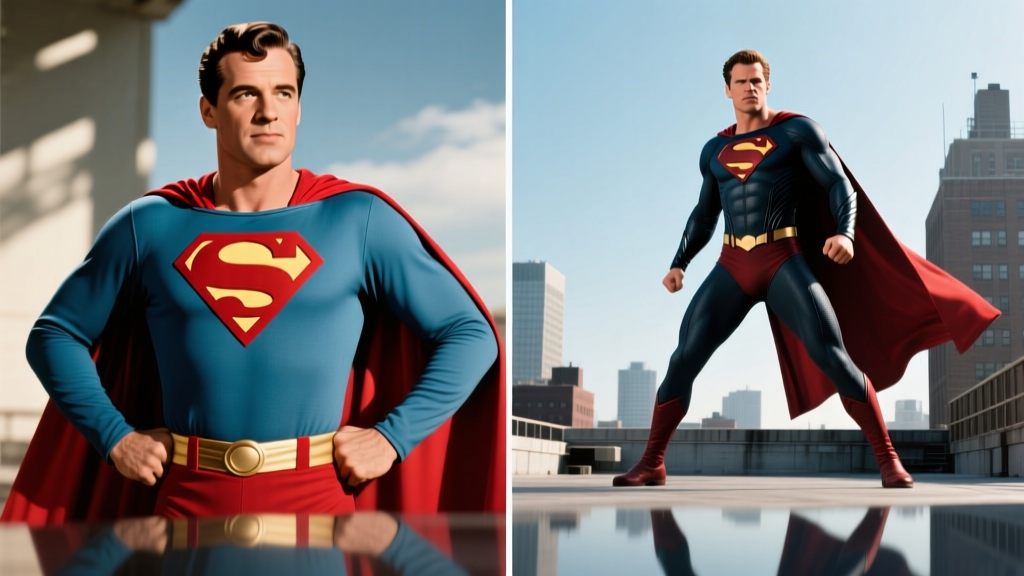
1. The Nostalgia and Colorization Community: Accounts dedicated to vintage Hollywood frequently feature Reeves. AI colorization artists often use his iconic Superman stills, generating hundreds of thousands of engagements. His brand thrives on visual contrast—the bright primary colors of his suit popping against black-and-white 1950s backgrounds.
2. DC Comics and Warner Bros. Retrospectives: The official corporate custodians of his brand use Reeves as a symbol of 'heritage.' Whenever a new Superman project launches, the studios deploy Reeves' imagery to ground the new actor in a legacy of greatness.
3. Fan-Run Tribute Archives: Dedicated fan pages act as digital museums, posting behind-the-scenes polaroids, rare promotional tour photos, and quotes from his co-stars like Phyllis Coates and Noel Neill.
The Alternative Comparison: Contrast this with Christopher Reeve, whose digital brand is heavily tied to the Christopher & Dana Reeve Foundation, focusing on philanthropy and resilience. Or look at Henry Cavill, who actively manages a 'Portfolio Brand' on Instagram, balancing superhero promos with Warhammer painting and PC building. George Reeves' digital footprint is entirely monolithic; he is remembered for exactly one thing. While modern actors use social media to escape typecasting, the digital legacy of Reeves proves that total immersion in a single niche can result in immortality.
Comparison Analysis: The 1950s Typecast vs. Today's Multi-Hyphenate Brand
To truly understand the George Reeves brand, we must compare the mechanics of 1950s studio branding with modern personal branding alternatives.
The Studio-Controlled Monolith (The Reeves Model): In the 1950s, actors were contracted assets. Reeves' public appearances, radio spots, and press interviews were strictly regulated to ensure he never broke the illusion of Superman for the youth demographic. His 'bio' was essentially written by the studio PR department. The alternative—rebelling against the studio—often meant career suicide. Reeves embraced the monolith, becoming the definitive face of a generation's childhood.
The Actor-Controlled Portfolio (The Modern Alternative): Today, an actor playing Superman is expected to have a multi-dimensional bio. Tyler Hoechlin's Instagram highlights his baseball background and family life. John Krasinski uses his platform for comedy and philanthropy. The modern alternative to typecasting is to use social media to show the 'man behind the cape.'
However, the Reeves model teaches us a vital lesson about brand anchoring. Modern actors often dilute their core brand by trying to be everything to everyone. Reeves' unwavering commitment to the visual and moral archetype of Superman created a brand so resilient that it outlived him, outlasted the studio that employed him, and continues to generate engagement on social media algorithms he could never have imagined.
Personal Branding Takeaways from the George Reeves Era
What can lovemebio.com readers, influencers, and professionals learn from an actor who dominated the 1950s airwaves? Here are three actionable personal branding takeaways inspired by the George Reeves legacy:
- Own Your 'Superman Suit' (Visual Consistency): Reeves understood the power of a uniform. Whether it was the iconic 'S' shield or his sharply tailored 1950s suits for press tours, his visual branding was impeccable. Application: Audit your Instagram grid and profile picture. Do you have a consistent color palette, aesthetic, or 'uniform' that makes you instantly recognizable in a crowded feed?
- Don't Fear the Niche: Reeves was famously frustrated by being typecast as Superman, fearing it ruined his dramatic career. Yet, history remembers him as a legend because he fully committed to that niche. Application: If you are known for one specific skill, industry, or content style, do not run from it. Lean into it in your Instagram bio. Be the definitive 'Superman' of your specific niche before trying to expand into other genres.
- Build a Community-Led Legacy: Because Reeves could not manage his own digital footprint, his fans did it for him. His brand survives because he made a genuine emotional connection with his audience during his live appearances and TV broadcasts. Application: Engage with your audience authentically. When you build a community that genuinely cares about your message, they will become your brand ambassadors, sharing your content and advocating for you even when you are offline.
Sources & Further Reading
- IMDb Biography & Filmography Archives - Historical data on George Reeves' career trajectory and studio contracts.
- The Superman Homepage (supermanhomepage.com) - Detailed retrospectives on the production and PR strategies behind 'Adventures of Superman'.
- Hollywood Reporter Archives - Analysis of 1950s television typecasting and the transition of superhero IP from niche comics to mainstream broadcast branding.