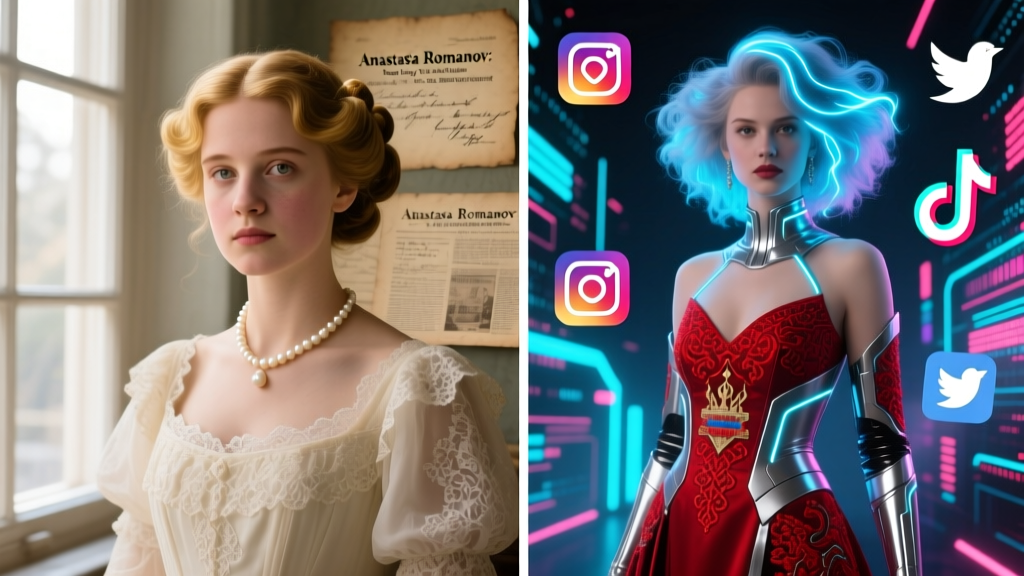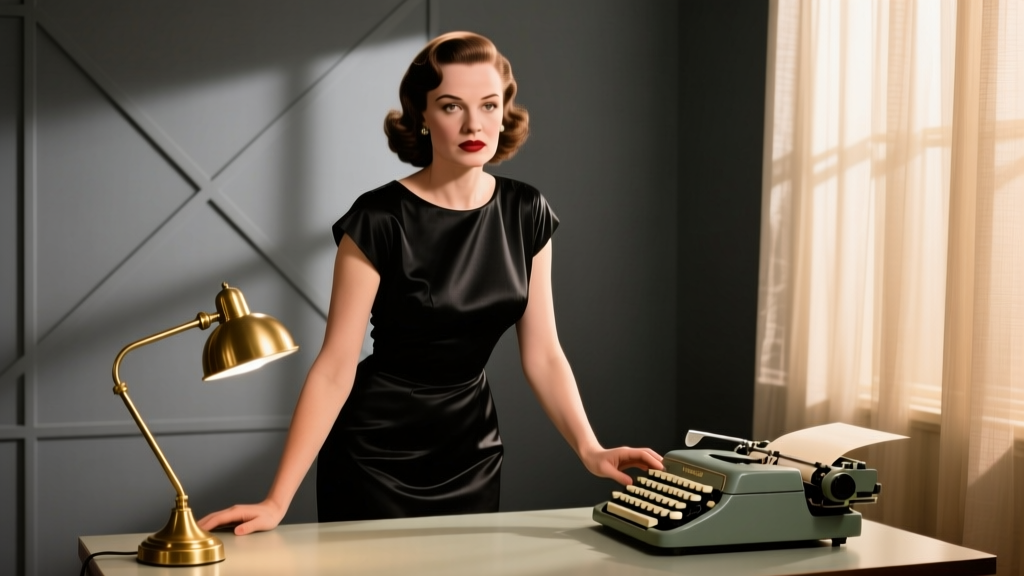
When film historians and digital archivists discuss the quintessential femme fatale, the name Gloria Grahame inevitably surfaces. Known for her smoldering gaze and unmistakable pout, Grahame carved out a highly specific visual identity in classic Hollywood. But beyond the silver screen, how does a star from the 1940s maintain a personal brand today? At lovemebio.com, we explore the intersection of legacy and digital identity. In this deep dive, we tackle the most common FAQs and misconceptions about Gloria Grahame, analyzing how her visual trademarks continue to influence modern social media aesthetics and what today’s creators can learn from her enduring allure. Her story is a masterclass in owning your unique traits and defying industry categorization.
Quick Facts: The Woman Behind the Noir Persona
| Attribute | Details |
|---|---|
| Full Name | Gloria Grahame Hallward |
| Born | November 28, 1923 (Los Angeles, California) |
| Died | October 5, 1981 |
| Nationality | American |
| Known For | In a Lonely Place, The Bad and the Beautiful, It's a Wonderful Life |
| Social Media Handles | Legacy & Fan Archives (e.g., @CriterionColl, Classic Noir Curators) |
FAQ & Common Misconceptions About Gloria Grahame
To understand Grahame’s personal brand, we must first dismantle the myths that have surrounded her career for decades. Her public image was heavily curated by studio publicists, leading to several enduring misconceptions.
Misconception 1: She Was Only a 'Femme Fatale'
The Reality: While Grahame is immortalized for her roles in film noir classics like Crossfire (1947) and In a Lonely Place (1950), boxing her into the 'villainess' category ignores her immense range. She won the Academy Award for Best Supporting Actress for The Bad and the Beautiful (1952), a Hollywood drama where she played a vulnerable, complex character far removed from the noir archetype. She also starred in the massive musical hit Oklahoma! (1955). Branding Lesson: Never let the algorithm or your audience box you into a single niche. Grahame actively fought against studio typecasting to prove her versatility.
Misconception 2: Her Signature Pout Was a Studio Invention
The Reality: One of the most frequently asked questions about Grahame concerns her famous upper lip. Many assume it was a result of studio-mandated plastic surgery or a deliberate makeup trick. In truth, her signature look was the result of a childhood accident that caused nerve damage to her upper lip. Later attempts to correct it with surgery only heightened the unique, slightly paralyzed pout that became her ultimate visual trademark. Instead of hiding it, she used lighting and angles to emphasize it, turning a perceived physical flaw into an iconic, instantly recognizable brand asset.
Misconception 3: Her Career Ended with the Studio System
The Reality: A common myth is that Grahame faded into obscurity when the Golden Age of Hollywood collapsed. In reality, she pivoted. She returned to her roots in regional theater, took on gritty character roles in 1970s independent cinema, and maintained a working career until her death, proving that a strong personal brand can adapt to changing industry landscapes.
Gloria Grahame’s Posthumous Social Media Presence
Because Gloria Grahame passed away in 1981, she does not have a personal, verified Instagram or TikTok account. However, her digital footprint and posthumous social media presence are remarkably vibrant, offering a fascinating case study in legacy branding.
Today, Grahame’s 'brand' is managed by a decentralized network of film preservation societies, estate archives, and classic Hollywood curators. On platforms like Instagram and TikTok, her image is a cornerstone of the 'Dark Academia' and 'Noir Aesthetic' communities. Archivists and fan accounts utilize high-contrast black-and-white filters, moody jazz audio tracks, and slow-motion edits of her micro-expressions to build digital mood boards.
Institutions like The Criterion Collection frequently feature her in their social media promos, treating her with the reverence of a modern fashion icon. When modern influencers study 'how to pose' or 'how to master bedroom eyes,' they are frequently referencing Grahame’s archival footage. Her social media engagement is driven by nostalgia, cinematic education, and aesthetic appreciation. Fan-run legacy pages often use her biography in their Instagram bios, citing her as the ultimate muse for feminine mystique and boundary-pushing 1950s fashion. This proves that a strong visual identity can outlive its creator, transforming into an evergreen aesthetic template for future generations.
Personal Branding Takeaways for Modern Creators
What can a modern content creator, entrepreneur, or professional learn from a classic Hollywood star? Grahame’s career offers several actionable personal branding takeaways that apply directly to how you craft your bio, curate your feed, and present yourself online.
1. Turn Your 'Flaws' Into a Visual Trademark
In an era where social media filters erase every imperfection, Grahame’s legacy is a testament to the power of the unique. Her lip paralysis could have ended her career; instead, it became the very thing casting directors and audiences remembered her for. Application: Audit your own profile. Are you hiding a quirk, a unique laugh, or an unconventional background? Lean into it. Make your perceived weakness the centerpiece of your personal brand narrative.
2. Master the Art of the Visual Hook
Grahame understood the geometry of the camera. She knew exactly how to tilt her chin to catch the shadow, creating the 'femme fatale' mystique. On modern platforms like Instagram or TikTok, your visual hook is your lighting, your color palette, and your framing. Application: Establish a consistent visual signature for your grid or video thumbnails. Whether it’s a specific color grade, a signature prop, or a distinct way of making eye contact with the lens, consistency builds instant brand recognition.
3. Let Your Bio Reflect Your Range
Studio publicists tried to write Grahame’s bio as a one-dimensional siren, but she continually subverted it. Your social media bio should not just reflect what you did yesterday; it should hint at your capacity for tomorrow. Application: Use your Instagram or LinkedIn bio to highlight contrasting skills. If you are a data analyst who also writes poetry, or a fitness coach who studies philosophy, include both. The friction between contrasting traits makes you memorable.
Filmography Highlights & Branding Eras
To fully grasp her evolution, we can map Grahame’s career into distinct 'branding eras'—a strategy modern creators use when pivoting their content focus.
- Era 1: The Relatable Neighbor (1946-1949): Highlighted by It's a Wonderful Life. Her brand was approachable, tragic, and grounded.
- Era 2: The Noir Icon (1950-1954): Defined by In a Lonely Place and The Big Heat. She adopted a sharper, more cynical, and highly stylized visual brand.
- Era 3: The Acclaimed Dramatist (1952-1955): Cemented by her Oscar win and Oklahoma!, proving her brand could handle prestige and mainstream musical appeal.
- Era 4: The Indie Maverick (1970s): She embraced character acting in genre films, showing a willingness to age authentically on screen long before it was an industry standard.
Conclusion & Sources
Gloria Grahame’s legacy is a masterclass in visual branding, resilience, and the power of owning your unique physical and professional traits. While she never typed out an Instagram bio or filmed a TikTok, the aesthetic rules she established in the 1940s continue to dictate how mystery, allure, and personal branding are curated on digital platforms today. By studying her FAQs and misconceptions, modern creators can learn to defy the algorithm, embrace their quirks, and build a legacy that outlasts the current trend cycle.
Sources & Further Reading: