
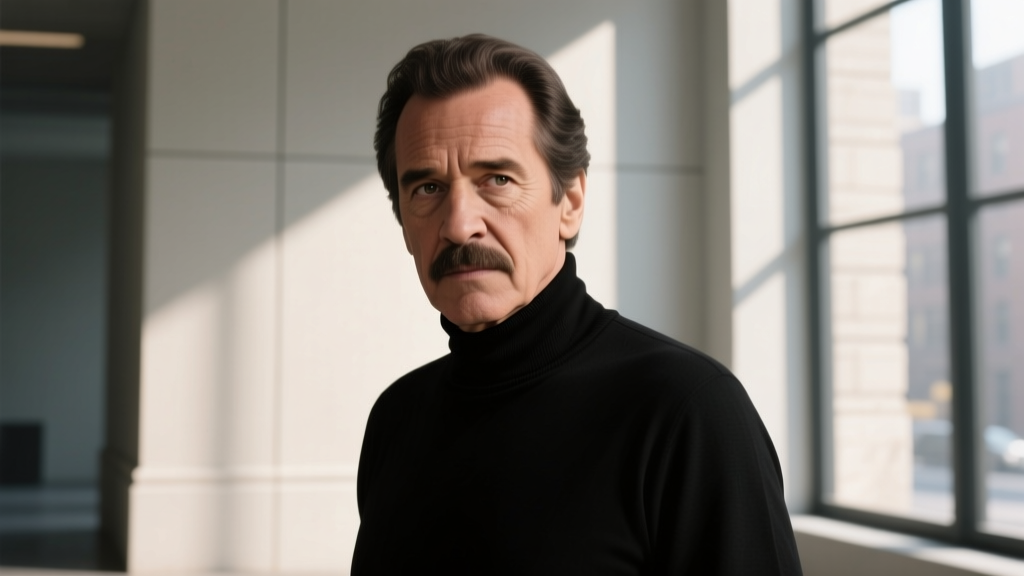
When you think of Harvey Keitel, you likely picture the sharp-suited, problem-solving Winston Wolf in Pulp Fiction, or the intense, unpredictable Mr. White in Reservoir Dogs. For over five decades, the legendary actor has defined cinematic grit and complex morality on screen. Yet, when modern fans search for Harvey Keitel on Instagram, TikTok, or X (formerly Twitter), they are met with a surprising void. There is no verified personal account, no daily behind-the-scenes stories from film sets, and no curated lifestyle grid. In an era where actors are expected to be full-time influencers and brand ambassadors, Keitel's complete absence from social media is, in itself, a massive branding statement.
At LoveMeBio, we analyze how individuals present themselves to the world and build their personal brands. While most of our guides focus on what to put in your bio, today we are conducting a critical review of the 'ghost' branding strategy. By examining the pros, cons, and personal branding takeaways from one of Hollywood's most enigmatic figures, we can uncover powerful lessons about mystique, portfolio-driven branding, and the art of digital restraint.
Quick Facts & Career Highlights
| Attribute | Details |
|---|---|
| Full Name | Harvey Herschel Keitel |
| Born | May 13, 1939 (Brooklyn, New York) |
| Nationality | American |
| Known For | Taxi Driver, Reservoir Dogs, Pulp Fiction, The Piano, The Irishman |
| Social Media Handles | None (No verified personal accounts) |
| Primary Brand Identity | The Enigmatic Veteran, The Cinematic Fixer |
The Harvey Keitel Social Media Presence: A Critical Review
To understand the Harvey Keitel social media presence, you must first accept that his presence is defined by his absence. Unlike contemporary stars who leverage Instagram to secure brand deals or TikTok to court Gen Z demographics, Keitel relies entirely on the traditional architecture of Hollywood legacy. His 'bio' is not a 150-character Instagram caption; it is a 60-year filmography documented on platforms like IMDb and celebrated by institutions like The Kennedy Center.
When a user searches his name on Instagram, they encounter a sprawling ecosystem of fan pages, movie clip aggregators, and AI-generated quote accounts. This creates a unique digital phenomenon: the brand is entirely crowdsourced and curated by the public. Keitel does not correct the narrative, post rebuttals, or engage in digital PR. He allows the cultural weight of his past performances to serve as his sole digital footprint. This approach transforms him from a mere participant in pop culture into an untouchable cinematic monument. However, this strategy is not without its distinct advantages and significant drawbacks in the modern digital landscape.
Pros of the Enigmatic Branding Strategy
1. Unbreakable Mystique and Prestige
In personal branding, scarcity creates value. By refusing to participate in the daily noise of social media, Keitel maintains an aura of untouchable prestige. He is not seen doing viral dances, engaging in Twitter feuds, or promoting detox teas. This strict boundary between the artist and the public elevates his status. When he does appear in public—such as at the Cannes Film Festival or the Kennedy Center Honors—it is treated as a major cultural event rather than just another piece of content.
2. Immunity to Digital PR Disasters
The modern celebrity landscape is littered with careers damaged by ill-advised tweets, poorly received podcast appearances, or out-of-touch Instagram stories. Keitel's digital ghost strategy provides absolute immunity to cancel culture and digital missteps. His brand cannot be hijacked by a hacked account, a misunderstood joke, or an algorithmic shift. His legacy remains entirely insulated within the high-quality, edited, and directed medium of film.
3. The Portfolio as the Profile
Keitel proves that if your work is exceptional, it will market itself. His brand is built on the undeniable quality of his collaborations with auteurs like Martin Scorsese, Quentin Tarantino, and Jane Campion. For professionals in any field, this is the ultimate goal: reaching a level of mastery where your portfolio completely eclipses the need for self-promotion.
Cons of Avoiding Digital Platforms
1. Ceding the Narrative to Impersonators
The most significant drawback of Keitel's approach is the loss of narrative control. Because there is no verified Harvey Keitel account to serve as the source of truth, the digital space is filled with impersonators, deepfakes, and misattributed quotes. Fan accounts often project their own interpretations onto him, which can dilute or distort his actual personal philosophy and current professional endeavors.
2. The Generational Disconnect
While his legacy is secure with Gen X and Millennials, younger audiences who discover media primarily through TikTok and YouTube Shorts may view him merely as a 'meme' or a supporting character in a movie clip, rather than a leading man and a master of his craft. Without a direct channel to contextualize his work or share his profound insights on acting (such as his extensive work with the Actors Studio), he misses the opportunity to mentor and inspire the next generation of digital-native creatives.
3. Missed Direct-to-Fan Leverage
From a purely business-oriented perspective, ignoring social media means leaving direct-to-consumer leverage on the table. Actors today use their platforms to launch production companies, secure backend deals, and fund independent passion projects. Keitel's reliance on traditional industry gatekeepers means he operates without the direct audience leverage that modern creators wield.
The Filmography That Serves as His True Bio
If Harvey Keitel were to write a bio, it would simply be a list of his collaborations. His personal brand is inextricably linked to the following career-defining pillars:
- The Gritty Realist (1970s): Taxi Driver and Mean Streets established his brand as the raw, unfiltered voice of urban cinema.
- The Complex Antagonist (1990s): Reservoir Dogs and Bad Lieutenant showcased his willingness to explore the darkest corners of human morality.
- The Cinematic Fixer (1990s-2000s): Pulp Fiction cemented his pop-culture brand as the ultimate, no-nonsense problem solver.
- The Revered Elder (2010s-Present): The Irishman and Fatima transitioned his brand into that of a respected, elder statesman of global cinema.
Personal Branding Takeaways for Your Own Profile
You might not be a Hollywood legend, but you can absolutely apply the principles of the Harvey Keitel branding strategy to your own Instagram bio, LinkedIn profile, or personal website. Here is how you can use mystique and curation to elevate your personal brand.
1. The 'Less is More' Bio Formula
You do not need to explain your entire life story in your social media bio. In fact, over-explaining can make you look amateurish. Adopt the 'Keitel Minimalist' approach. Strip away the buzzwords, the excessive emojis, and the desperate calls to action. Use a clean, authoritative format:
Template:
[Name] | [Core Professional Identity]
[One Major Achievement or Affiliation]
[Link to Portfolio]
Example:
Jane Doe | Independent Filmmaker
Sundance 2023 Selection
[Link to your work]
2. Let Your Portfolio Be Your Link-in-Bio
Keitel lets his IMDb page do the talking. You should let your Linktree, Bento, or personal website do the same. Instead of using your social media grid to brag about your daily routine, use your platform as a visual teaser that drives traffic to a centralized hub where your actual work lives. Your bio should simply point the way to your portfolio. If your work is strong, the portfolio will convert visitors into clients or fans.
3. Curate Your Mystique (Stop Oversharing)
There is a profound difference between being 'authentic' and being 'available.' Many professionals believe they need to share every thought, meal, and minor life update to stay relevant. The Harvey Keitel approach teaches us the power of strategic silence. Share your high-level insights, your finished projects, and your major milestones. Keep your daily frustrations, unfiltered opinions, and mundane routines offline. By withholding the mundane, you make your actual posts feel like significant events.
4. Claim Your Digital Real Estate
While Keitel is famous enough to ignore the internet, you are not. The lesson here is not to delete your accounts, but to control them. Ensure you have claimed your name across all major platforms, even if you only use them as static landing pages. Secure your domain name, lock down your handles, and use your bio to direct people to your primary platform. Do not let impersonators or squatters dilute your professional identity.
Final Verdict
Harvey Keitel's digital absence is a masterclass in legacy branding. It proves that true authority does not require constant validation through likes, retweets, or viral trends. For the modern professional, the takeaway is clear: build a body of work so undeniable that your bio becomes merely a formality, and let your mystique do the heavy lifting.