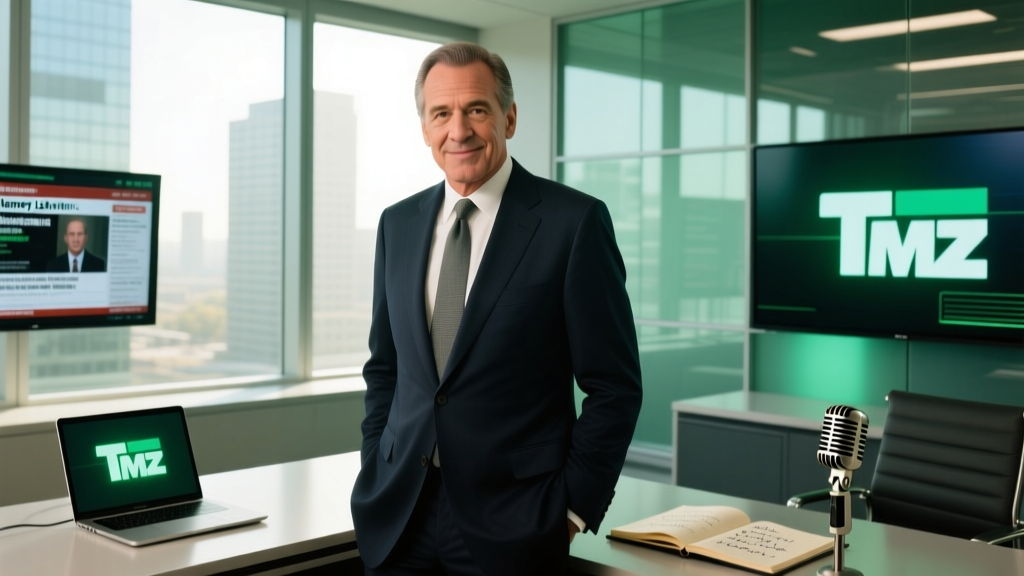
Before the paparazzi, the breaking celebrity scoops, and the cultural phenomenon of the Thirty Mile Zone, Harvey Levin was a lawyer. The Harvey Levin origin story is not one of a starstruck fan chasing fame, but of a meticulous legal mind recognizing a massive gap in the media landscape. Born in Los Angeles, his journey from a University of Chicago law graduate and Whittier College professor to the architect of the most feared entertainment news outlet in the world is a masterclass in strategic pivoting. Understanding how he built his personal brand requires looking at the courtroom roots that shaped his uncompromising digital presence. Today, his influence on digital journalism and celebrity culture is undeniable.
Harvey Levin: The Legal Eagle and Early Career Origins
To understand the branding of the man behind TMZ, you have to look at his highly unconventional origin story. Harvey Levin did not start in a newsroom; he started in a classroom and a courtroom. After earning his Juris Doctor from the University of Chicago, Levin passed the California bar and began teaching law at Whittier College. His deep understanding of litigation, evidence, and the burden of proof would later become the secret weapon that made his media empire virtually bulletproof against defamation lawsuits.
His pivot to media began when he started consulting for KNBC in Los Angeles, translating complex legal jargon for the evening news. The turning point in his career—and the genesis of his understanding of the public's appetite for celebrity-adjacent legal drama—was the O.J. Simpson trial in the mid-1990s. Levin's relentless, legally sound coverage for KCBS proved that audiences were starved for the intersection of Hollywood fame and the justice system. This era cemented his reputation not just as a reporter, but as an authority figure who could dissect high-stakes drama with surgical precision.
Quick Facts: The Architect of TMZ
| Attribute | Details |
|---|---|
| Full Name | Harvey Robert Levin |
| Born | September 2, 1950 (Los Angeles, California) |
| Nationality | American |
| Known For | Founding TMZ, Legal Journalism, Media Executive |
| X (Twitter) | @HarveyLevinTMZ |
| @harveylevintmz |
Building the Empire: The Birth of the Thirty Mile Zone
In 2005, Levin partnered with AOL and Telepictures to launch TMZ, an acronym for the 'Thirty Mile Zone'—the historical studio zone in Los Angeles where entertainment unions set their pay rates. While critics initially dismissed the site as a tabloid blog, Levin's legal background dictated a radically different operational model. As noted in extensive profiles by The Hollywood Reporter, Levin instituted a rigorous legal vetting process that rivaled legacy publications like The New York Times. Every major scoop was run through a gauntlet of in-house lawyers.
This origin story of prioritizing legal verification over reckless publication is central to Levin's personal brand. He positioned himself not as a gossip monger, but as an investigative journalist who happened to cover the entertainment industry. By breaking the news of Mel Gibson's DUI, Kobe Bryant's helicopter crash, and the deaths of Prince and Michael Jackson, TMZ forced mainstream outlets to follow its lead. Levin transitioned from a local legal analyst to a national media kingpin, fundamentally altering the speed and economics of digital journalism.
Social Media Presence and Digital Branding Analysis
When analyzing Harvey Levin's social media presence, the most striking element is the stark contrast between his personal profiles and the brand he created. The official @TMZ accounts are loud, chaotic, meme-heavy, and relentlessly fast. They utilize bright colors, exclamation points, and aggressive engagement tactics. Harvey Levin's personal accounts, however, are an exercise in minimalist authority.
On X (formerly Twitter) and Instagram, Levin's bio is famously brief. He typically relies on a simple, unadorned statement of fact: 'Founder, TMZ.' There are no string of emojis, no inspirational quotes, and no lengthy mission statements. This is a deliberate branding choice. Levin understands that true industry authority does not need to over-explain itself. His posting style reflects the persona of the 'quiet kingpin.' He rarely posts selfies or behind-the-scenes fluff. Instead, his feed is reserved for major milestone scoops, defending his newsroom's journalistic integrity against critics, or highlighting the legal nuances of a breaking celebrity scandal.
According to media analyses from the Poynter Institute, Levin's digital footprint is designed to reinforce his credibility. By keeping his personal social media footprint relatively subdued and highly curated, he elevates himself above the daily tabloid fray. He lets the TMZ brand be the loud, disruptive force, while he remains the composed, untouchable executive pulling the strings. This duality is a brilliant personal branding strategy that commands respect from both Hollywood publicists and mainstream journalists.
Personal Branding Takeaways for Your Own Bio
Harvey Levin's journey from law professor to media mogul offers highly actionable lessons for anyone looking to refine their personal brand and social media bios:
1. The Power of Minimalist Authority
Levin's bio strategy proves that the more accomplished you are, the less you need to say. If you have a major credential, a flagship company, or a definitive career win, let it stand alone. Stripping away the fluff, the emojis, and the buzzwords from your Instagram or LinkedIn bio signals quiet confidence. Tell your audience exactly what you do, and let your work provide the rest of the context.
2. Leverage Your Origin Story as a USP
Levin never hid the fact that he was a lawyer; he used it as his Unique Selling Proposition (USP). His legal background is exactly why Hollywood fears and respects TMZ. When crafting your personal brand, don't abandon your past careers or unconventional beginnings. Frame your unique origin story as the foundation of your current expertise. A bio that hints at a fascinating pivot (e.g., 'Former Litigator turned Tech Founder') instantly creates intrigue and establishes a unique vantage point.
3. Separate the Personal from the Corporate
One of Levin's smartest moves is allowing his corporate brand to take the hits, absorb the chaos, and drive the loud engagement, while his personal brand remains pristine and authoritative. If you are a founder or creator, consider this bifurcation. Let your business page be the energetic, sales-driven, trend-hopping entity, while your personal profile remains a curated hub for high-level insights, leadership, and industry authority.
4. Consistency in Verification and Trust
As highlighted by the Los Angeles Times during his early broadcasting days, Levin built his career on being right, not just being first. On social media, your personal brand is only as strong as your credibility. Curate your feed to share well-researched insights, verified industry news, and thoughtful commentary rather than chasing every fleeting trend. Trust is the ultimate personal branding currency.
Sources
- The Hollywood Reporter - Deep dive profiles on TMZ's legal vetting process and Harvey Levin's executive strategy (hollywoodreporter.com).
- Los Angeles Times - Archival coverage of Levin's transition from KNBC legal consultant to national media figure (latimes.com).
- Poynter Institute - Media analysis on TMZ's impact on the speed and verification standards of digital journalism (poynter.org).