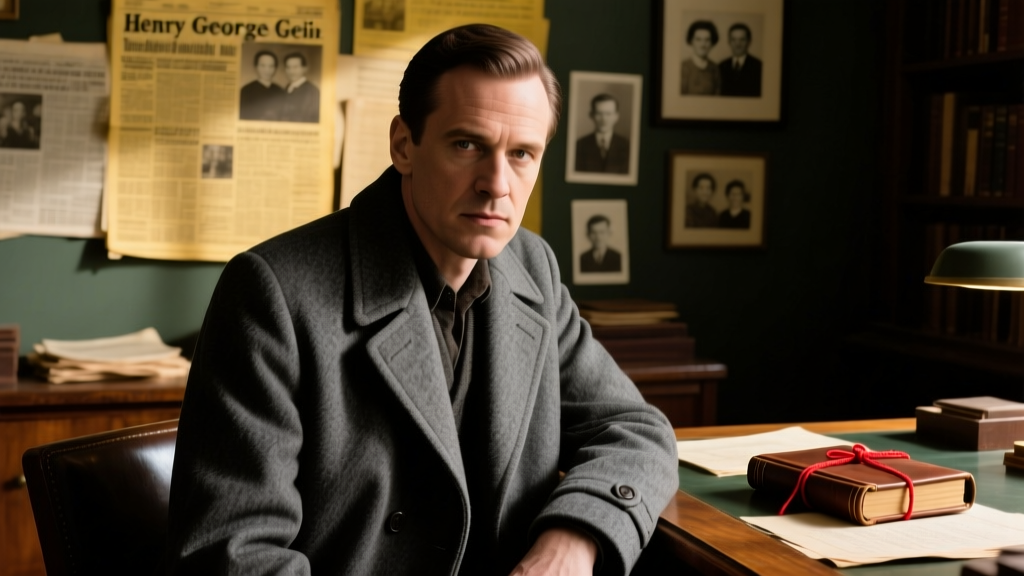
When analyzing the analytics of true crime social media, few search queries reveal as much about user intent and niche branding as Henry George Gein. At lovemebio.com, we study how digital archives, podcasters, and niche creators capture audience attention. The name Henry George Gein is actually a historical conflation of two distinct figures: Henry Gein and George Gein, the brother and father of infamous criminal Ed Gein. While they are not traditional 'celebrities,' their names have inadvertently become macabre digital commodities, driving millions of views across TikTok, YouTube, and Instagram true crime communities.
In the digital age, historical figures tied to infamous events often achieve a dark, celebrity-like status. Their names become SEO goldmines for content creators. In this case study, we explore how modern true crime creators brand their profiles around the Gein family legacy, how they capture confused search traffic, and what niche content creators can learn from these real-world social media strategies.
Quick Facts: The Historical Figures Behind the Query
| Attribute | Henry Gein (Brother) | George Gein (Father) |
|---|---|---|
| Born | 1901 | 1873 |
| Died | 1944 | 1940 |
| Nationality | American | American |
| Known For | Brother of Ed Gein; died under mysterious circumstances | Father of Ed Gein; local tanner and butcher |
| Social Media | N/A (Historical subjects managed by True Crime Archives & Podcasters) | |
The 'Henry George Gein' Search Anomaly
To understand how to brand a niche social media profile, you must first understand your audience's search intent. The query 'Henry George Gein' is a classic example of a digital misnomer. Users searching for this name are almost always looking for information on the Gein family dynamics that shaped Ed Gein, the 'Butcher of Plainfield,' whose crimes inspired films like The Texas Chain Saw Massacre and Psycho.
Henry Gein died in 1944 from a suspected heart attack, though rumors of foul play involving his brother and their domineering mother, Augusta, have fueled decades of true crime lore. George Gein, a tanner who struggled with alcoholism, passed away in 1940. Because true crime audiences often blur these names together in search engines and social media hashtags, savvy digital creators have learned to optimize their Instagram bios and TikTok profiles to capture this exact, confused traffic.
Social Media Presence: Branding the Macabre
While Henry and George do not have their own Instagram accounts, their 'celebrity' status within the true crime niche is maintained by a vast network of digital historians, podcasters, and archival pages. How do these creators present the Gein legacy in their bios?
Anatomy of a True Crime Bio
Successful true crime pages use their Instagram bios to establish immediate authority and hook the morbid curiosity of the scroller. A highly optimized bio in this niche typically includes:
- The Hook: A provocative statement about uncovering hidden history.
- Keyword Integration: Mentioning 'Ed, Henry & George Gein' to capture search traffic from users looking for the full family tree.
- Authority Markers: Emojis like 📂, 🕵️♂️, or 🎙️ that signal deep-dive research or podcast content.
- Call to Action (CTA): A link-in-bio directing users to a full documentary, Patreon, or podcast episode specifically addressing the 'Henry George Gein' confusion.
Case Study: Real-World Bio Examples in the Niche
Let us look at how a hypothetical but highly realistic true crime archive page structures its bio to capture this audience:
Profile Name: Plainfield Archives | True Crime History
Bio: Unearthing the dark history of the Gein Family 🌲
Ed, Henry & George: The truth behind the lore 📂
New deep-dive podcast every Thursday 🎙️
Listen to our 'Henry George Gein' myth-busting episode 👇
[Linktree URL]
Why this works: This bio directly addresses the conflation of Henry and George. By explicitly mentioning the myth-busting episode in the bio and linking to it, the creator turns a confused search query into a highly engaged podcast listener. This is a masterclass in using bio real estate to solve user intent.
Personal Branding Takeaways for Niche Creators
You might not be running a true crime archive, but the strategies used to brand the legacy of Henry George Gein offer profound lessons for any personal brand, blogger, or niche creator on lovemebio.com.
1. Capture Misnomer Traffic Gracefully
If your audience frequently misspells your name, your brand, or a core industry term, do not ignore it. Use your Instagram Highlights or your Link-in-Bio landing page to gently correct the record while still capturing the traffic. True crime creators use the 'Henry George Gein' confusion to create dedicated content pieces that rank well and build trust.
2. Establish Authority Through Specificity
Generic bios like 'I talk about history' fail to convert. The best true crime pages brand themselves by listing specific subjects, eras, or families they cover. If you are a fitness coach, do not just say 'I help you get fit.' Say 'Specializing in postpartum core recovery & marathon prep.' Specificity breeds authority.
3. Use the 'Lore' Factor in Your Storytelling
The Gein family is fascinating because of the psychological lore surrounding them. As a personal brand, what is your 'lore'? What are the struggles, the background details, and the unique experiences that shaped you? Use your social media captions and pinned posts to share the backstory that makes your brand three-dimensional, much like how digital archivists flesh out the forgotten lives of Henry and George Gein.
Sources & Historical Verification
Accurate personal branding and niche content creation require rigorous fact-checking. The historical details regarding the Gein family referenced in this case study are verified through primary archival sources and historical journalism:
- The FBI Vault: The official FBI records on Edward Gein provide context on the family dynamic and the official rulings on Henry and George Gein's deaths. (vault.fbi.gov)
- Smithsonian Magazine: 'The Gruesome Crimes of Ed Gein' offers a meticulously researched look into the Plainfield, Wisconsin environment that shaped the family's dark legacy. (smithsonianmag.com)
By understanding how search intent, historical lore, and digital branding intersect, creators can build powerful, authoritative profiles that turn even the most confused search queries into dedicated followers.