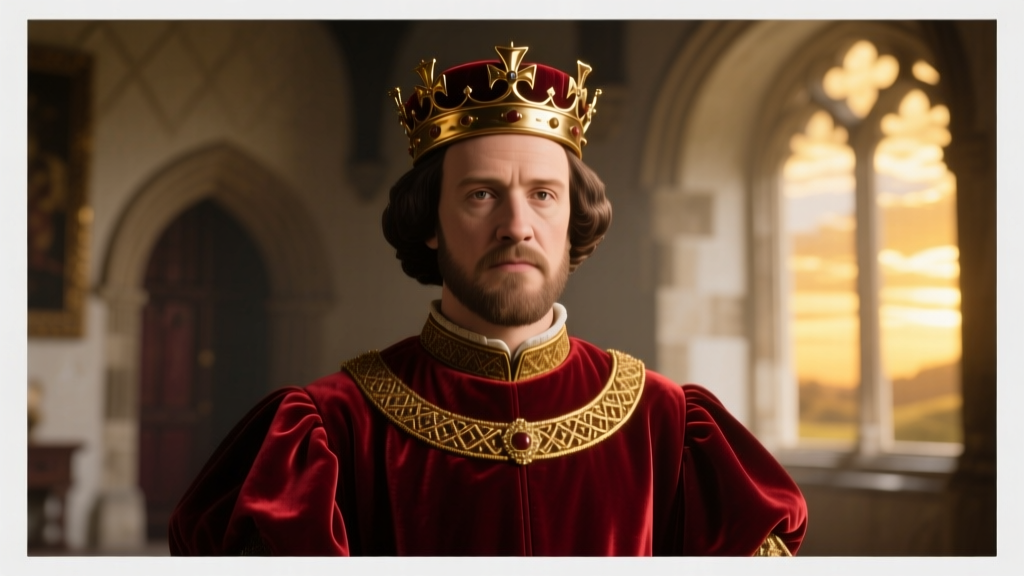
When evaluating masterclasses in personal branding, modern marketers rarely look back to 1485. Yet, Henry VII, the founder of the Tudor dynasty, executed one of the most successful rebranding campaigns in history. Tasked with uniting a fractured England after the Wars of the Roses, he didn't just win a crown; he engineered a visual and narrative identity that survives over five centuries later. Today, the digital footprint of Henry VII offers a fascinating trend report on legacy management. By analyzing how historical institutions and modern influencers curate his narrative on Instagram and TikTok, we can extract powerful personal branding takeaways for your own social media bios and digital presence.
Quick Facts: The Architect of the Tudor Brand
| Attribute | Details |
|---|---|
| Full Name | Henry Tudor (Henry VII) |
| Born | January 28, 1457, Pembroke Castle, Wales |
| Died | April 21, 1509, Richmond Palace, England |
| Nationality | English / Welsh |
| Known For | Winning the Battle of Bosworth, founding the Tudor dynasty, creating the Tudor Rose |
| Digital Legacy Managers | Historic Royal Palaces, The Tudor Society, HistoryTok Influencers |
The Original Blueprint: Symbols as Early Logos
Before the concept of a corporate logo existed, Henry VII understood the power of a unifying visual motif. Upon taking the throne, his primary challenge was legitimacy. He was a Lancastrian claimant in a deeply divided, war-torn nation. His solution was a masterstroke of personal branding: the Tudor Rose. By visually merging the Red Rose of Lancaster with the White Rose of York, he created an instantly recognizable emblem that communicated unity, peace, and absolute authority. He plastered this 'logo' on architecture, manuscripts, and royal livery.
Furthermore, Henry VII leveraged the Beaufort Portcullis as a secondary brand identifier, symbolizing impenetrable security and defensive strength. He also standardized his profile on coinage, ensuring that every economic transaction in the realm reinforced his visual identity. According to records preserved by The National Archives, his meticulous control over royal imagery and financial ledgers laid the groundwork for the modern concept of brand consistency. He didn't just want to be seen; he wanted to be perceived as the undisputed, stabilizing force of the nation.
Social Media Presence: Institutional Bios and Legacy Management
While the King himself is long gone, his brand is actively managed by heritage institutions on modern social platforms. Accounts like @HistoricRoyalPalaces and various Tudor-focused historical societies serve as the digital custodians of his legacy. Analyzing their Instagram bios and posting strategies reveals a sophisticated approach to legacy branding.
Bio Architecture: Institutional accounts managing Tudor history typically utilize a highly structured bio formula: [Authority Marker] + [Niche Value Proposition] + [Call to Action]. For example, bios often emphasize 'bringing 1,000 years of royal history to life,' using emojis like the 🏰 or 👑 to break up text and create visual anchors. They position Henry VII not as a distant relic, but as the foundational architect of the palaces they promote, such as the original Richmond Palace or his magnificent Lady Chapel at Westminster Abbey.
Posting Style & Engagement: The current landscape of historical Instagram relies heavily on carousel posts and high-contrast Reels. When featuring Henry VII, these accounts pivot away from the sensationalist gossip reserved for his son, Henry VIII. Instead, the content focuses on 'receipts'—literal archival documents, architectural blueprints, and financial ledgers. This strategy caters to the 'dark academia' and 'history nerd' demographics, driving high engagement through saveable, educational content. Follower engagement spikes when institutions frame Henry VII as a strategic genius rather than a mere historical footnote, proving that competence is a highly marketable brand trait.
Trend Report: The #HenryVII Current Landscape on TikTok and IG
In the current social media landscape, a significant shift is occurring in how historical figures are consumed. On TikTok and Instagram Reels, the 'Tudor Trend' is a massive subculture, heavily driven by BookTok (historical fiction communities) and educational history creators. Our trend report indicates a fascinating rebrand of Henry VII among Gen Z and Millennial audiences.
For decades, pop culture branded Henry VII as a miserly, paranoid tax-collector. However, the current digital landscape has flipped this narrative. In an era where audiences are experiencing 'drama fatigue' from influencer scandals and chaotic celebrity meltdowns, Henry VII is being rebranded by history influencers as the ultimate 'pragmatic mastermind.' Short-form video essays analyzing his diplomatic treaties, like the Treaty of Etaples, or his strategic avoidance of costly foreign wars, are garnering millions of views.
The hashtag #HenryVII is increasingly associated with the 'quiet luxury' and 'strategic competence' aesthetics. Creators use moody, cinematic audio paired with portraits of the King to discuss his long-term vision. This represents a broader trend in personal branding: audiences are gravitating toward figures who represent stability, long-term planning, and quiet authority over loud, chaotic virality. The digital landscape is rewarding the 'architect' archetype, and Henry VII is its historical patron saint.
Personal Branding Takeaways: Building a Legacy Like Henry VII
How can you apply the 15th-century branding strategies of Henry VII and his modern digital trend report to your own Instagram bio and personal brand? Here are three actionable takeaways for your social media presence.
1. The Tudor Rose Method: Create a Unifying Visual Motif
Henry VII didn't just use a rose; he used it to tell a story of merging two opposing forces into one cohesive unit. Look at your own Instagram grid and bio. Are your diverse skills, hobbies, or business offerings presented as a chaotic mix, or have you created a 'Tudor Rose' that unifies them? Use your Instagram bio to clearly state how your unique, seemingly disparate traits combine to offer a singular, valuable perspective. Visually, adopt a consistent color palette or aesthetic motif in your Highlights and grid that acts as your modern heraldry, making your profile instantly recognizable.
2. The Portcullis Strategy: Establish Boundaries and Exclusivity
The Beaufort Portcullis represented security and controlled access. In modern personal branding, this translates to how you manage your audience's journey. Don't give everything away in your main feed. Use your bio's link-in-bio strategically as a 'portcullis'—a gateway that filters casual scrollers from your most dedicated community members. Whether it's an exclusive newsletter, a private Discord, or a premium portfolio, your bio should tease the value behind the gate, encouraging your most engaged followers to step into your inner circle.
3. Competence Over Chaos: Positioning as the Stabilizer
The current TikTok and Instagram trend report proves that audiences are craving stability. While controversial or chaotic posting might yield temporary virality, Henry VII's digital legacy thrives on his reputation as a stabilizer. Craft your bio and content strategy around reliability, expertise, and long-term value. Use phrases in your bio that denote authority and groundedness (e.g., 'Building sustainable systems,' 'Your guide to strategic growth'). When you position yourself as the calm, competent expert in a noisy digital landscape, you build a legacy brand that outlasts fleeting algorithmic trends.
Conclusion: The ROI of a Legacy Brand
Henry VII's personal branding campaign yielded the ultimate return on investment: a dynasty that ruled for over a century and a legacy that remains culturally relevant 500 years later. By studying how modern institutions and current social media trends manage his digital footprint, we learn that true personal branding isn't about chasing the spotlight—it's about engineering a narrative of undeniable value. As noted by researchers at Historic Royal Palaces and communities like The Tudor Society, the stories that endure are those built on strong foundations, clear symbols, and strategic vision. Apply these Tudor principles to your social media bio, and start building a digital legacy that stands the test of time.