When discussing the pioneers of audience engagement and personal branding, few names carry the historical weight of Howdy Doody. Long before influencers built communities on Instagram or TikTok, this iconic marionette established the blueprint for interactive broadcasting. However, decades of pop culture osmosis have clouded the true history of the character. In this FAQ and misconception-busting guide, we explore the real story behind the freckled face of early television. Whether you are a media historian or a modern creator looking to understand the roots of digital community building, analyzing the Howdy Doody brand offers timeless lessons in audience retention, visual identity, and legacy management.
Quick Facts: The Original TV Pioneer
| Attribute | Details |
|---|---|
| Full Name | Howdy Doody (Originally conceived as 'Elmer') |
| Premiere Date | December 27, 1947 (on NBC's Puppet Playhouse) |
| Nationality | American |
| Known For | Pioneering children's television, interactive broadcasting, vintage merchandising |
| Key Creators | Buffalo Bob Smith, Velma Dawson, Eddie Kean |
| Modern Digital Presence | Curated via NBC Archives, retro-TV fan pages, and vintage IP licensing |
Howdy Doody FAQ: Separating Fact from Fiction
To understand the branding genius behind this character, we must first dismantle the myths that have surrounded him for over half a century. Here are the most common misconceptions about the franchise.
Misconception 1: He was just a simple hand puppet.
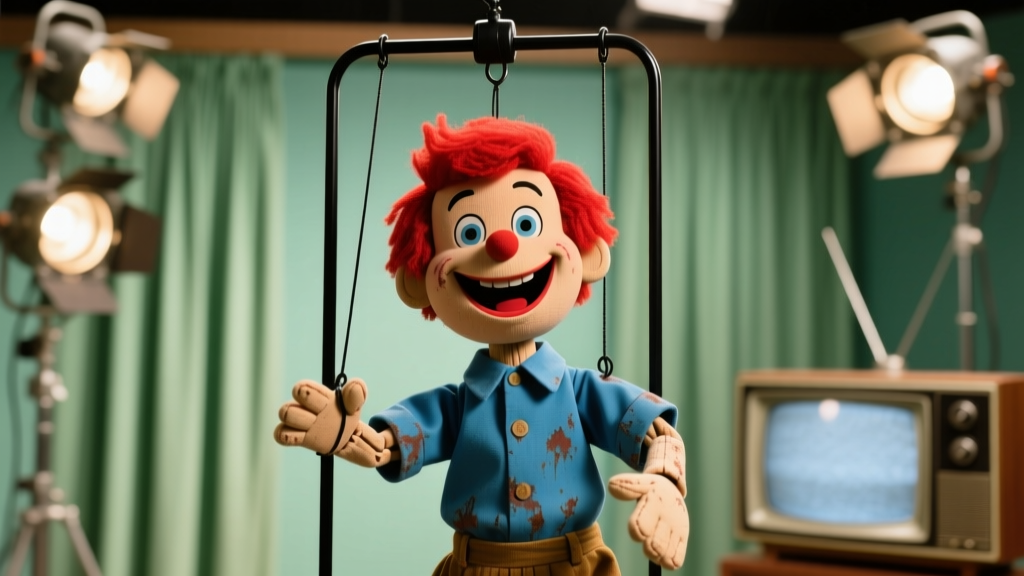
The Fact: Howdy was a highly complex marionette. While early iterations were simpler, the definitive Howdy Doody was a string puppet requiring immense technical skill to operate. Puppeteer Rufus Rose engineered the mechanical head, allowing Buffalo Bob Smith to trigger facial expressions, ear wiggles, and mouth movements via hidden levers and strings. From a branding perspective, this mechanical complexity allowed for nuanced, lifelike reactions that made the character feel genuinely present, establishing a parasocial bond with the audience that modern VTubers and digital avatars still rely on today.
Misconception 2: Buffalo Bob Smith was the sole creator.
The Fact: While Smith was the face and voice of the franchise's human element, the visual and narrative branding was a collaborative triumph. Velma Dawson, a master sculptor and puppeteer, designed and built the original iconic marionette head, giving the brand its unmistakable visual anchor. Meanwhile, writer Eddie Kean developed the lore, the catchphrases, and the fictional town of 'Doodyville.' This highlights a core personal branding lesson: the most enduring public personas are often the result of a specialized team working behind the scenes to craft a cohesive narrative.
Misconception 3: The brand died when the show ended in 1960.
The Fact: The television broadcast ended, but the IP transitioned into a masterclass in nostalgia marketing and legacy branding. Today, the character's likeness and catchphrases are actively licensed, and his digital footprint is maintained by retro-pop culture curators who use his image to evoke mid-century Americana.
Broadcast History & The Original 'Comment Section'
To truly appreciate the social media DNA of this franchise, we have to look at the 'Peanut Gallery.' In the studio, 40 children sat in bleachers, interacting directly with the puppets and Buffalo Bob. When Smith asked a question, the gallery would shout back in unison. This was the 1950s equivalent of a Twitch chat or a TikTok Live comment section.
The Peanut Gallery wasn't just a set piece; it was a vital community-building tool. It made the at-home audience feel like they were part of an exclusive club. Modern creators can trace the roots of the 'reply to comments' video format and live Q&A sessions directly back to Doodyville. The show also pioneered the use of a secret handshake and a specific greeting ('It's Howdy Doody Time!'), which functioned exactly like a modern branded hashtag or community inside joke, fostering intense brand loyalty among its demographic.
Digital Footprint: Social Media Presence & Nostalgia Branding
Because the original broadcast era predates the internet, analyzing the modern social media presence of this IP requires looking at how legacy brands and nostalgia curators manage his digital bio today. On platforms like Instagram and TikTok, vintage television archivists and official network heritage accounts keep the brand alive.
Bio Analysis: Pages managing legacy IPs like this utilize a very specific bio formula designed to trigger nostalgia and establish authority. A typical curator bio reads: 'Preserving the magic of Saturday Morning TV 📺 | Vintage Americana & Retro Toys | Submit your memories 👇'. This structure works because it immediately identifies the niche (vintage TV), sets the emotional tone (magic/nostalgia), and includes a clear call-to-action for user-generated content (submit memories).
Engagement Strategy: The posting style relies heavily on restored, high-contrast Technicolor imagery and rare behind-the-scenes footage. Engagement in the comments is uniquely multi-generational. Older demographics share first-hand childhood memories, while younger Gen Z users engage with the 'vintage aesthetic' and retro-futurism of the puppetry. For modern personal brands, this proves that archival content—when framed with the right nostalgic aesthetic—can drive massive engagement across entirely different age groups.
Personal Branding Takeaways for Modern Creators
What can a modern influencer, entrepreneur, or digital artist learn from a 1950s marionette? The answers lie in consistency, community, and transmedia expansion.
1. The Power of Signature Visual Anchors
The character was designed with exactly 48 freckles (representing the 48 states at the time) and a permanent, wide-eyed expression of wonder. He always wore a red cowboy bandana and a plaid shirt. In personal branding, you need your own '48 freckles.' Whether it is a specific color palette, a signature prop, or a consistent editing style, visual anchors make your content instantly recognizable in a crowded social media feed. Your Instagram grid should have a cohesive visual identity that users can identify before they even read your handle.
2. Treat Your Audience Like the Peanut Gallery
Don't just broadcast; interact. The genius of the show was that the audience's voices were incorporated into the narrative. Modern creators should use Instagram Story polls, TikTok duets, and community tabs to make their followers feel like active participants in the brand's story, rather than passive consumers. Highlight your community in your bio by using phrases like 'Building [X] with 50k+ creators' to foster a sense of belonging.
3. Transmedia Storytelling and Merchandising
The franchise didn't stay on TV. It expanded into comic books, bubblegum cards, records, and toys. Today, this is the equivalent of a YouTuber launching a podcast, a merch line, and a newsletter. A strong personal brand uses its social media bio as a hub (using link-in-bio tools) to direct traffic to various owned platforms, ensuring the audience can engage with the brand across multiple touchpoints.
Sources & Further Reading
- Smithsonian Magazine: The Woman Behind the Puppet - An in-depth look at Velma Dawson's crucial role in designing the character's iconic visual brand.
- Museum of Broadcast Communications - Archival data on the broadcast history, the Peanut Gallery, and the show's impact on early television advertising.