Understanding the Search: Who is Ilse Koch?
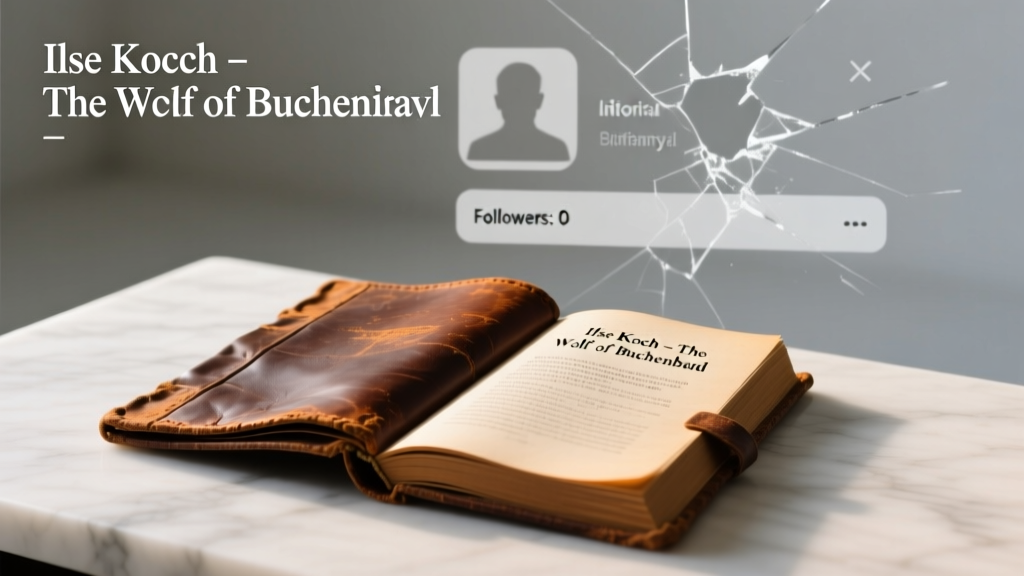
When individuals explore the digital footprints of famous figures, they occasionally encounter search queries that bridge the gap between modern internet culture and dark historical realities. The search for an "Ilse Koch Instagram bio" or an analysis of her personal branding is one such anomaly. To provide a beginner-friendly explainer, we must first address a fundamental historical fact: Ilse Koch was not a modern celebrity, influencer, or public figure with a curated social media presence. She was a notorious German war criminal whose legacy is permanently tied to the atrocities of World War II.
At lovemebio.com, we specialize in helping individuals craft positive, authentic, and engaging personal brands. However, analyzing a figure like Ilse Koch requires us to pivot from digital bio optimization to a profound exploration of historical legacy, reputation management, and the stark contrast between how we present ourselves today versus how history records the actions of the past. This article serves as an educational explainer, clarifying who she was, why she has no digital footprint, and what modern creators can learn about the permanence of reputation.
Quick Facts: The Historical Profile
| Attribute | Details |
|---|---|
| Full Name | Margarete Ilse Koch (née Köhler) |
| Born | September 22, 1906 (Essen, Germany) |
| Died | September 1, 1967 (Aichach, West Germany) |
| Nationality | German |
| Known For | War crimes, atrocities at Buchenwald concentration camp |
| Social Media Handles | None (Pre-internet era; deceased in 1967) |
The Historical Reality: Beyond the Search Query
To understand why there is no social media presence to analyze, we must look at the historical timeline. Ilse Koch was born in 1906 and rose to infamy during the 1930s and 1940s. She joined the Nazi Party in 1932 and later married Karl-Otto Koch, who became the commandant of the Buchenwald and Majdanek concentration camps. According to extensive documentation from the United States Holocaust Memorial Museum, Ilse Koch was known among prisoners and guards alike for her extreme cruelty, sadism, and lavish lifestyle, which stood in grotesque contrast to the suffering surrounding her.
Following the end of World War II, she was arrested and tried by an American military tribunal at Dachau in 1947. The media sensation surrounding her trial was unprecedented. She was dubbed the "Witch of Buchenwald" by international presses, a moniker that became permanently attached to her historical identity. This early form of global media sensationalism highlights how public perception was shaped long before the advent of viral internet trends. The prosecutors utilized dramatic narratives to ensure the world understood the depths of the camp's horrors, effectively sealing her historical reputation forever.
Although her sentence was initially reduced due to procedural controversies and a lack of direct eyewitness testimony linking her to specific murders, she was later tried again by a West German court in 1951 and sentenced to life imprisonment. She ultimately died by suicide in prison in 1967. As documented by Encyclopaedia Britannica, her life serves as a grim case study in the banality and active participation of evil during the Holocaust. Because her life ended decades before the invention of the internet, smartphones, or social media platforms, the concept of an "Ilse Koch bio" in the modern digital sense is an anachronism.
The Anachronism of Social Media Analysis
In the realm of personal branding, a social media bio is a tool for self-expression. It allows individuals to control their narrative, highlight their achievements, and connect with a community. When we analyze modern celebrities, we look at how they use emojis, line breaks, and link-in-bio tools to drive engagement. With historical figures associated with profound atrocities, this framework completely collapses. Ilse Koch’s public image was not curated by her; it was constructed by her victims, prosecuting attorneys, war correspondents, and historians.
Furthermore, the algorithms of today's social media platforms are designed to promote engagement, often rewarding controversy. If a figure like Ilse Koch existed in the modern era, the ethical guidelines and community standards of platforms like Instagram would necessitate immediate and permanent bans for hate speech and the promotion of violence. Thus, the very architecture of modern social media is fundamentally incompatible with the ideologies she represented. Any modern social media pages bearing her name are either historical archives, educational documentary pages, or inappropriate meme accounts that violate the terms of service of most major platforms.
Personal Branding Takeaways: The Weight of Legacy
While Ilse Koch offers no tips on font choices or emoji placement for your Instagram bio, examining her historical footprint provides profound, cautionary lessons for anyone looking to build a personal brand today. At lovemebio.com, we believe that a strong personal brand is rooted in authenticity, ethics, and positive contribution. Here is what modern creators, professionals, and influencers can learn from the stark reality of historical infamy.
1. Your Actions Are Your Ultimate Brand
In the digital age, it is easy to become obsessed with aesthetics. We worry about the color palette of our Instagram grid or the cleverness of our Twitter threads. However, history shows us that a person’s true legacy is built entirely on their actions and how they treat others. Ilse Koch’s historical footprint is universally condemned because of her actions. For modern professionals, this is a reminder that ethical behavior, kindness, and genuine value creation are the most sustainable foundations for any personal brand. No amount of digital curation can mask a toxic reality.
2. The Permanence of the Digital and Historical Record
Ilse Koch could not delete her legacy; it was recorded by the world. Today, the internet serves as a similar, albeit faster, permanent record. Every post, comment, and bio you publish becomes part of your digital footprint. Before you craft a controversial bio or engage in toxic online behavior, remember that the digital archive is unforgiving. Build a brand that you will be proud to have associated with your name decades from now.
3. Narrative Control vs. Historical Truth
Modern influencers have the luxury of controlling their narrative through daily stories and curated posts. Historical figures have their narratives controlled by those who outlive them and those who study them. When writing your bio, focus on verifiable truths and genuine passions rather than fabricated personas. Authenticity resonates with audiences because it is grounded in reality, whereas fabricated personas eventually crumble under scrutiny.
Conclusion: Building a Positive Digital Footprint
Searching for the social media presence of Ilse Koch is a journey that quickly leads away from the bright, curated world of modern influencers and into the dark, sobering archives of human history. As a beginner-friendly explainer, this article aims to correct the historical record while providing a meaningful bridge to the concepts of reputation and legacy. Your Instagram bio, LinkedIn summary, and personal website are more than just digital placeholders; they are the modern equivalents of historical archives. They tell the world who you are, what you value, and how you wish to be remembered. Use these tools to build a brand characterized by empathy, creativity, and positive impact. Craft a bio that reflects the best version of yourself, and let your actions ensure that your legacy is one you can be proud of.
Sources consulted for historical accuracy include the United States Holocaust Memorial Museum (ushmm.org) and Encyclopaedia Britannica (britannica.com).