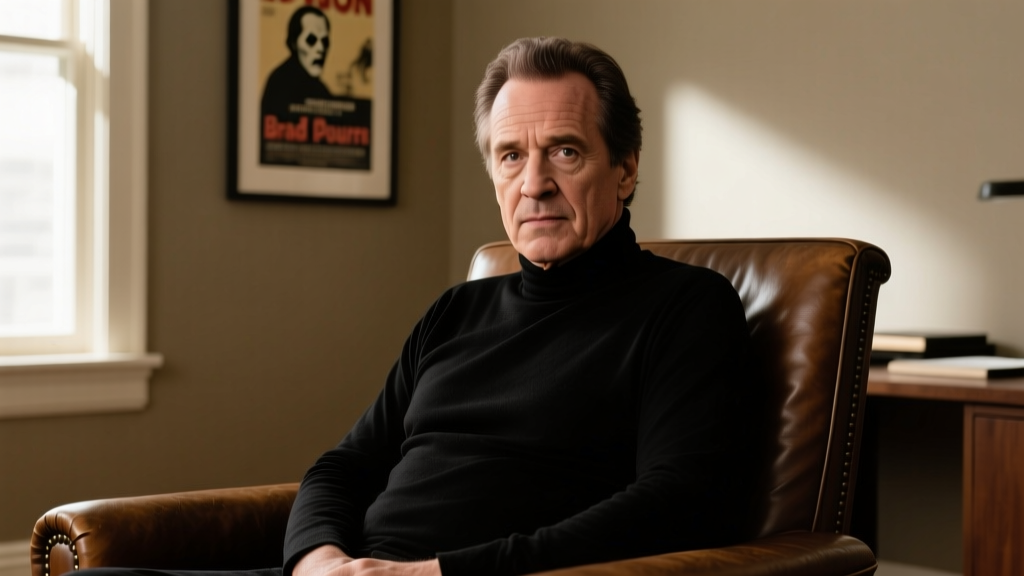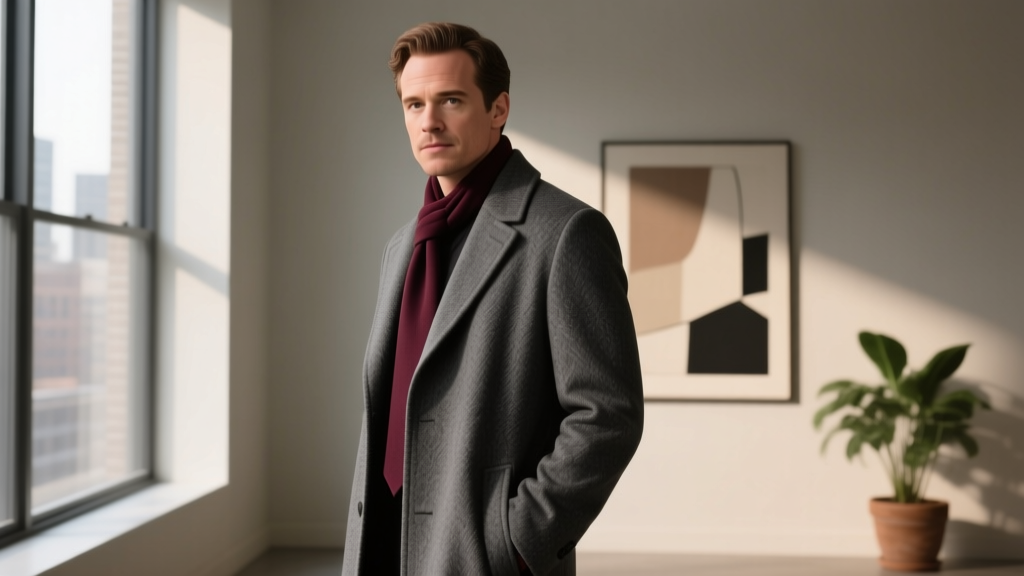
When you think of personal branding, you probably picture vibrant Instagram grids, daily TikTok vlogs, and bios packed with emojis and links. But what happens when your brand is built on grit, intensity, and letting your work do all the talking? Enter James Badge Dale. As a critically acclaimed character actor known for his brooding roles in massive television and film hits, Dale represents a fascinating case study in digital mystique. For beginners looking to build a personal brand, the pressure to overshare can be overwhelming. However, analyzing the James Badge Dale approach to his public persona offers a masterclass in minimalist branding. In this beginner-friendly explainer, we will break down how a Hollywood veteran navigates the digital age, why a quiet online presence can actually amplify your professional reputation, and how you can apply these strategies to your own social media bios.
Quick Facts: The Man Behind the Mystique
Before diving into his digital strategy, it is essential to understand the foundation of his brand. Here is a quick snapshot of the actor's background and professional footprint.
| Category | Details |
|---|---|
| Full Name | James Badge Dale |
| Born | May 1, 1978 (New York City, NY) |
| Nationality | American |
| Known For | The Pacific, The Departed, 24, Hightown |
| Social Media Handles | Private / Agency-Managed Representation |
A Career Built on Intensity and Authenticity
To understand a person's brand, you must first look at their body of work. James Badge Dale has built a formidable career playing complex, often morally ambiguous professionals. He first gained widespread attention as Chase Edmunds in the hit thriller series 24. He later delivered a powerhouse performance as Robert Leckie in the acclaimed HBO World War II miniseries The Pacific, produced by Steven Spielberg and Tom Hanks. On the big screen, he held his own alongside legends in Martin Scorsese's The Departed and brought villainous intensity to Iron Man 3. More recently, he has anchored the Starz crime drama Hightown as the gritty, complicated state trooper Ray Abruzzo.
His personal brand is inextricably linked to his on-screen persona: he is the reliable, intense, and deeply authentic character actor. He does not play the flashy leading man who relies on tabloid fame; instead, he plays the man who gets the job done, no matter how dark the circumstances. This professional identity heavily influences how he handles his public image off-screen.
Analyzing the James Badge Dale Social Media Presence
Unlike reality television stars or influencers who broadcast their morning routines, James Badge Dale does not maintain a hyper-active, verified Instagram account filled with selfies and sponsored posts. His digital footprint is what branding experts call the 'Ghost Strategy' or 'Curated Absence.' But why would a successful actor avoid the spotlight on social media?
For a character actor, overexposure on social media can actually damage their career. If an audience sees an actor posting daily vlogs from a coffee shop or participating in viral dance trends, it becomes incredibly difficult for them to believe that same actor as a hardened detective or a battle-weary soldier. By keeping his personal life offline, Dale preserves the illusion of his characters. His 'bio' is essentially his IMDb page, his talent agency roster, and the promotional interviews he does for specific projects.
His online presence relies entirely on third-party validation. Instead of telling the world how great he is via a boastful Instagram bio, he lets networks like HBO and Starz, alongside legendary directors like Martin Scorsese, validate his expertise. This creates an aura of mystique and prestige that a cluttered social media profile could never achieve.
3 Personal Branding Takeaways for Beginners
You might not be a Hollywood actor, but the principles behind the James Badge Dale branding strategy are incredibly valuable for beginners in any industry. Here is what you can learn from his minimalist approach.
1. The Power of the Minimalist Bio
Beginners often feel the need to stuff their Instagram or LinkedIn bios with buzzwords, emojis, and a list of every hobby they have. Dale's approach teaches us that restraint signals confidence. A clean, simple bio that states exactly what you do and provides a single link to your portfolio is often much more powerful than a cluttered one. If you are a freelance designer, a bio that simply reads 'Brand Identity Designer | Portfolio Below' commands more immediate respect than a paragraph about your love for iced coffee and golden retrievers.
2. Let Third-Party Validation Work for You
Instead of writing 'I am an award-winning expert' in your bio, let others say it for you. Dale relies on the prestige of his co-stars and directors to elevate his brand. In your own career, use your bio to link to a website featuring client testimonials, published articles, or case studies. Let your past clients and colleagues be the voice that hypes you up.
3. Protect Your Mystique and Energy
There is a pervasive myth that to build a personal brand, you must post ten times a day and share your deepest thoughts. Dale proves that you do not owe the internet your daily routine. Protecting your energy and maintaining a boundary between your private life and your professional output can actually make your audience respect you more. Mystery is a highly underrated branding tool.
How to Write a 'Ghost Strategy' Bio for Your Own Profile
If you want to emulate this high-prestige, minimalist approach on your own social media or professional networking profiles, follow these actionable steps:
- Strip Away the Fluff: Remove generic adjectives like 'passionate,' 'ninja,' or 'guru.' Stick to your actual job title and industry.
- Use a High-Quality Headshot: Since you will not be posting daily selfies, your single profile picture needs to be professional, well-lit, and indicative of your industry's tone.
- Centralize Your Proof: Use your single bio link to direct people to a centralized hub (like a Linktree, personal website, or digital portfolio) where your actual work lives.
- Curate Your Highlights: If you use Instagram for business, treat your Story Highlights like a professional resume. Keep them organized, neatly designed, and strictly focused on your work, testimonials, and services.
Final Thoughts on Digital Restraint
In an era where everyone is fighting for attention through oversharing, choosing to say less is a radical and highly effective move. James Badge Dale has built a remarkable, decades-long career by letting his talent speak louder than his social media feeds. For beginners stepping into the world of personal branding, remember that your bio is not a diary; it is a digital business card. By embracing minimalism, focusing on your craft, and letting your results do the talking, you can build a brand that exudes quiet confidence and undeniable authority.