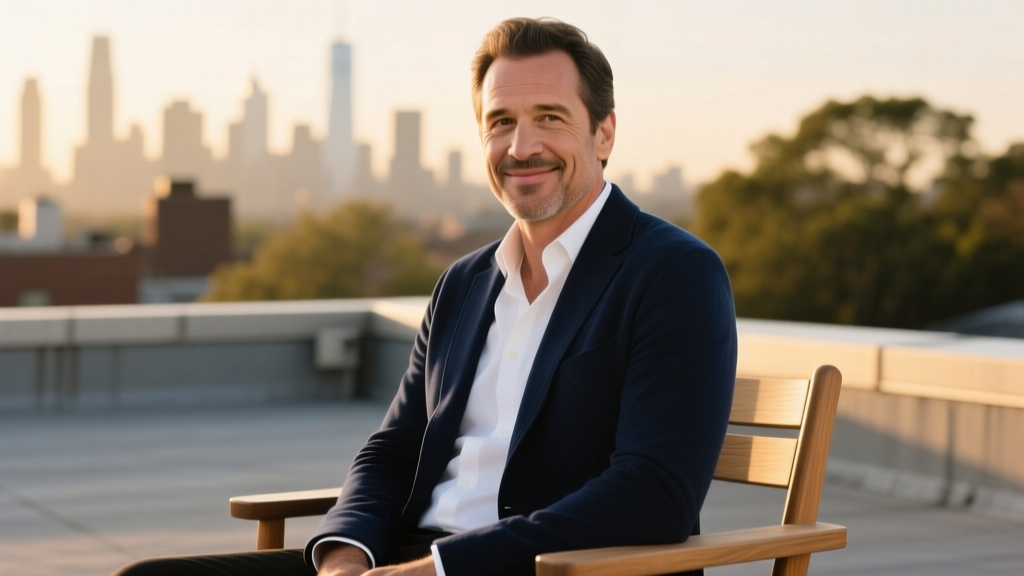
In an era where influencers broadcast every meal and actors live-tweet their morning coffee, building a personal brand usually means oversharing. But what happens when one of Hollywood's most captivating actors refuses to play the game? Enter James Spader. Best known for his mesmerizing, morally complex roles as Raymond 'Red' Reddington on NBC's The Blacklist and the eccentric lawyer Alan Shore on Boston Legal, Spader has cultivated a legendary career while maintaining near-total digital silence. For personal branding enthusiasts, his approach offers a fascinating masterclass in the power of mystique, scarcity, and letting your work speak for itself.
Quick Facts & Career Highlights
Before diving into the psychology of his personal brand, it is essential to understand the foundation of his career. Spader is not a household name because of viral TikTok dances or controversial Twitter threads; he is a household name because of undeniable, Emmy-winning talent.
| Attribute | Details |
|---|---|
| Full Name | James Todd Spader |
| Born | February 7, 1960 (Boston, Massachusetts) |
| Nationality | American |
| Known For | The Blacklist, Boston Legal, The Office, Sex, Lies, and Videotape |
| Awards | 3x Primetime Emmy Winner, Cannes Best Actor |
| Social Media Handles | None (The Ultimate Digital Ghost) |
Defining Career Milestones
- Breakthrough (1989): Won the Best Actor award at the Cannes Film Festival for his role in Steven Soderbergh's indie classic Sex, Lies, and Videotape.
- The 80s Icon (1986): Portrayed the iconic, wealthy bully Steff McKee in Pretty in Pink, cementing his status in 80s pop culture.
- Television Dominance (2004-2008): Won three Primetime Emmys for his portrayal of the brilliant, unethical, and deeply charming lawyer Alan Shore in The Practice and its spin-off Boston Legal.
- Cult Cameo (2011): Guest-starred as the enigmatic and intimidating CEO Robert California on The Office, a role that felt like a meta-commentary on Spader's own intense aura.
- Procedural Kingpin (2013-2023): Anchored NBC's The Blacklist for 10 seasons and 218 episodes as Raymond Reddington, proving his ability to carry a global television franchise.
The Digital Ghost: James Spader's Social Media Presence
If you search for James Spader on Instagram, X (formerly Twitter), or TikTok, you will find zero verified, official accounts. You will, however, find dozens of fan pages, tribute accounts, and network-run promotional profiles. This is entirely by design. Spader views acting as a craft and fame as a byproduct, not a lifestyle to be monetized through influencer endorsements.
In the marketing world, there is a psychological concept known as the Scarcity Principle. When something is rare or difficult to obtain, its perceived value skyrockets. By refusing to participate in the daily noise of social media, Spader has turned his public appearances into events. When he does do a press junket, sit down for a rare interview, or appear on a late-night talk show, audiences lean in. They know they are getting a curated, unfiltered glimpse into a mind that isn't diluted by daily engagement bait.
His digital footprint is entirely managed by his employers (like NBC) and his fans. This creates a unique dynamic: the audience does the work of building his brand for him. Fan accounts compile his best quotes as Alan Shore or Red Reddington, generating millions of views. By stepping back, Spader allows his characters to become larger-than-life mythological figures rather than tethering them to a mundane behind-the-scenes Instagram story.
Defining the 'Spader Persona' On and Off Screen
While he lacks a social media bio, Spader's 'brand voice' is incredibly consistent. Anyone who has watched his rare interviews on YouTube or late-night television recognizes the 'Spader Persona.' He speaks with a deliberate, almost hypnotic cadence. He is articulate, self-deprecating, deeply thoughtful, and slightly eccentric. He doesn't use buzzwords; he tells meandering, fascinating stories about his life, his dogs, or his observations of human nature.
This consistency between the man and his characters is a cornerstone of elite personal branding. The audience trusts him because he never breaks character in the real world to chase a trend. He doesn't do celebrity feuds. He doesn't post political rants. He doesn't share his family life. He maintains a fortress of privacy that makes his on-screen charisma feel like a rare, exclusive commodity. For a masterclass in this, one only needs to look at his extensive filmography on IMDb, where the work stands entirely on its own merit without the need for a digital PR machine.
Personal Branding Takeaways: The Power of Mystique
You might not be a Hollywood A-lister, but you can absolutely apply the 'Spader Method' to your own social media bios, LinkedIn profiles, and personal branding strategy. Here is how you can use mystique and boundary-setting to elevate your digital presence.
1. The Minimalist Bio Strategy
Most people treat their Instagram or LinkedIn bio like a resume, cramming in every hobby, job title, and emoji available. Spader's approach teaches us the power of the minimalist bio. If you want to project authority, use fewer words. A bio that simply reads 'Writer. Observer. Based in Chicago.' often commands more respect than a paragraph detailing your entire life story. Leave them wanting more. Use your bio to state your core identity, not your entire history.
2. Let Your Portfolio Speak (Show, Don't Tell)
Spader doesn't need to tweet that he is a great actor; his three Emmys and 10-season television run do the talking. In your own career, prioritize your portfolio, your published work, or your case studies over your daily social media chatter. If you are a designer, a writer, or a consultant, let your Linktree or website direct people to your best, most polished work. High-quality output is the ultimate personal brand.
3. Establish Digital Boundaries
There is a growing movement of professionals who are reclaiming their privacy online. You do not owe the internet your weekend plans, your political opinions, or your family photos. Curating a highly professional, slightly mysterious online presence can actually attract higher-tier clients or employers who value discretion and professionalism. It is perfectly acceptable to run a private Instagram account for your friends while maintaining a stark, professional LinkedIn profile for your career.
4. Cultivate a Signature Voice
When Spader does speak, it is unmistakably him. Find your own signature voice. Whether it is a specific way you format your newsletters, a unique visual style for your photography, or a distinct tone of humor in your copywriting, consistency is key. You don't need to be everywhere; you just need to be unmistakably you wherever you choose to show up.
Final Thoughts on Curating Your Digital Boundaries
James Spader proves that in a world addicted to oversharing, silence can be the loudest statement you make. His brand is built on a foundation of immense talent, unwavering privacy, and the understanding that true charisma doesn't require a ring light or a viral hashtag. As you craft your own bio and digital footprint on lovemebio.com, ask yourself: Are you sharing to feed the algorithm, or are you curating a presence that commands respect? Sometimes, the most powerful personal branding move you can make is stepping back, setting a boundary, and letting your brilliance speak for itself.