
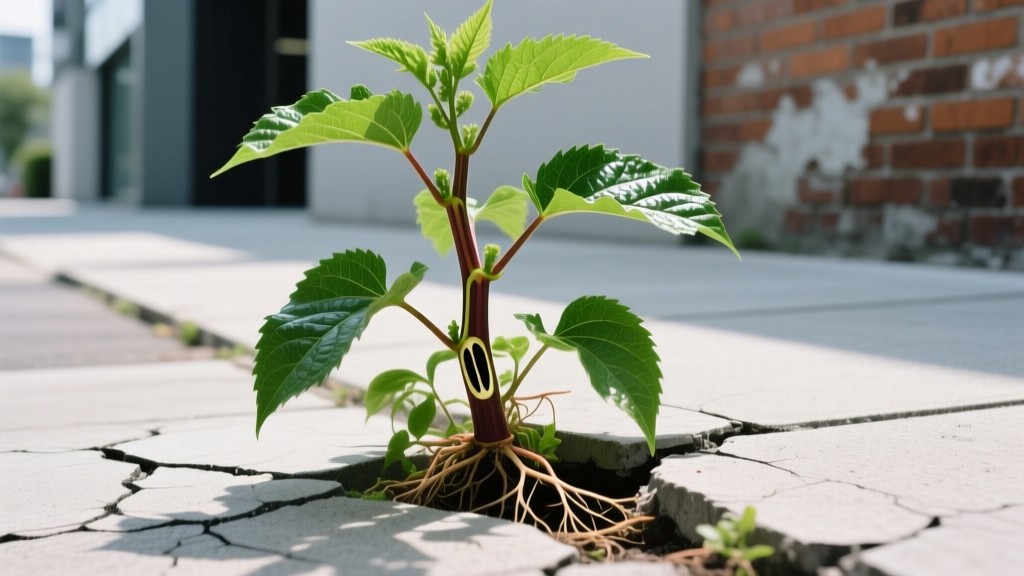
When we talk about notorious celebrities who completely dominate their niche, no one does it quite like Japanese Knotweed. While not a human influencer, this botanical powerhouse has built a massive, albeit infamous, personal brand across the global landscaping and ecological feeds. Known for its aggressive growth hacking and ability to take over any environment it enters, Japanese Knotweed is the ultimate case study in what happens when a brand prioritizes relentless expansion over community harmony. In this comparison and alternatives analysis, we break down the social presence of this invasive icon and explore sustainable native alternatives for your own ecological and digital branding.
The Rise of Japanese Knotweed: Quick Facts
Before we dive into the branding analysis, let us look at the core metrics of this ecological celebrity. Much like a controversial internet personality, the numbers behind this plant are staggering and demand attention.
| Attribute | Details |
|---|---|
| Full Name | Reynoutria japonica (Japanese Knotweed) |
| Born / Introduced | Mid-19th Century (to Western markets) |
| Nationality / Origin | East Asian (Japan, China, Korea) |
| Known For | Aggressive growth, property damage, ecological dominance |
| Social Handles / Tags | #japaneseknotweed, #invasivespecies, #botanicalnightmare |
Social Media Presence and Invasive Branding
If Japanese Knotweed had an Instagram account, its bio would be a masterclass in aggressive positioning. On platforms like Instagram and TikTok, the hashtag #japaneseknotweed boasts hundreds of thousands of posts. However, unlike traditional celebrities who curate aspirational lifestyles, the social media presence of Japanese Knotweed is largely driven by user-generated content focused on eradication, frustration, and awe at its sheer destructive power. It is the ultimate villain of the gardening world.
From a personal branding perspective, Japanese Knotweed relies on what marketers call shock value. Its brand identity is built on being unstoppable. Videos showing time-lapses of its bamboo-like stems piercing through concrete generate millions of views. This is the ecological equivalent of clickbait. It forces engagement through sheer disruption. Homeowners post photos of their ruined patios, while specialized exterminators use the plant's notorious reputation to build their own businesses, essentially piggybacking on the knotweed infamy.
However, this type of branding is inherently toxic. In the digital space, an aggressive, boundary-pushing brand might gain quick followers, but it ultimately alienates the community. Japanese Knotweed does not collaborate with its environment; it suffocates it. It blocks out the sunlight, deprives native flora of nutrients, and leaves the soil barren. As a metaphor for social media, it represents the spammy influencer who uses follow-unfollow tactics, buys bots, and floods comment sections with self-promotion. The reach is vast, but the engagement is entirely negative.
Comparison: Japanese Knotweed vs. Native Alternatives
To truly understand the flaws in an aggressive, invasive brand strategy, we must compare Japanese Knotweed to sustainable, native alternatives. In the influencer ecosystem, these native plants are the authentic micro-influencers. They might not grow ten centimeters a day or crack a foundation, but they build deep, meaningful connections with their local audience (pollinators and native wildlife).
Alternative 1: Red Osier Dogwood (The Authentic Storyteller)
Where Japanese Knotweed offers a monolithic, green wall of noise, the Red Osier Dogwood offers seasonal storytelling. Its branding is rooted in authenticity and visual variety. In the winter, its bright red stems provide stunning contrast against the snow, giving it a highly aesthetic, curated feed. For your own Instagram bio, the Dogwood teaches us the value of seasonal pivoting and showing different facets of your personality. Instead of a single, aggressive sales pitch, your bio should reflect your multifaceted interests, drawing in a loyal, engaged audience that appreciates your genuine aesthetic.
Alternative 2: Native Elderberry (The Community Builder)
The Native Elderberry is the ultimate community manager of the plant world. It produces flowers that feed pollinators in the spring and berries that sustain birds in the fall. Its brand is built on mutual benefit and value exchange. When comparing this to Japanese Knotweed, the difference in social capital is night and day. Knotweed takes; Elderberry gives. If you are crafting a personal brand on LinkedIn or Instagram, model your bio after the Elderberry. Clearly state what value you provide to your followers. Use your bio to highlight how you help others, rather than just listing your own aggressive achievements.
Alternative 3: Sweet Fern (The Niche Specialist)
Sweet Fern thrives in poor soils and difficult conditions, carving out a highly specific niche where others fail. It does not try to take over the entire forest; it dominates its specific micro-environment. Japanese Knotweed tries to be everywhere at once, which makes it a target for eradication. Sweet Fern teaches us the power of niche personal branding. Your bio should not try to appeal to everyone. By narrowing your focus and speaking directly to a specific target audience, you build a resilient, dedicated following that algorithms and competitors cannot easily uproot.
Personal Branding Takeaways for Your Bio
Analyzing the ecological behavior and digital footprint of Japanese Knotweed provides several critical lessons for human creators, entrepreneurs, and professionals looking to optimize their social media bios.
- Avoid Digital Invasiveness: Just as knotweed chokes out native plants, a bio stuffed with spammy links, excessive emojis, and aggressive calls-to-action will choke out your core message. Keep your bio clean, breathable, and focused.
- Define Your Boundaries: Japanese Knotweed lacks boundaries, spreading via hidden rhizomes into neighboring properties. In personal branding, boundaries mean knowing exactly who your content is for and who it is not for. Use your bio to clearly define your niche so you attract the right followers.
- Prioritize Sustainable Growth: Going viral for the wrong reasons is the digital equivalent of an invasive species. It brings temporary attention but long-term reputational damage. Focus on sustainable growth by writing a bio that accurately reflects your true skills, values, and personality.
- Be a Resource, Not a Roadblock: People search for Japanese Knotweed to figure out how to destroy it. You want people to search for your profile to learn from you. Frame your bio as a resource. Include a clear value proposition that tells visitors exactly what they will gain by following you.
Final Thoughts on Ecological Influence
The story of Japanese Knotweed is a fascinating, albeit destructive, tale of unchecked expansion. It proves that being the most visible entity in a space does not equate to being the most valued. As you refine your own digital presence, remember that the best personal brands are like native ecosystems: diverse, supportive, deeply rooted, and inherently valuable to the community around them. Ditch the invasive tactics, embrace your native strengths, and watch your authentic audience grow.
Sources: