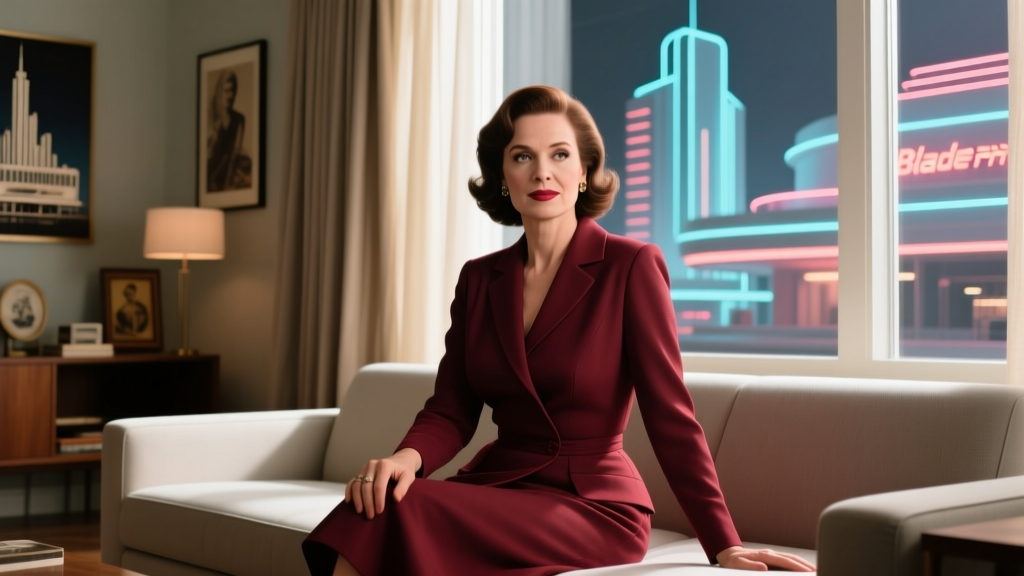
When we discuss personal branding, the conversation often skews toward modern influencers and digital natives. However, true brand longevity is built on a foundation of history, adaptability, and undeniable talent. The Joanna Cassidy origin story is a masterclass in how a multifaceted career—spanning high fashion, cult sci-fi cinema, and prestige television—creates an enduring digital legacy. For those looking to craft a bio that commands respect and tells a compelling story, examining how this Hollywood veteran presents herself offers invaluable lessons.
The Origin Story: From New Jersey to Ford Models
Born Joanna Virginia Caskey on August 2, 1945, in Haddonfield, New Jersey, Cassidy's early life was rooted in the quiet suburbs. She attended Syracuse University, but it was her transition into the fashion world that first defined her public image. In the 1960s, she became a successful fashion model, eventually signing with the prestigious Ford Models agency. This origin story is crucial to understanding her brand: before she ever spoke a line of dialogue on film, Cassidy was already a master of visual storytelling, poise, and camera awareness.
Her modeling career provided the financial independence and industry connections to pivot toward acting in the late 1960s and early 1970s. Unlike many actors who start in community theater or obscure commercials, Cassidy entered Hollywood with an established aura of high-fashion elegance. This unique origin gave her a distinct competitive edge, allowing her to secure roles that required a commanding, sophisticated presence.
Defining Roles That Shaped the Joanna Cassidy Brand
An actor's personal brand is inextricably linked to their most culturally resonant work. For Cassidy, three distinct pillars define her professional identity, each appealing to a different demographic and cementing her status as a versatile icon.
1. The Sci-Fi Cult Icon: Blade Runner (1982)
As Zhora Salome, the replicant who performs with a synthetic snake in Ridley Scott's Blade Runner, Cassidy etched herself into cinematic history. Though her screen time was relatively brief, the visual impact of her character—running through the neon-lit, rain-soaked streets of a dystopian Los Angeles—became one of the most iconic sequences in science fiction. This role guarantees her permanent relevance in pop culture, ensuring that her name continues to trend decades later whenever the franchise is discussed.
2. The Prestige TV Powerhouse: Six Feet Under (2001-2005)
If Blade Runner gave her cult immortality, HBO's Six Feet Under proved her profound dramatic range. Playing Margaret Chenowith, the complex, often infuriating, and deeply flawed mother of main characters Nate and David, Cassidy earned Golden Globe and Emmy nominations. This era of her career rebranded her for a new generation of television critics and prestige TV fans, showcasing an ability to handle nuanced, emotionally heavy material.
3. The Mainstay of 80s & 90s Cinema
Between her sci-fi and prestige TV peaks, Cassidy was a ubiquitous presence in beloved comedies and genre films. From playing the sharp-witted Dolores in Who Framed Roger Rabbit (1988) to starring in the cult classic Don't Tell Mom the Babysitter's Dead (1991), she built a filmography that feels deeply nostalgic to Gen X and Millennial audiences.
| Quick Facts | Details |
|---|---|
| Full Name | Joanna Virginia Caskey |
| Born | August 2, 1945 (Haddonfield, New Jersey) |
| Nationality | American |
| Known For | Blade Runner, Six Feet Under, Who Framed Roger Rabbit |
| Digital Footprint | joannacassidy.com, IMDb, Legacy Fan Archives |
Analyzing the Joanna Cassidy Social Media Presence
How does a veteran actress with a 50-year career manage her digital footprint in an era dominated by TikTok and Instagram oversharing? The approach to social media taken by icons like Cassidy is a study in legacy curation over viral chasing.
Unlike modern celebrities who use their Instagram bios to promote ephemeral brand deals or daily vlogs, Cassidy’s digital presence is anchored by authority. Her official website and verified industry profiles (like her comprehensive IMDb page) serve as her primary digital business cards. When veteran actors of her stature engage with social media, it is often through curated Facebook communities, legacy fan pages, or selective promotional tours for milestone anniversaries (such as the 40th anniversary of Blade Runner).
Her 'bio' across the web relies on heavy-hitting, undeniable keywords. She doesn't need to list every guest spot on a 1970s procedural; her digital identity is anchored by her highest-impact roles. Furthermore, her background in fashion modeling means that the archival photos used to represent her brand online are inherently striking. She understands that a single, high-quality image from her Blade Runner days or a red-carpet appearance communicates more brand value than a dozen casual, unfiltered selfies. Her digital strategy proves that mystique and professional distance can actually enhance a personal brand, making every public appearance or digital update feel like an event.
Personal Branding Takeaways for Your Own Bio
You might not be a replicant in a dystopian future or a Ford Model from the 1960s, but the mechanics of this origin story offer brilliant, actionable takeaways for your own Instagram, LinkedIn, or personal website bio.
1. Anchor Your Bio With 'Cult Classics'
Cassidy’s brand is held up by a few massive pillars rather than a laundry list of minor credits. The Lesson: Stop cluttering your social media bio with every minor achievement or side hustle. Identify your 2 or 3 'Blade Runner' moments—your most impressive, recognizable, or unique accomplishments—and make them the focal point of your profile. Quality and impact always outshine volume.
2. Leverage Your Unique Origin Story
Cassidy didn’t hide her modeling past; it informed her on-screen grace and set her apart from her peers. The Lesson: What is your unconventional origin? Did you start in a completely different industry before pivoting to your current career? Mentioning a unique background (e.g., 'Former Architect turned UX Designer') adds instant depth and intrigue to your personal brand narrative.
3. Practice Legacy Curation
There is power in restraint. A digital footprint doesn't need to be noisy to be effective; it should be deliberate and authoritative. The Lesson: Treat your link-in-bio or personal website as a curated gallery rather than a dumping ground for every thought you have. Use high-quality visuals, professional copywriting, and links to your most substantial work. A clean, well-maintained digital presence signals confidence and established authority.
4. Embrace the Power of the Niche
By embracing her status as a sci-fi icon and a prestige TV veteran, Cassidy captures highly dedicated fanbases. The Lesson: Don't be afraid to lean into your specific niche in your bio. Using targeted keywords that appeal directly to your ideal audience (whether they are indie game developers, sustainable fashion lovers, or B2B tech buyers) will attract a more engaged and loyal following than trying to appeal to everyone.