
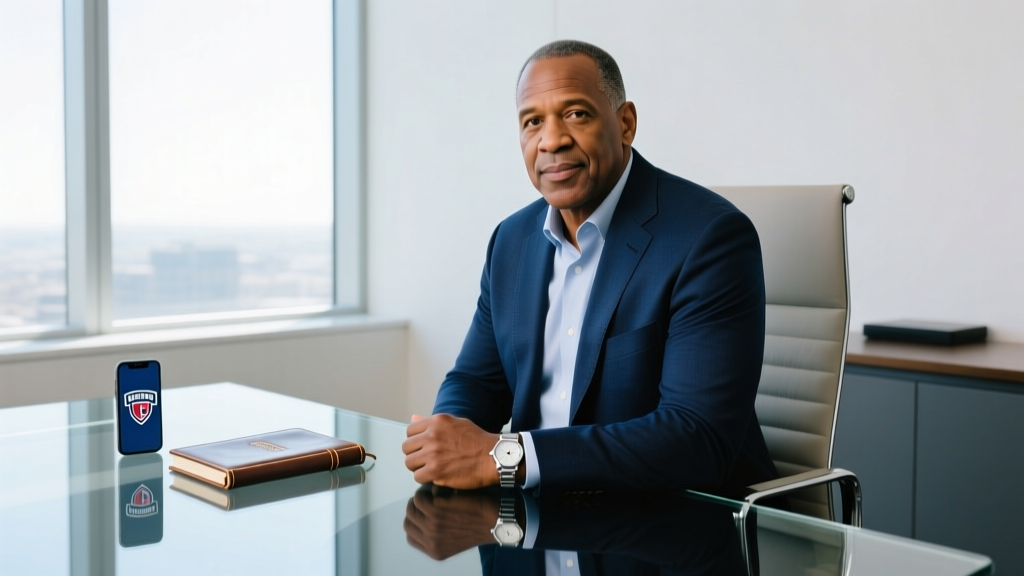
In the modern sports ownership landscape, the loudest voices often dominate the timeline. Yet, the most successful architect of global sports empires operates in near-total digital silence. John Henry, the principal owner of Fenway Sports Group (FSG), has redefined what it means to be a modern sports billionaire. While celebrity owners leverage Instagram and X (formerly Twitter) to build B2C influencer brands, Henry’s approach represents a massive trend report shift: the rise of the institutional, data-driven mogul. By analyzing his digital footprint—or lack thereof—we uncover profound lessons in personal branding, legacy building, and the power of strategic absence.
The Blueprint: Data Over Drama
Before he was lifting trophies at Anfield or breaking curses at Fenway Park, John W. Henry was a commodities trader. He built his initial fortune by developing mathematical models to predict market trends, a highly analytical background that fundamentally shapes his personal brand today. Unlike owners who treat sports franchises as vanity projects or reality TV backdrops, Henry brands himself as a steward of legacy and a disciple of data.
This 'Moneyball' philosophy—though FSG has evolved far beyond simple sabermetrics—permeates his public identity. Henry rarely engages in public feuds with rival owners or fans. His brand is built on patience, institutional stability, and long-term ROI. In an era where personal branding often equates to oversharing, Henry’s brand is defined by an aura of untouchable, quiet competence. He lets the front offices and the trophy cabinets do the talking.
Quick Facts: The Architect of FSG
| Attribute | Details |
|---|---|
| Full Name | John William Henry II |
| Born | July 13, 1949 |
| Nationality | American |
| Known For | Principal Owner, Fenway Sports Group (Liverpool FC, Boston Red Sox, Pittsburgh Penguins) |
| Social Media | N/A (Operates via institutional channels: @FSG, @LFC, @RedSox) |
| Net Worth | Estimated $6+ Billion (Forbes) |
Social Media Presence: The Power of Strategic Silence
If you search for a personal, verified John Henry Instagram or X account, you will come up empty. This is not an oversight; it is a highly calculated personal branding strategy. In the current digital landscape, high-net-worth individuals are increasingly retreating from the public square. The 'Silent Mogul' trend is a direct response to the liabilities of cancel culture, the volatility of public opinion, and the distraction of the 24-hour news cycle.
Henry’s 'social media bio' is effectively his corporate portfolio. When he does communicate with the public, it is through meticulously crafted, long-form open letters published on official team websites. For example, during the height of the 2020 pandemic, Henry sent a deeply personal, yet highly professional email to Liverpool FC staff regarding furloughs, which was subsequently leaked and praised for its empathy and transparency.
By avoiding the triviality of daily social media posting, Henry maintains immense leverage and mystique. When the principal owner speaks, the media listens. He has successfully trained the press and the fanbases to view his silence not as absence, but as a sign that the adults are in the room, focusing on the business of winning.
Trend Report: Institutional vs. Celebrity Ownership
The current landscape of sports ownership is bifurcated into two distinct personal branding camps, and Henry is the undisputed king of the institutional side.
- The Celebrity-Influencer Owner: Think Mark Cuban, Ryan Reynolds, or Michael Jordan. Their personal brands are deeply intertwined with their teams. They tweet at fans, star in documentaries, and use the team as a megaphone for their personal pop-culture relevance.
- The Institutional Mogul: This is the John Henry model. FSG operates like a private equity firm. The branding is B2B (business-to-business) and legacy-focused. The focus is on multi-club ownership models, regional sports networks (NESN), and global merchandising infrastructure.
The trend report for the 2020s shows a massive shift toward the Henry model. As sports franchises become multi-billion-dollar asset classes, the 'celebrity owner' is being replaced by sovereign wealth funds and private consortiums. Henry’s personal brand perfectly aligns with this institutional shift. He presents himself not as a fan who bought a toy, but as a CEO managing a global portfolio of historic cultural institutions.
Crisis PR and the Apology as a Branding Tool
True personal branding is tested in crisis. Henry’s defining public moment in recent years was the European Super League (ESL) debacle in 2021. When FSG attempted to break away from the Premier League, the fan backlash was apocalyptic.
Instead of hiding behind corporate PR jargon or deleting tweets, Henry released a video and a written statement taking absolute, unvarnished responsibility. 'I'm responsible for everything negative that has happened over the past 48 hours,' he stated, looking directly into the camera. This masterclass in accountability salvaged his personal brand among Liverpool supporters. It proved that while he may be a silent, data-driven billionaire, he possessed the emotional intelligence to read the room and protect the institution's soul. It’s a vital lesson: a strong personal brand isn't about never making mistakes; it's about owning them with absolute clarity.
Personal Branding Takeaways for Your Profile
How can you apply the John Henry blueprint to your own Instagram bio, LinkedIn profile, or personal brand? Here are the key takeaways from the FSG founder's playbook:
- Embrace Strategic Silence: You don't need to post every thought to remain relevant. Curate your feed. A profile with 50 high-impact, professional posts is infinitely more valuable than one with 5,000 posts of daily noise. Let your absence create intrigue.
- Let the Portfolio Speak: Instead of using your bio to list adjectives like 'visionary' or 'hustler,' link to your actual work. Henry doesn't need to call himself a winner; his bio is implicitly written by the World Series and Champions League trophies in the cabinet. Use your link-in-bio to showcase tangible case studies.
- Institutional Alignment: Align your personal brand with your professional ventures. If you are a founder or executive, ensure your personal aesthetic mirrors the stability and quality of your company. Henry’s quiet dignity perfectly mirrors FSG’s reputation for stable, long-term growth.
- Master the Long-Form Apology: If you make a mistake in your industry, avoid the defensive, fragmented Twitter apology. Take full ownership in a single, well-crafted statement. Accountability is a highly attractive personal branding trait that builds deep, long-term trust with your audience.
Sources & Further Reading
- Forbes Profile: John W. Henry Net Worth & FSG Valuation
- Liverpool FC Official: John Henry Open Letters & Fan Communications
- Wikipedia: John W. Henry Biographical Data & Career Timeline