When building a personal brand in the entertainment industry, creators typically choose between being a mysterious, untouchable auteur or an accessible, chronically online fan-favorite. For over two decades, Joss Whedon represented the ultimate accessible auteur. As the mastermind behind beloved genre properties, his personal brand was inextricably linked to his witty dialogue, feminist undertones, and deep parasocial relationship with his fandom. However, analyzing the Joss Whedon brand today requires a stark comparison between his carefully crafted public persona and the industry alternatives for showrunners, especially in the wake of severe workplace allegations that fractured his public image.
At lovemebio.com, we study how personal brands are built, maintained, and sometimes dismantled. By comparing Whedon’s trajectory to alternative branding strategies in Hollywood, we can uncover vital lessons for anyone managing a public-facing digital identity, social media bio, or creative portfolio.
| Quick Facts: Joss Whedon | |
|---|---|
| Full Name | Joseph Hill Whedon |
| Born | June 23, 1964 (New York City, USA) |
| Nationality | American |
| Known For | Buffy the Vampire Slayer, Firefly, The Avengers |
| Social Media | Twitter/X (Inactive/Deleted), Instagram (Private/Absent) |
The Showrunner Brand: Joss Whedon vs. Industry Alternatives
To understand Whedon’s personal brand, we must compare it to the alternatives prevalent among elite television showrunners and directors. Historically, Whedon cultivated the 'Fanboy King' archetype. His brand was built on approachability, self-deprecation, and a shared language with geek culture. He didn't just make shows for fans; he positioned himself as one of them.
Contrast this with the 'Prestige Mystery' alternative adopted by creators like David Fincher or Christopher Nolan. These directors brand themselves through distance, meticulous craft, and a refusal to over-explain their work on social media. Alternatively, look at the 'Corporate Mogul' brand of Ryan Murphy or Shonda Rhimes, whose personal brands are deeply tied to their production empires, business acumen, and industry dominance rather than niche fandoms.
Whedon’s choice to be the 'quirky underdog' who fought studio interference (most notably with Firefly) created a fiercely loyal, protective fanbase. His brand was not just about the art; it was about the shared struggle against network executives. While this created a powerful moat around his early career, it also set up a parasocial dynamic that would later complicate his public standing when his real-world behavior contradicted his on-screen empathy.
Joss Whedon on Social Media: The Shift to Digital Silence
In the late 2000s and early 2010s, Whedon’s social media presence was a masterclass in niche community building. On Twitter, he didn't use a PR team to post sanitized updates. Instead, he shared quirky musings, behind-the-scenes set photos, and direct interactions with fans. His digital bio and posting style reinforced his brand as a witty, intellectual, and accessible creator. He famously used his platform to advocate for progressive causes, most notably directing the viral 'Equality Now' video and spearheading the web musical Dr. Horrible's Sing-Along Blog during the Writers Guild strike.
However, the alternative to this high-engagement strategy is digital silence—a path Whedon ultimately took. Following intense public scrutiny and allegations of fostering toxic work environments, Whedon effectively vanished from social media. Unlike celebrities who utilize the 'PR Apology Tour' alternative (posting a carefully vetted notes-app apology and attempting a rebrand), Whedon chose complete digital withdrawal. For personal branding analysts, this highlights a critical pivot: when a brand is built entirely on a specific moral or interpersonal persona, and that persona is challenged, silence is often the only alternative to further brand degradation.
Filmography and TV: Branding Through Universe Building
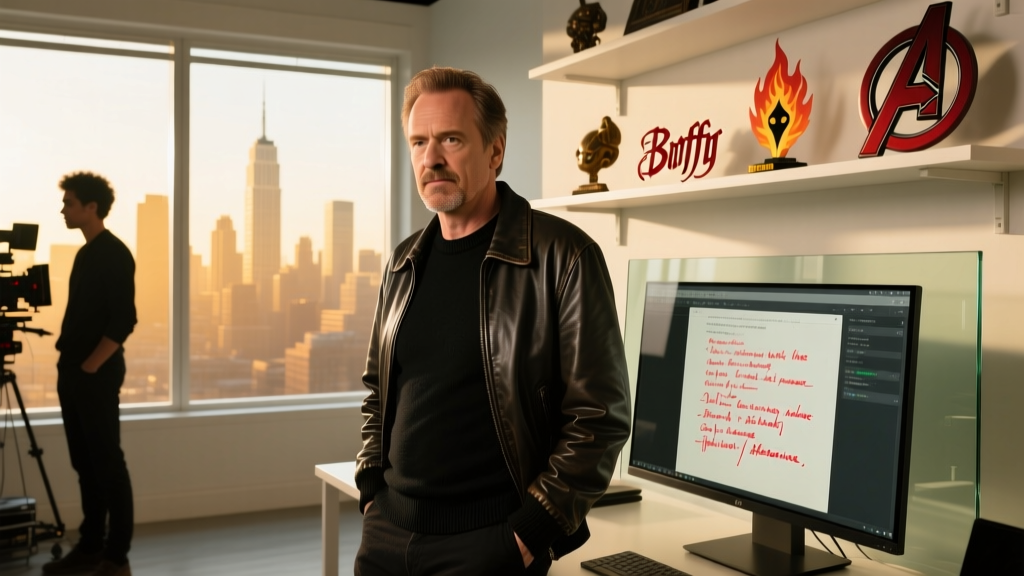
Whedon’s most significant branding triumph was his ability to create 'verses.' The Buffyverse, the Firefly universe, and his foundational work on the Marvel Cinematic Universe (The Avengers, Age of Ultron) demonstrate how a creator can brand themselves as an architect of worlds.
- Buffy the Vampire Slayer (1997-2003): Established his brand signature: subverting tropes, blending horror with high school drama, and writing empowered, complex female leads.
- Firefly (2002): Cemented his 'cult hero' status. The show's cancellation and subsequent fan-driven movie (Serenity) proved the financial and cultural power of his personal brand.
- The Avengers (2012): Transitioned his brand from niche TV auteur to blockbuster powerhouse, proving his dialogue-heavy, character-driven style could scale to global box office dominance.
For digital creators, the lesson here is the power of thematic consistency. Whether you are writing a newsletter, designing a portfolio, or crafting an Instagram bio, having a recognizable 'signature' (in Whedon's case, snappy banter and genre-bending) makes your personal brand instantly identifiable.
Brand Dissonance: When the Persona Contradicts Reality
A comprehensive branding analysis must address brand dissonance. Whedon’s public identity was heavily anchored in his reputation as a feminist ally and a champion of the marginalized. This was the core value proposition of his personal brand. However, starting in 2020, actors from his projects, including Charisma Carpenter (Buffy, Angel) and Ray Fisher (Justice League), came forward with allegations of verbal abuse, gaslighting, and unprofessional conduct on set.
According to extensive reporting by Vulture and The Hollywood Reporter, these accounts painted a picture of a creator whose behind-the-scenes reality sharply contradicted his progressive on-screen branding. This created catastrophic brand dissonance. For modern creators, this serves as a stark warning: your personal brand cannot survive long-term if it is a marketing facade rather than a reflection of your actual values and behavior. The 'authenticity' alternative to PR-crafted personas is no longer just a trend; it is a survival requirement in the digital age.
Personal Branding Takeaways for Digital Creators
What can lovemebio.com readers and aspiring creators learn from the rise, peak, and fracturing of the Joss Whedon brand?
- Define Your Core Signature: Whedon’s early success was built on a highly specific voice. Whether you are writing a Twitter bio or launching a YouTube channel, identify the 2-3 adjectives that define your work and lean into them heavily.
- Beware the Parasocial Trap: Blurring the lines between 'creator' and 'fan-friend' can build a rapid initial following, but it creates unsustainable expectations. Consider the 'professional distance' alternative to maintain healthy boundaries with your audience.
- Align Your Brand with Your Actions: If your bio claims you are an advocate for a specific community or workplace culture, your real-world actions must match. Brand dissonance is easily exposed in today's hyper-connected landscape.
- Know Your Crisis Alternatives: If your brand faces a crisis, decide in advance whether your strategy will be transparent communication or strategic silence. Whedon’s retreat from the public eye shows that sometimes, stepping away from the digital stage is the only way to halt a negative feedback loop.
Ultimately, the Joss Whedon brand is a complex case study in the power of niche world-building and the fragility of parasocial relationships. By studying both his creative triumphs and his branding missteps, you can craft a more resilient, authentic, and compelling digital presence for your own career.