When discussing the most influential cultural icons in Latin American history, the name Juan Gabriel stands entirely in a league of its own. Born Alberto Aguilera Valadez, the legendary Mexican singer-songwriter transcended music to become a masterclass in personal branding, emotional connection, and unapologetic authenticity. Although he tragically passed away in 2016, his digital footprint remains massive. Today, we are conducting a critical review of the Juan Gabriel social media presence and estate management. By examining the pros, cons, and strategic decisions behind his official digital channels, creators and fans alike can learn how a legacy brand maintains its magic—and where it stumbles—in the modern era.
The Legend of Juan Gabriel: Quick Facts & Discography
| Attribute | Details |
|---|---|
| Full Name | Alberto Aguilera Valadez |
| Stage Name | Juan Gabriel |
| Born | January 7, 1950 (Parácuaro, Michoacán, Mexico) |
| Died | August 28, 2016 (Santa Monica, California, USA) |
| Nationality | Mexican |
| Known For | Singer-songwriter, producer, cultural icon, “El Divo de Juárez” |
| Genres | Ranchera, Pop, Ballad, Mariachi, Cumbia |
| Official Instagram | @juangabrielmx |
| Records Sold | Over 100 Million Worldwide |
Defining Discography Highlights
To understand his brand, one must understand his art. Juan Gabriel’s discography is the foundation of his emotional branding. Key albums that defined his career include:
- Querida (1984): A masterclass in emotional vulnerability, cementing his status as the voice of the heartbroken.
- Recuerdos, Vol. II (1984): Featuring the monumental hit “Querida,” this album showcased his ability to blend pop sensibilities with traditional Mexican sentimentality.
- Por Los Siglos (2001): A testament to his longevity and ability to reinvent his classics for new generations.
- Los Dúo, Vol. 1 & 2 (2015-2015): A brilliant late-career branding move, collaborating with contemporary artists across genres to introduce his legacy to younger demographics.
From Orphanage to Icon: The Origin Story as Brand Narrative
Every great personal brand has an origin story that grounds the creator in relatability. For Juan Gabriel, his time spent in an orphanage in Ciudad Juárez became a cornerstone of his public narrative. Rather than hiding his impoverished beginnings, he leaned into them, adopting “Juárez” as a core part of his identity (earning the moniker “El Divo de Juárez”). This narrative of overcoming systemic hardship through sheer talent and flamboyant self-expression resonated deeply with the Mexican working class. For modern personal branding, the lesson is clear: your struggles and origins are not liabilities; they are the authentic bedrock of your brand’s story. A bio that hints at a genuine origin story will always outperform a sterile list of accomplishments.
Juan Gabriel on Social Media: A Critical Review
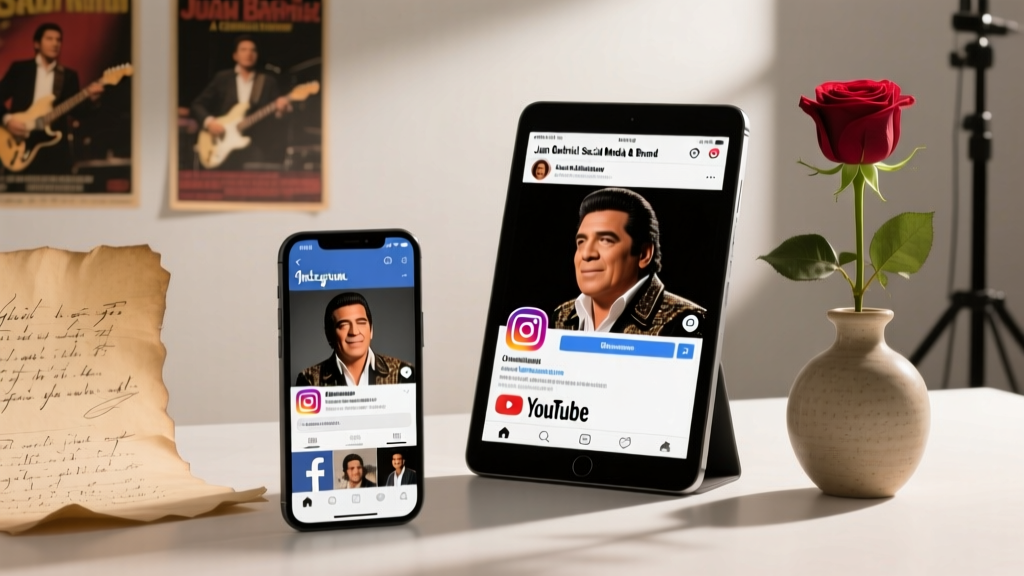
Because Juan Gabriel passed away before the modern era of TikTok and Instagram Reels fully matured, his current social media presence is entirely managed by his estate and family. Analyzing the official @juangabrielmx Instagram account and his verified YouTube channels reveals a complex mix of brilliant legacy management and the inherent limitations of posthumous digital strategy.
The Pros: Archival Brilliance and Visual Consistency
The greatest strength of the Juan Gabriel digital estate is its access to a massive, high-quality archival vault. The social media managers excel at posting rare, behind-the-scenes footage from the 1980s and 1990s, providing immense value to nostalgic fans and music historians. Furthermore, the visual consistency of his brand is maintained flawlessly. Every post reinforces his signature visual identifiers: the perfectly groomed mustache, the flamboyant sequined suits, and the warm, open-armed stage presence. The estate understands that Juan Gabriel’s brand is synonymous with joy and theatricality, and the social media grid reflects this vibrant energy. The engagement on archival video posts is consistently high, proving that authentic, historical content holds immense value in an era of fleeting digital trends.
The Cons: Static Engagement and Commercial Overreach
However, the account suffers from the typical drawbacks of estate-run profiles. The Instagram bio often lacks dynamic, community-driven calls to action, functioning more as a static billboard than a hub for fan interaction. Comments are rarely engaged with by the social media team, creating a one-way broadcast rather than a community. Additionally, there is a recurring tension between honoring his artistic legacy and pushing commercial merchandise or posthumous streaming campaigns. When the feed becomes too saturated with promotional graphics for new vinyl reissues or estate-sanctioned merchandise, the emotional connection that defines the Juan Gabriel brand is temporarily diluted by corporate messaging.
The Coachella Hologram: A Posthumous Branding Misstep
No critical review of the Juan Gabriel digital brand would be complete without addressing the 2019 Coachella hologram controversy. The festival announced that a hologram of Juan Gabriel would perform alongside other digital recreations of deceased artists. The backlash from fans, critics, and fellow Latin artists was swift and severe. Critics argued that reducing a deeply emotional, culturally significant, and fiercely authentic performer to a digital gimmick was disrespectful to his legacy. The estate and festival organizers eventually canceled the appearance. From a branding perspective, this was a massive misstep. It serves as a vital case study for legacy brands: technology should never supersede the core emotional truth of the artist. Fans connect with the soul of the creator, and attempting to artificially replicate that soul through unauthorized or poorly executed tech stunts can cause severe brand damage and alienate the core audience.
Personal Branding Takeaways from the Divo of Juárez
Whether you are crafting your Instagram bio, building a LinkedIn presence, or launching a creative business, the life and brand of Juan Gabriel offer timeless, actionable takeaways:
1. Unapologetic Authenticity Defies Norms
Juan Gabriel rose to fame in a deeply conservative, machismo-driven culture. Instead of conforming to the stoic, hyper-masculine archetype of traditional ranchera singers, he wore makeup, danced with flamboyant theatricality, and sang openly about emotional vulnerability and heartbreak. He didn’t just break the mold; he shattered it. The Takeaway: Your bio and online presence should reflect your true self, even if it defies industry norms. Authenticity creates a magnetism that polished, corporate conformity cannot replicate.
2. The Power of Signature Visual Identifiers
You can recognize Juan Gabriel from a silhouette. The mustache, the smile, the vibrant colors, and the open arms were his visual anchors. The Takeaway: Develop a consistent visual and tonal identity across your social profiles. Whether it’s a specific color palette, a signature emoji in your bio, or a distinct photography style, visual consistency breeds instant brand recognition.
3. Emotional Utility is the Ultimate Hook
Juan Gabriel’s music was not just meant to be listened to; it was meant to be used by his fans to process grief, celebrate love, and navigate life. His brand provided emotional utility. The Takeaway: When writing your social media bio or defining your personal brand, ask yourself: What emotional value do I provide to my audience? Do I inspire, educate, comfort, or entertain? A bio that clearly communicates the emotional or practical value you bring to your followers will always convert better than a simple list of job titles.
Sources & References
- The New York Times (2016). Juan Gabriel, Mexican Pop Singer, Dies at 66. Providing deep context on his cultural impact and origin story. (nytimes.com)
- Billboard (2019). Juan Gabriel Hologram Performance at Coachela Canceled After Backlash. Critical analysis of the estate's digital and posthumous branding missteps. (billboard.com)
- Rolling Stone (2022). The Enduring Legacy of Juan Gabriel and the 'Los Dúo' Phenomenon. Examining how his estate manages posthumous releases and cross-generational branding. (rollingstone.com)