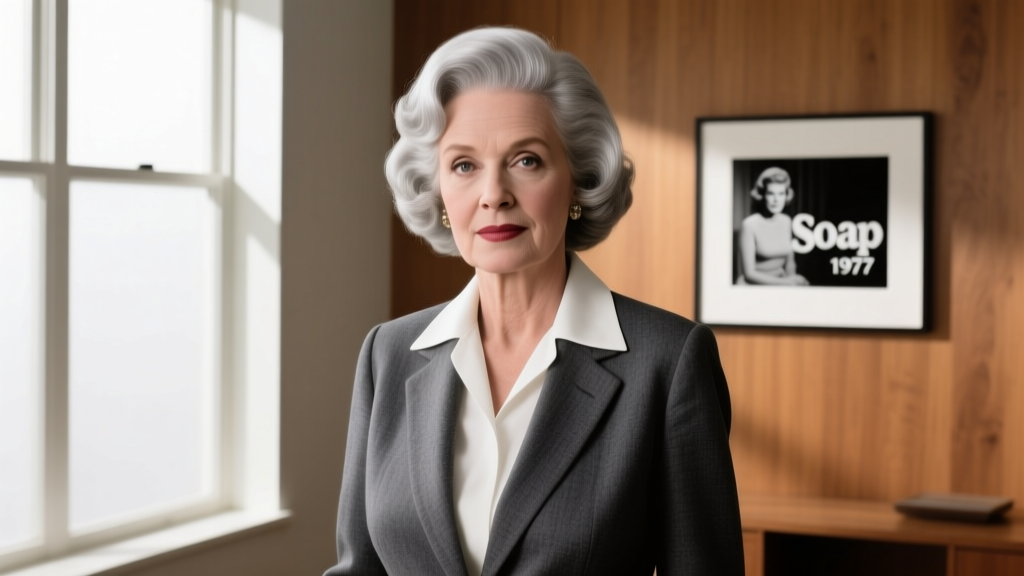
When studying personal branding, most modern guides focus exclusively on current social media influencers. However, true masterclasses in persona building often come from Hollywood veterans who mastered the art of the memorable identity long before the internet existed. Katherine Helmond, the beloved Emmy-nominated actress, is a prime example of this phenomenon. For beginners looking to understand how to craft a distinct, unforgettable identity—whether for an Instagram bio, a LinkedIn profile, or a creative portfolio—Helmond’s career offers a brilliant blueprint in consistency, comedic timing, and authentic character work. Though she is no longer with us, her digital legacy remains a fascinating case study in how iconic roles translate into enduring online fandoms. Let us explore the Katherine Helmond brand and what beginners can learn from her legendary career.
Quick Facts: The Life of Katherine Helmond
Before diving into her branding strategy, it is essential to understand the foundation of her career. Here is a quick snapshot of the actress who defined television comedy for decades.
| Attribute | Details |
|---|---|
| Full Name | Catherine Patricia Helmond |
| Born | July 5, 1929 (Galveston, Texas) |
| Passed Away | February 23, 2019 |
| Nationality | American |
| Known For | Soap, Who's the Boss?, Everybody Loves Raymond |
| Social Media Handles | Legacy/Fan-managed (No official personal accounts due to passing in 2019) |
A Masterclass in Persona: Key Television Roles
To understand how to build a strong personal brand, you must first understand the power of a defined archetype. Katherine Helmond did not just play characters; she created distinct, branded personas that audiences instantly recognized and loved. For a beginner trying to figure out 'who' they are online, looking at Helmond's television filmography is incredibly instructive.
Jessica Tate on Soap (1977–1981)
Helmond’s breakout role as Jessica Tate on the groundbreaking spoof opera Soap introduced America to her unique comedic timing. Jessica was the quintessential 'ditzy but lovable matriarch.' Helmond played her with a wide-eyed innocence that made the character's absurd situations hilarious rather than grating. Branding Lesson: Helmond leaned entirely into the specific quirks of the character. She did not try to make Jessica 'cool'; she made her authentic to her own bizarre reality. When writing your own bio, do not try to be everything to everyone. Lean into your specific, authentic quirks.
Mona Robinson on Who's the Boss? (1984–1992)
If Jessica Tate was innocent, Mona Robinson was unapologetically bold. As the progressive, witty, and man-eating grandmother on Who's the Boss?, Helmond shattered the stereotype of the traditional, conservative TV grandma. Mona wore flashy jewelry, dated younger men, and delivered razor-sharp one-liners. She was the undisputed scene-stealer of the show. Branding Lesson: Disruption is memorable. Mona stood out because she subverted expectations. In personal branding, finding a way to subvert the standard expectations of your industry or niche makes your profile instantly memorable.
Lois Whelan on Everybody Loves Raymond (2003–2004)
Later in her career, Helmond guest-starred as Lois Whelan, the passive-aggressive, wealthy mother-in-law to Doris Roberts' Marie Barone. The chemistry was explosive, earning Helmond an Emmy nomination. Branding Lesson: You do not always need to be the main character to dominate the space. Helmond proved that a strong, well-defined supporting brand can generate just as much engagement and respect as the lead.
The Digital Footprint: Katherine Helmond's Social Media Presence
When analyzing the social media presence of legacy actors, we must address the reality of their digital footprint. Katherine Helmond passed away in February 2019, prior to the era where every Hollywood veteran managed a verified TikTok or Instagram account. Therefore, analyzing her 'social media presence' requires looking at legacy digital branding—how an individual's brand survives and thrives online after they are gone.
Today, Katherine Helmond’s online presence is not defined by curated selfies or sponsored posts. Instead, her brand is maintained by the cultural footprint of her characters. If you search for her on platforms like X (formerly Twitter), Reddit, or Instagram, you will find:
- GIF and Meme Culture: Mona Robinson’s reaction faces and sassy one-liners are frequently used as reaction GIFs across social platforms. This is the ultimate form of organic digital branding; her likeness is used daily by millions to communicate emotions online.
- Fan-Curated Archives: Dedicated fan pages and retro-television accounts keep her memory alive by posting high-quality clips from Soap and Who's the Boss?. These accounts act as digital estate managers, proving that a strong core product (her acting) generates user-generated content (UGC) for decades.
- Streaming Algorithm Longevity: Because her shows remain staples on streaming platforms, new generations continually discover her work, generating fresh search traffic and wiki-updates.
For beginners, this highlights a crucial truth about digital branding: Trends fade, but foundational quality endures. If you build a personal brand based on genuine value, humor, or expertise, your digital footprint will sustain itself through shares, bookmarks, and community advocacy, rather than relying solely on daily algorithmic feeding.
Personal Branding Takeaways for Your Own Bio
How can a beginner apply the legacy of a Hollywood veteran to their own Instagram bio or professional branding? Here are the core takeaways from the Katherine Helmond playbook that you can implement today.
1. Define Your 'Mona' (Own Your Archetype)
Mona Robinson was unapologetic. She knew who she was, what she liked, and she never diluted her personality to make others comfortable. When crafting your Instagram or LinkedIn bio, strip away the corporate jargon and generic adjectives. Are you the 'data-driven strategist'? The 'chaotic but brilliant creative'? Define your archetype in one sentence and let it guide your content. A bio that reads 'Coffee enthusiast | Dog mom | Marketing Guru' is the equivalent of a poorly written TV extra. Be the scene-stealer. Try: 'Scaling SaaS brands with zero budget and high caffeine.'
2. The Power of the Scene-Stealer (Niche Authority)
Helmond rarely played the traditional 'lead' in her most famous sitcoms, yet she was often the most talked-about star on the show. In the digital space, you do not need to be the biggest voice in a massive industry to win. You can be the ultimate authority in a micro-niche. Use your bio to highlight your specific, narrow expertise. Instead of claiming to be a 'Global Fitness Coach,' brand yourself as the 'Post-Partum Strength Specialist for Working Moms.' Own your specific stage.
3. Consistency Builds Trust (and Fandoms)
Whether she was playing a naive socialite or a cynical mother-in-law, Helmond’s commitment to the internal logic of her characters was absolute. She never broke character for a cheap laugh. On social media, consistency in your visual aesthetic, your tone of voice, and the value you provide builds deep trust with your audience. If your bio promises 'daily financial tips for freelancers,' your grid and stories must deliver exactly that, every single time.
4. Leave Room for the Audience to Engage
Helmond’s comedic timing relied heavily on the pause—the space she left for the audience to laugh or the other actors to react. A great personal brand does not talk at the audience; it invites them in. Use your bio’s Call to Action (CTA) to start a conversation. Instead of a static link, use a CTA like: 'Tell me your biggest SEO struggle below 👇' or 'Vote on this week's design challenge in my Stories.'
Sources and Further Reading
To learn more about the incredible life and career of Katherine Helmond, refer to these authoritative sources:
- The New York Times: Katherine Helmond, Star of 'Soap' and 'Who's the Boss?,' Dies at 89 - A comprehensive look at her stage and screen career.
- The Hollywood Reporter: Katherine Helmond, 'Who's the Boss?' and 'Soap' Actress, Dies at 89 - Insights into her Emmy-nominated performances and industry impact.
- IMDb: Katherine Helmond - Full Filmography and Biography - The complete database of her extensive television and film credits.
By studying the legends of the past, we can build digital identities that are not just trendy for a season, but memorable for a lifetime. Katherine Helmond proved that authenticity, bold choices, and impeccable timing never go out of style.